
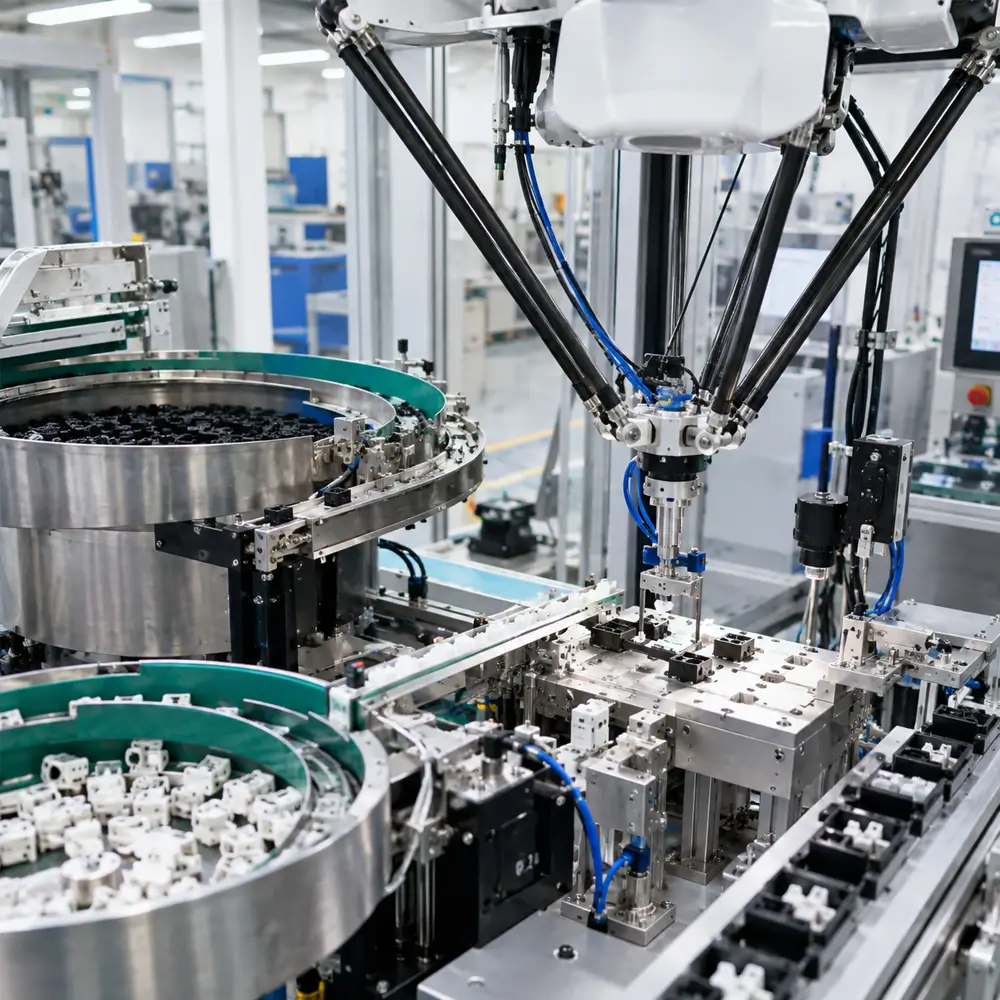
Small parts manufacturing often requires accurate feeding, stable positioning, fast handling, and repeatable assembly. Manual handling can become difficult when production volume increases. Small components may also require different feeding and assembly methods. A robotic assembly solution can combine part feeding, pick and place, assembly, inspection, and product transfer in one production system. The right solution depends on the product structure, assembly process, production target, and required accuracy. Check the Size and Shape of Your Parts Part size and shape are important when choosing robotic assembly equipment. Small parts may include connectors, springs, clips, washers, terminals, screws, electronic components, and plastic parts. Different shapes require different feeding and handling methods. […]
タグアーカイブ: Small Parts Assembly
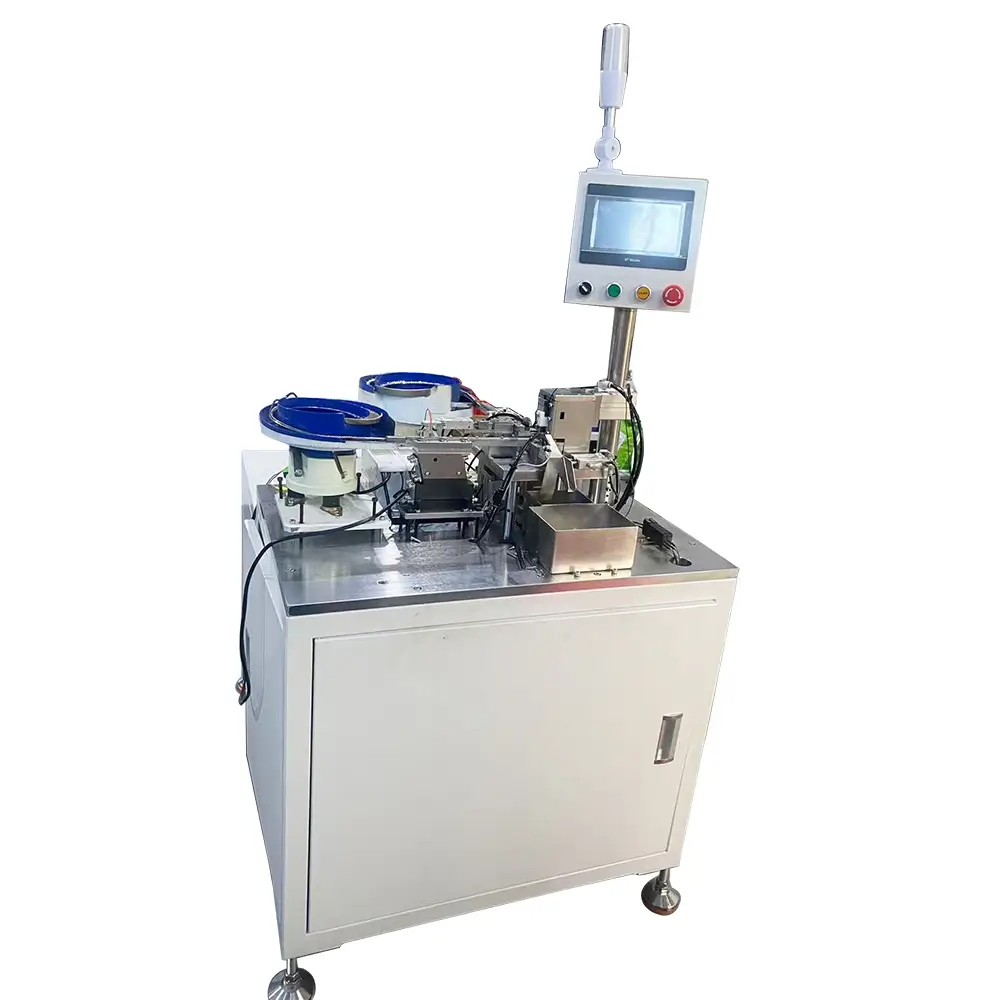
Small parts assembly machines help manufacturers automate repetitive assembly tasks. These machines can handle feeding, positioning, assembly, inspection, and other production steps. Machine prices vary because each production project has different requirements. Part size, assembly steps, production speed, feeding systems, and inspection functions can all affect the final cost. For this reason, suppliers usually quote small parts assembly machines based on the actual product and production requirements. Small Parts Assembly Machine Cost Overview Small parts assembly machines can range from simple semi-automatic equipment to fully automatic custom systems. Semi-automatic machines usually suit simple assembly tasks. Fully automatic machines suit high-volume production with several assembly steps. Small Parts Assembly Machine Cost […]
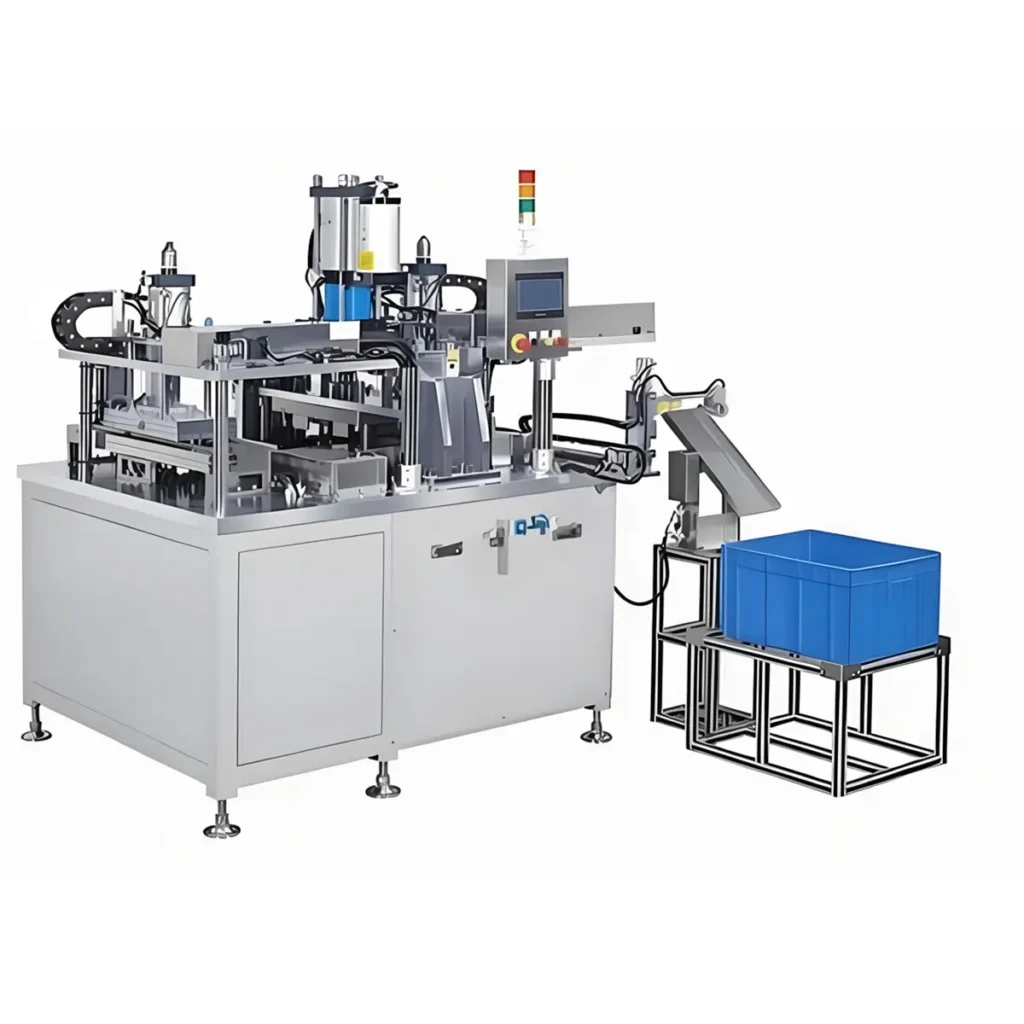
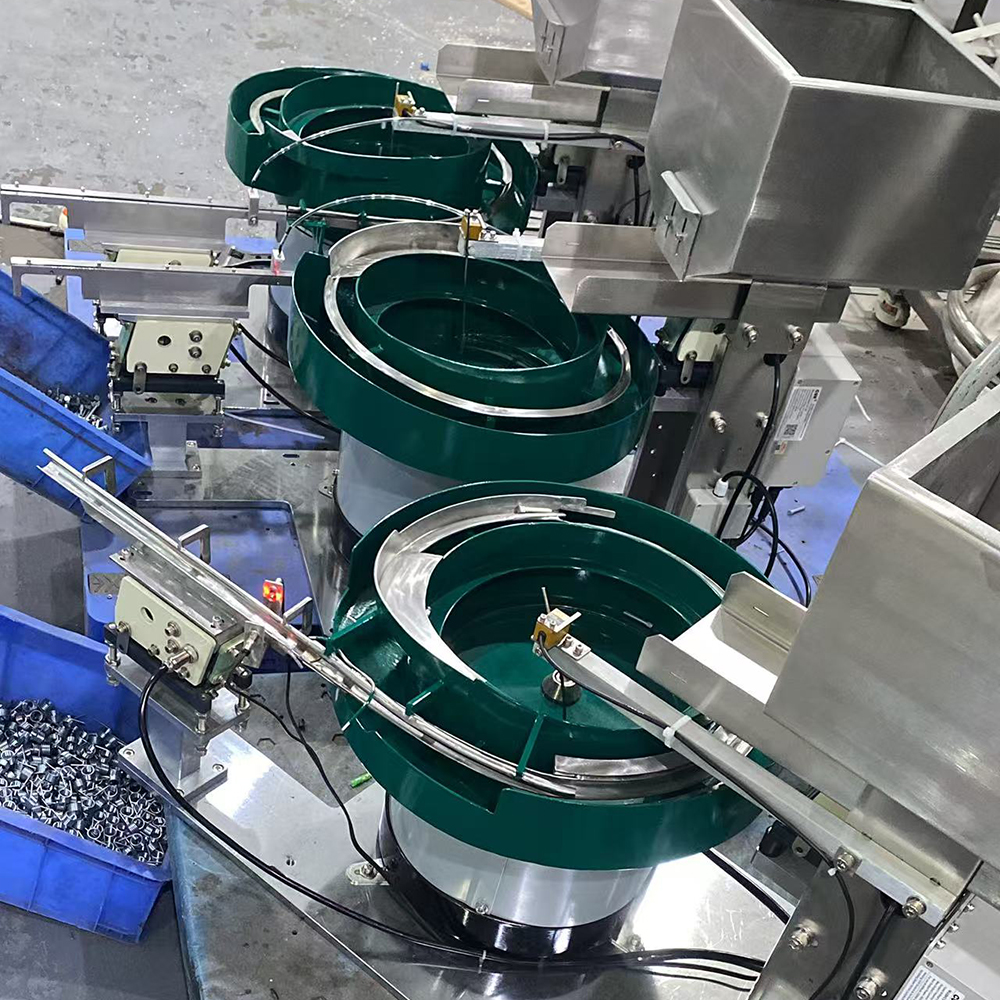
Small parts assembly needs precision and speed. Therefore, many factories use vibratory bowl feeders. These systems sort and orient components automatically. However, selecting the right feeder can be challenging. Many factors influence performance. This guide explains how to choose the right vibratory bowl feeder. In addition, it highlights how Swoer solutions support modern automation. Understand Your Part Characteristics First, analyze the parts you need to feed. Size, weight, and shape all matter. For example, metal screws behave differently from plastic caps. In addition, fragile parts require smoother handling. Consider these factors: Part dimensions Material type Surface condition Fragility As a result, understanding part characteristics prevents feeding problems. In many projects, […]
 Japanese
  English
  Spanish (Mexico)
  Czech
Czech  Arabic
  Russian
  German
  French
  Turkish
  Italian
  Ukrainian
  Polish
  Romanian
  Bengali
  Portuguese (Portugal)
  Thai
Thai  Korean
  Hebrew
  Uzbek
Uzbek  Hindi
Hindi  Slovak
  Vietnamese
  Portuguese (Brazil)
  Spanish (Peru)
  Spanish (Spain)
  Spanish (Venezuela)