
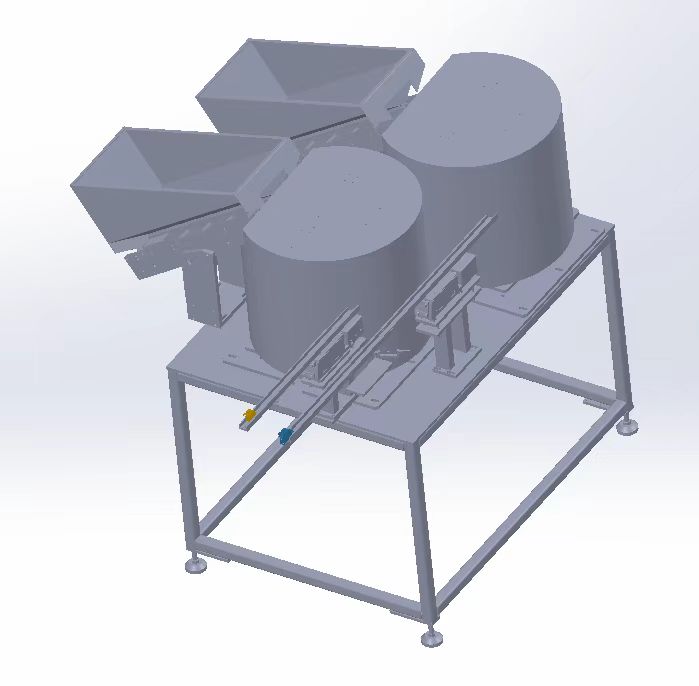
The short answer is: It depends. While a vibratory bowl feeder is typically designed and tooled for a specific part, there are scenarios where one bowl can handle multiple products — but with important limitations. I. General Rule Situation Possibility Difficulty Multiple products with very similar geometry (e.g., screws of same head style but different lengths) ✅ Possible Low to Moderate Multiple products with different shapes (e.g., screws vs. nuts vs. washers) ❌ Generally not possible High Different sizes of the same family (e.g., M3, M4, M5 screws of same type) ✅ Possible with adjustable tooling Moderate Different materials but identical geometry (e.g., steel vs. plastic screw) ⚠️ Maybe; may need different coating or amplitude Moderate […]
カテゴリーアーカイブ: Vibratory Bowl Feeder
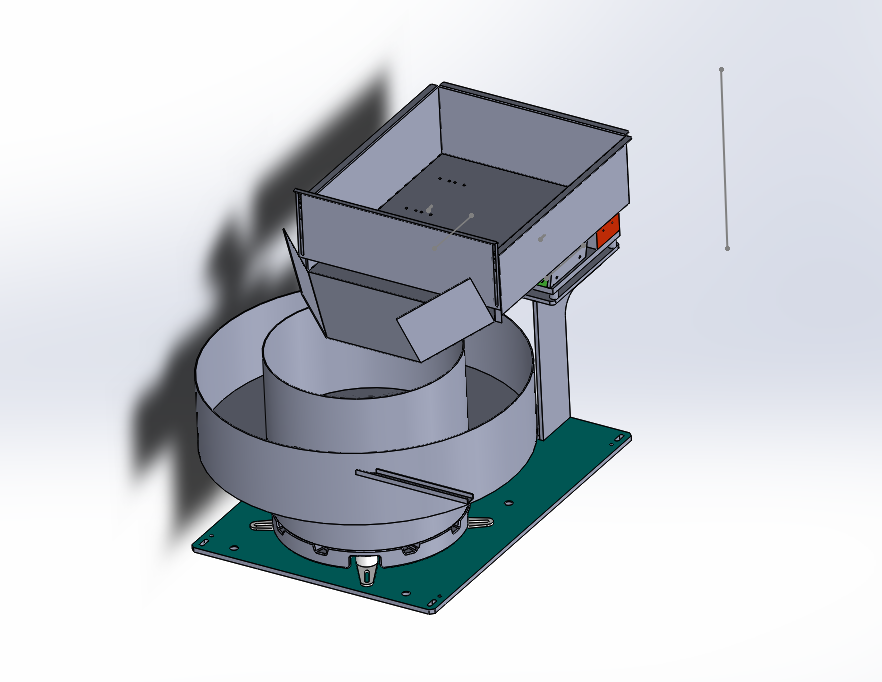
The main difference between an elevator (also called a vertical conveyor or bucket elevator) and a standard hopper lies in their function and operating principle. Below is a detailed comparison. I. Core Functional Difference Feature Elevator Standard Hopper Primary function Actively lifts material from a lower level to a higher level Passively stores material and relies on gravity for discharge Material movement Forced upward movement (mechanical or pneumatic) Downward flow by gravity only Power requirement Requires motor or pneumatic power No power required II. Detailed Comparison Aspect Elevator Standard Hopper Operating principle Uses buckets, belts, chains, or screws to lift material Material flows out through an opening at the bottom due to gravity Inlet […]
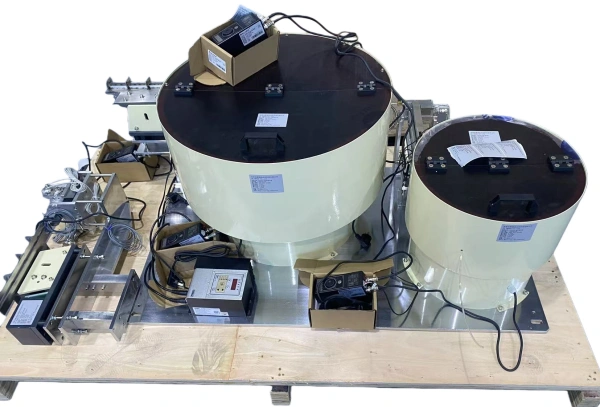
The stability of a vibratory bowl versus a centrifugal feeder depends heavily on the part characteristics and application requirements. Below is a comparative analysis: I. General Comparison of Stability Factor Vibratory Bowl Centrifugal Feeder Part Flow Pulsating / intermittent vibration Continuous rotary motion Sensitivity to Part Variations High (jams with irregular shapes) Moderate (better at handling some variation) Speed Fluctuation Can vary with voltage, load, wear Very steady once set Noise Stability Noise level can vary Generally consistent Orientation Consistency Very high with proper tooling Good, but tooling is simpler II. When Vibratory Bowl Offers Better Stability Highly uniform, symmetrical parts (standard screws, washers, electronic components). Applications requiring precise, complex orientation (e.g., […]
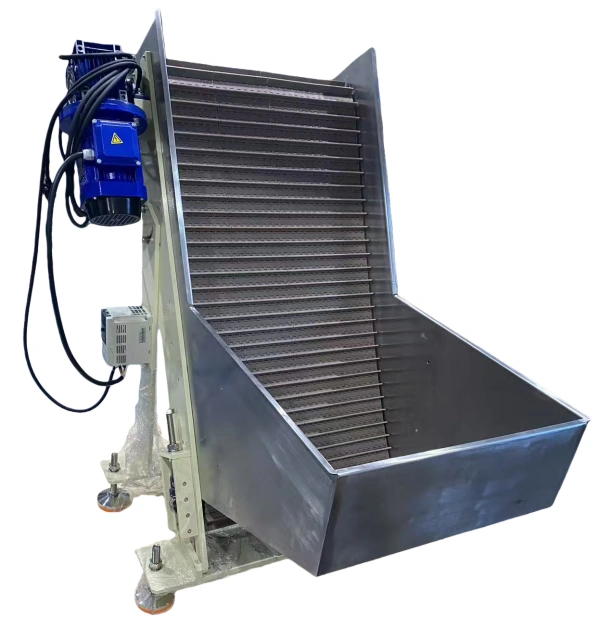
While both elevators and standard hoppers are used for material storage and supply, they serve different functions and have distinct characteristics. Below is a detailed comparison. I. Core Functional Difference Aspect Elevator / Lifter Standard Hopper Primary Function Activates and conveys material upward from a lower level to a higher level Passively stores material and relies on gravity for discharge Material Movement Actively lifts and transports material Material flows by gravity only II. Detailed Comparison 1. Operating Principle Feature Elevator / Lifter Standard Hopper Principle Uses mechanical means (buckets, screws, or vibrations) to lift material Material flows downward through an opening by gravity alone Energy Source Requires motor or pneumatic power No […]
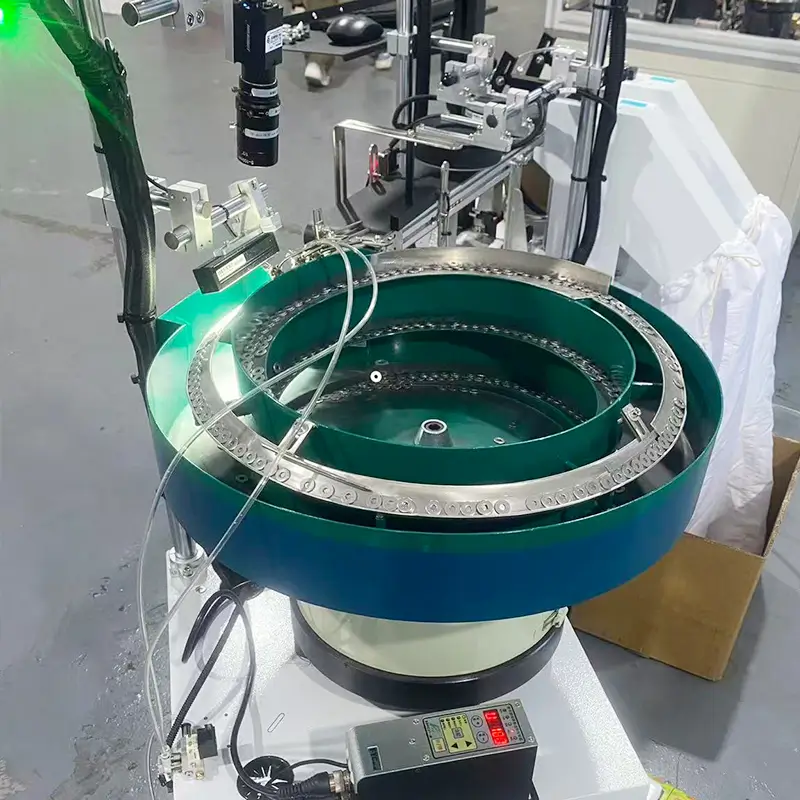
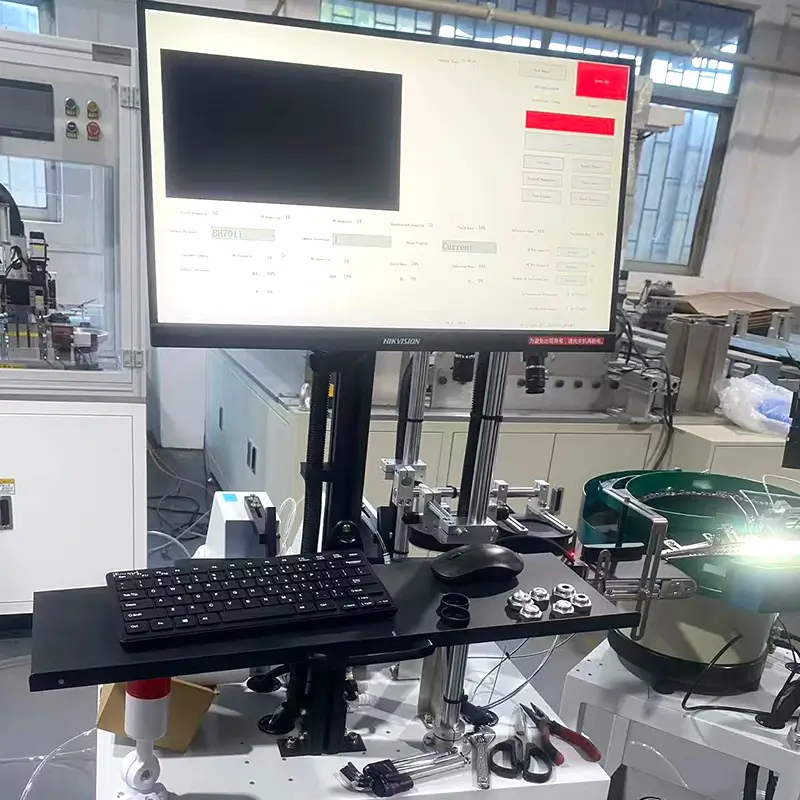
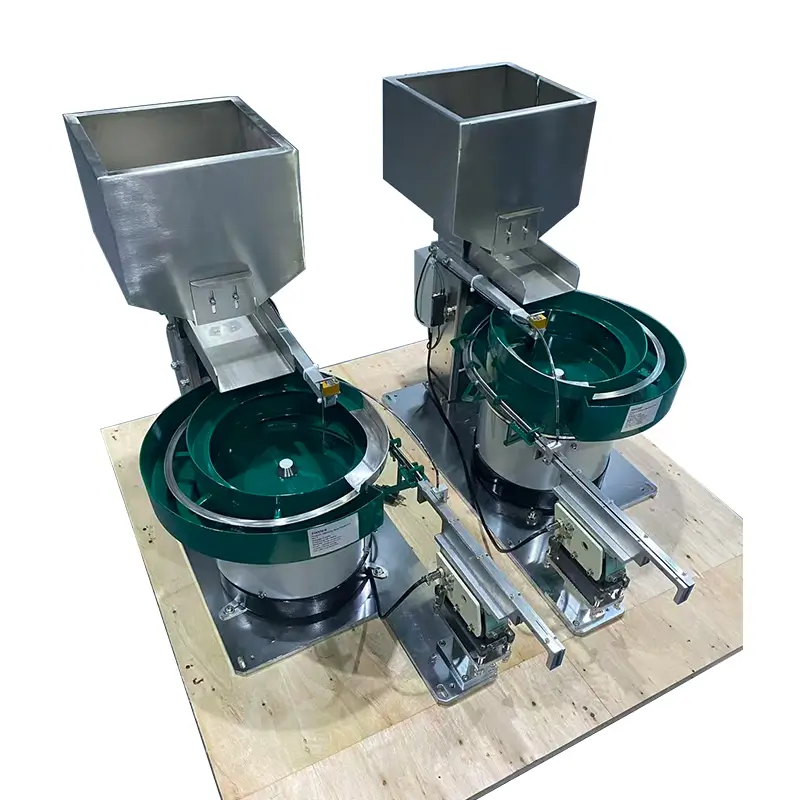
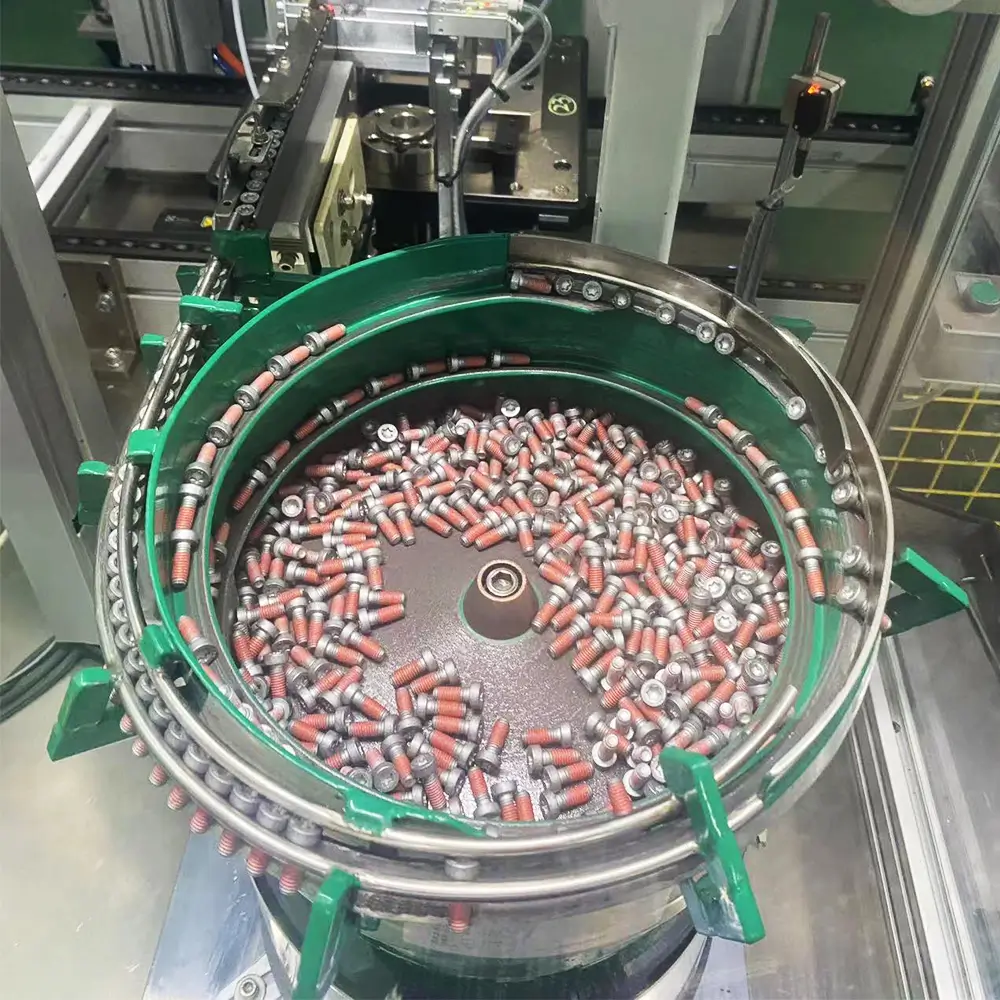
The term “machine base” can refer to different components depending on the equipment. Below are the advantages for two common applications: vibratory bowl feeder bases (drive units) and machine tool bases (support foundations). I. Advantages of a Vibratory Bowl Base (Drive Unit) The base of a vibratory bowl feeder is the core drive unit that generates vibration. Its key advantages include: 1. High-Efficiency Power Output Side-Pull Design: Utilizes a horizontal pulling action from the leaf springs, enhancing traction efficiency. This allows for greater driving force even with a smaller electromagnet. Dual-Spring Structure: Larger models feature dual leaf springs combined with reinforced vibration-damping rubber, significantly improving load response characteristics and adapting flexibly to varying […]
 Japanese
  English
  Spanish (Mexico)
  Czech
Czech  Arabic
  Russian
  German
  French
  Turkish
  Italian
  Ukrainian
  Polish
  Romanian
  Bengali
  Portuguese (Portugal)
  Thai
Thai  Korean
  Hebrew
  Uzbek
Uzbek  Hindi
Hindi  Slovak
  Vietnamese
  Portuguese (Brazil)
  Spanish (Peru)
  Spanish (Spain)
  Spanish (Venezuela)