
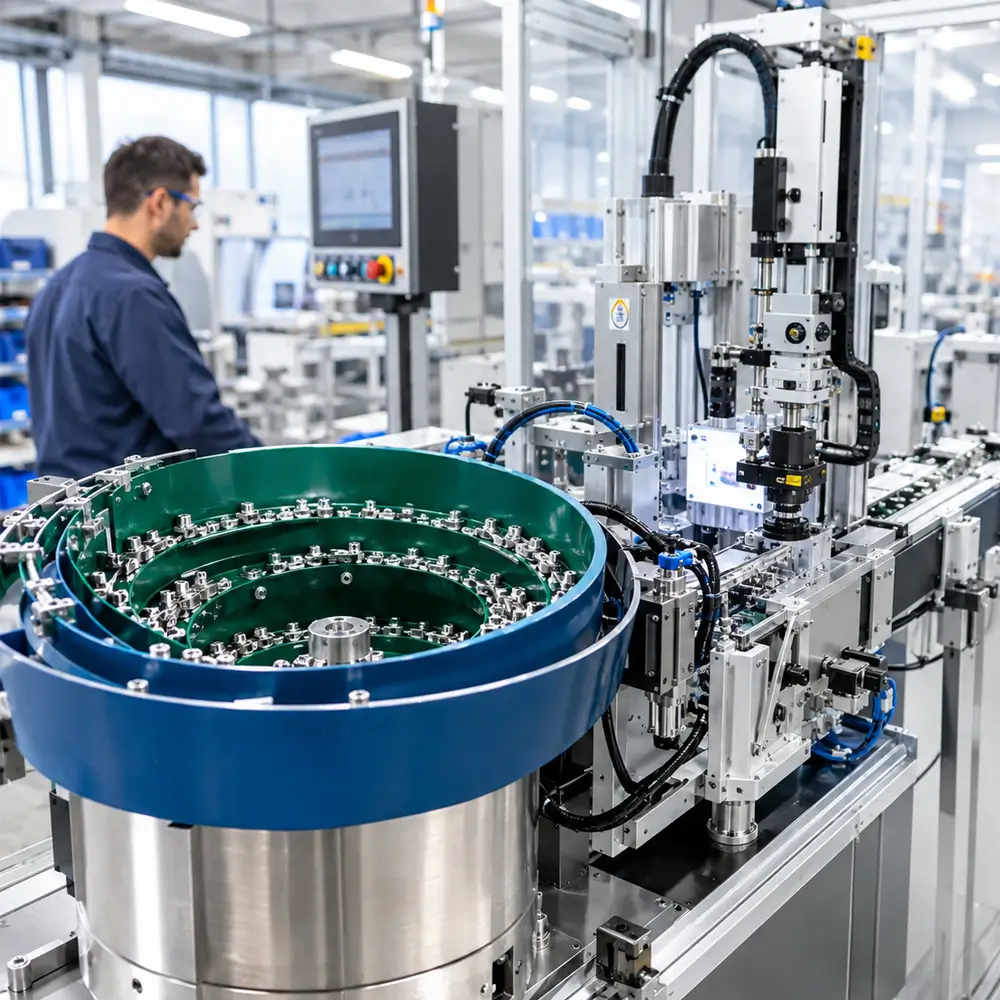
Finding the right company for custom assembly machine design can be difficult. French manufacturers have many options, from local machine builders to international automation suppliers. Custom assembly machine projects often require more than mechanical design. Feeding, assembly, inspection, robotics, controls, and production-line integration may all need to work together. French companies such as SEMSO, AUREA, CAIRE, SEMO, and other industrial automation specialists provide custom machinery and assembly solutions for different industries. SWOER also provides custom assembly machines for manufacturers that need integrated feeding, assembly, inspection, and automation. Where to Find Custom Assembly Machine Companies in France France has a strong industrial automation market. Many machine builders focus on special-purpose machines, […]
タグアーカイブ: industrial automation
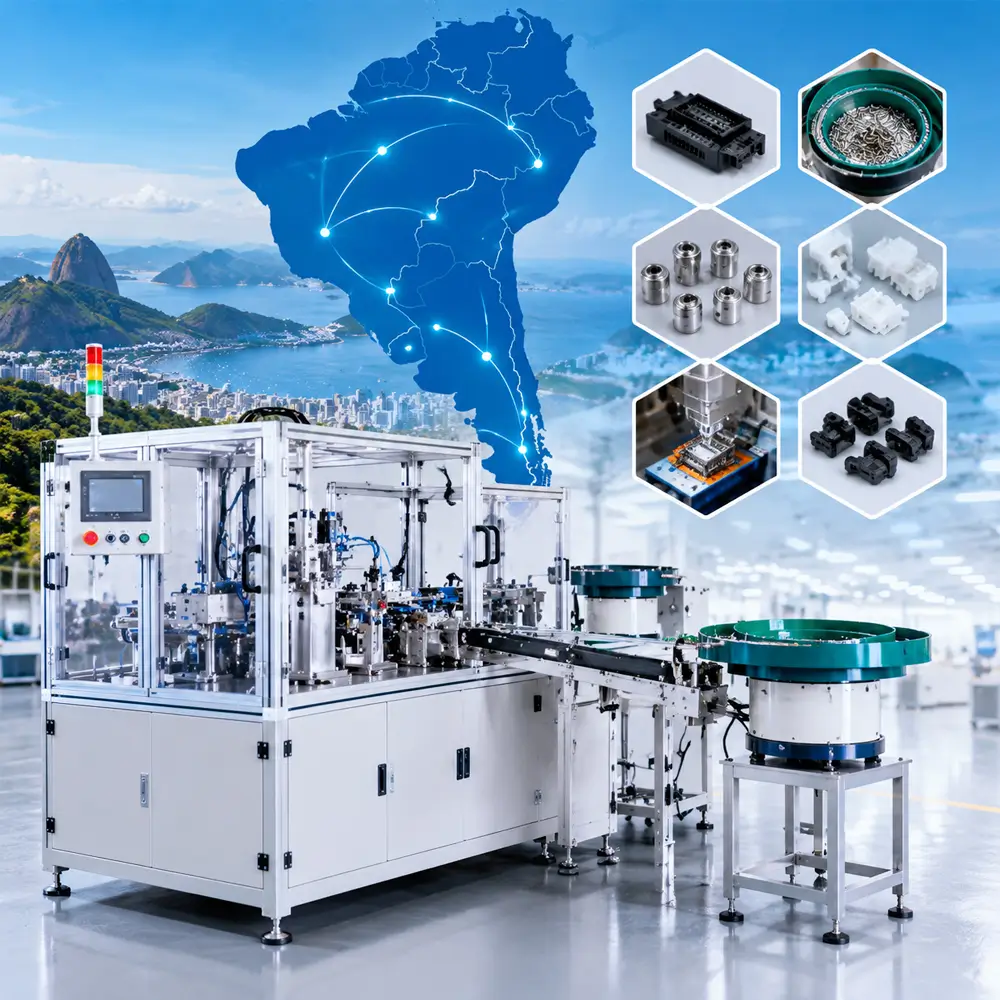
Introduction Manufacturers in South America are increasing their demand for automated production systems to improve efficiency, reduce labor costs, and achieve stable product quality. Finding the right custom assembly solutions supplier in South America helps companies build production lines that match their product design, assembly process, and output requirements. SWOER provides customized automation solutions, including automatic assembly machines, vibratory bowl feeders, flex feeders, vision inspection systems, and complete assembly lines for different industries. Why Choose Custom Assembly Solutions for Manufacturing? Standard machines may not meet every product requirement. Different parts often need special feeding methods, assembly processes, and inspection functions. Custom assembly solutions allow manufacturers to design equipment based on: […]
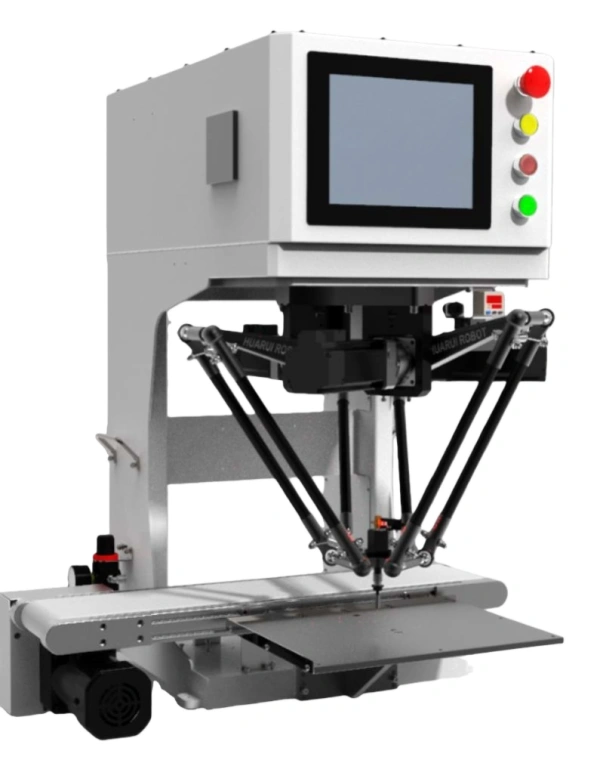
Parallel robots (also known as delta robots or spider robots) differ from conventional serial robots (such as articulated 6‑axis or SCARA robots) in several fundamental ways. The table below summarizes the key differences. I. Structural Differences Feature Parallel Robot Conventional Serial Robot Basic structure Multiple closed‑loop kinematic chains; all actuators work simultaneously to move a single platform Open kinematic chain; actuators work in sequence from base to end‑effector Arm arrangement Several arms (typically 3 or 4) connect the base platform directly to the moving platform One main arm with links connected end‑to‑end (like a human arm) Motor position All motors are fixed on the base frame Motors are distributed along […]
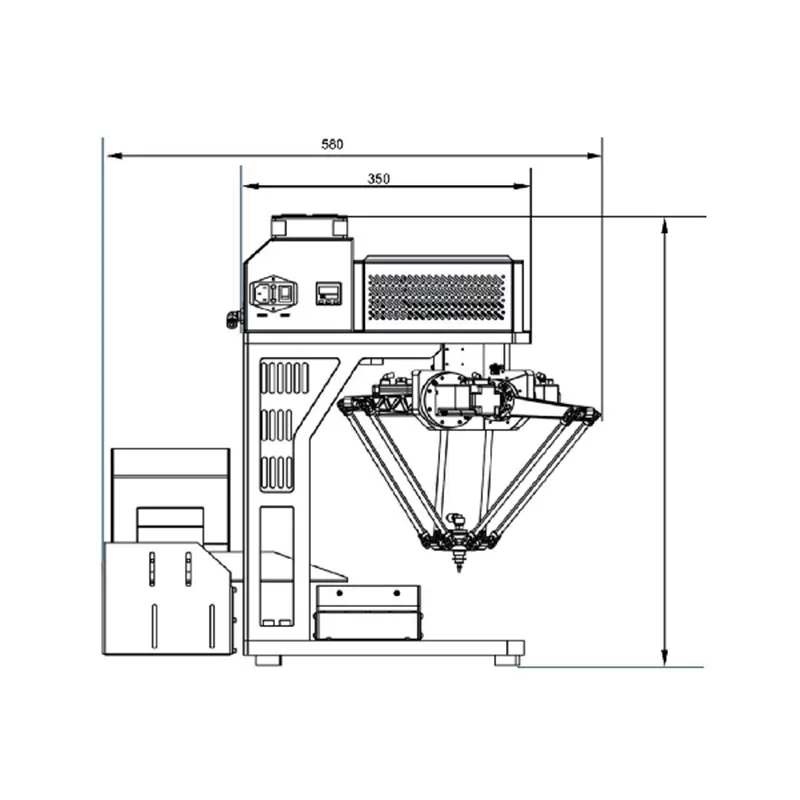
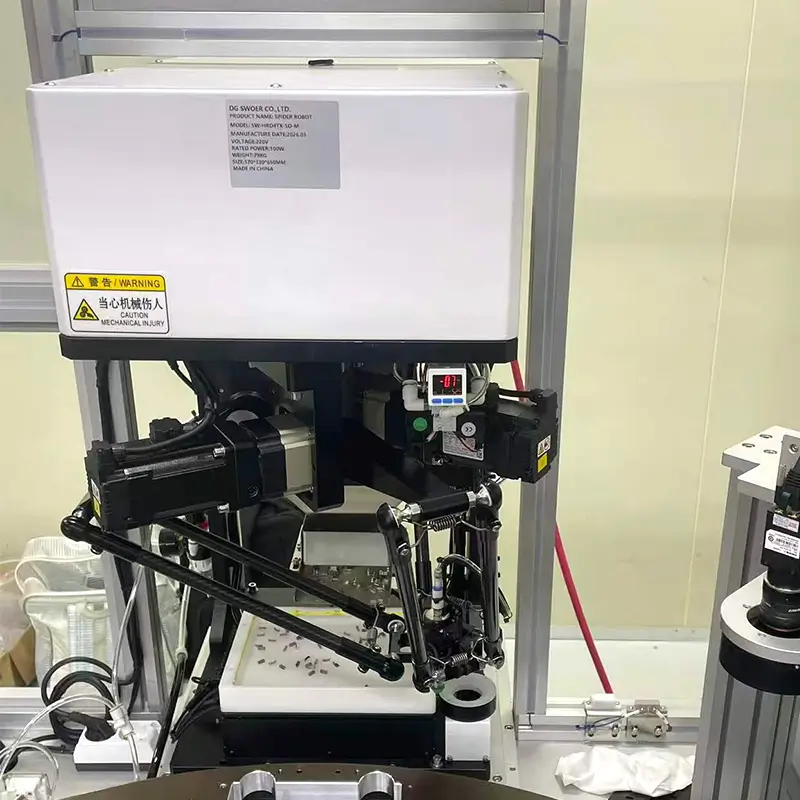
A delta robot is widely used in automation lines. It offers high speed and stable performance. In this guide, you will learn how to design a delta robot system. We will also explain the key components using a real setup. What Is a Delta Robot A delta robot uses a parallel arm structure. Three arms connect the base and the end tool. Because of this design, the robot moves fast and smoothly. It is often used in the food, packaging, and electronics industries. Main Components of a Delta Robot System A complete system includes more than the robot. It also needs feeding and control units. Hopper First, the hopper stores […]
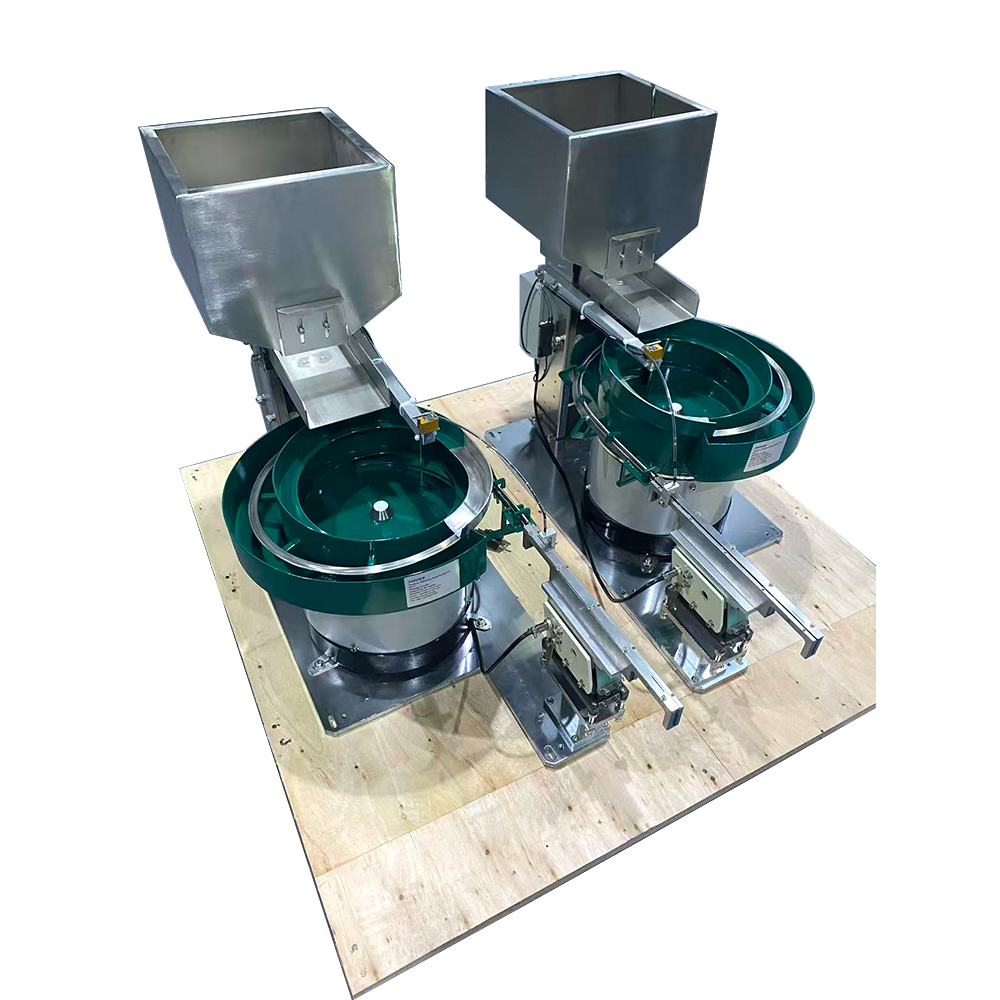
Main Uses of a Vibratory Bowl Feeder Part Orientation Many production lines need correctly positioned parts. For example, screws must face the same direction. Therefore, the feeder sorts and aligns them. Consequently, machines work faster and more accurately. Automated Feeding Factories must supply parts continuously. However, manual feeding slows production. Thus, vibratory feeders deliver parts automatically. As a result, workers can focus on other tasks. High-Speed Assembly Assembly lines often run at high speed. Therefore, parts must arrive quickly and consistently. Vibratory feeders maintain a steady flow. Consequently, production efficiency increases. Handling Small Components Many industries handle tiny components. For instance, electronics factories use micro parts. Similarly, medical device factories […]
 Japanese
  English
  Spanish (Mexico)
  Czech
Czech  Arabic
  Russian
  German
  French
  Turkish
  Italian
  Ukrainian
  Polish
  Romanian
  Bengali
  Portuguese (Portugal)
  Thai
Thai  Korean
  Hebrew
  Uzbek
Uzbek  Hindi
Hindi  Slovak
  Vietnamese
  Portuguese (Brazil)
  Spanish (Peru)
  Spanish (Spain)
  Spanish (Venezuela)