
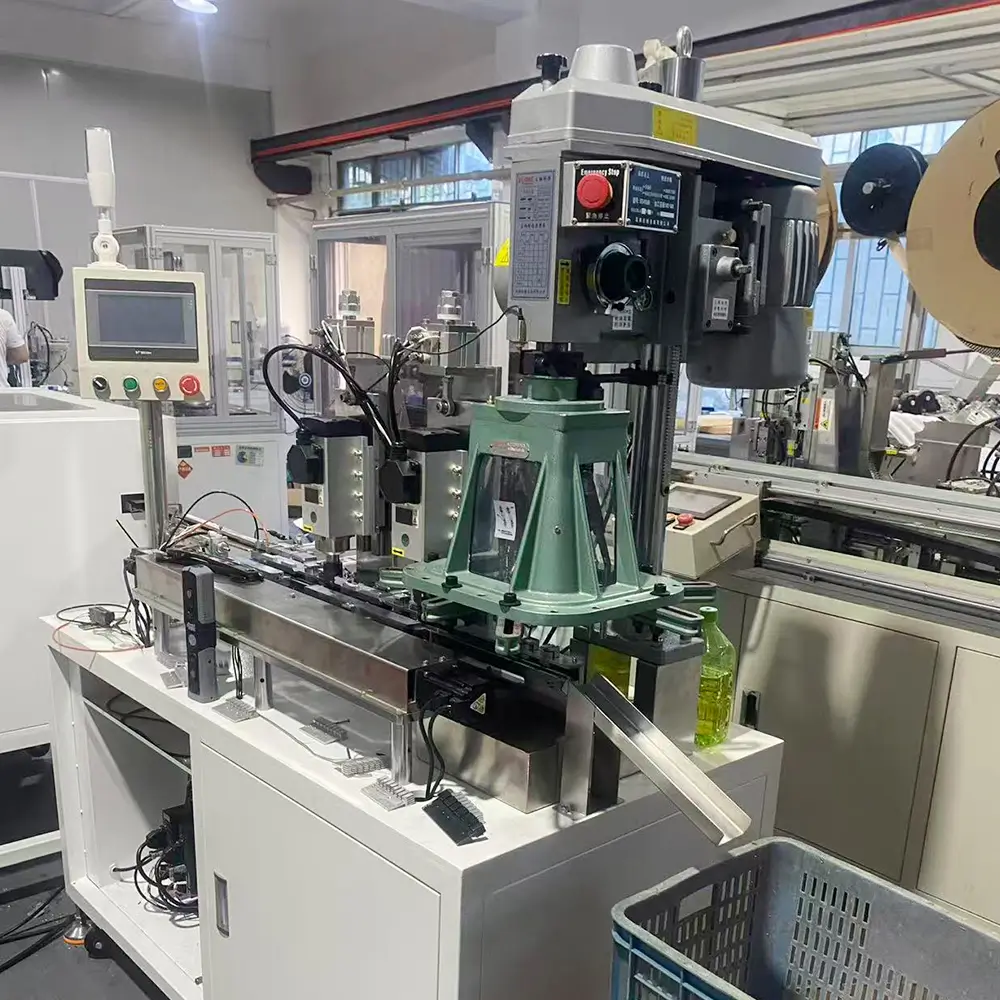
Introduction Manufacturing companies continue to seek better ways to improve output, reduce production costs, and maintain stable product quality. Automated assembly machines provide an effective solution by combining precise motion control, automatic feeding, and intelligent assembly processes. SWOER designs customized assembly machines for different industries, helping factories handle complex assembly tasks with higher speed and accuracy. Reduce Manual Work and Increase Production Capacity Manual assembly requires large labor input and often faces challenges such as inconsistent operation and limited working speed. Automated assembly machines complete repetitive tasks with stable performance. Factories can use automation systems for feeding, positioning, assembling, testing, and packaging processes. This approach helps manufacturers increase daily output […]
カテゴリーアーカイブ: Assembly Machine
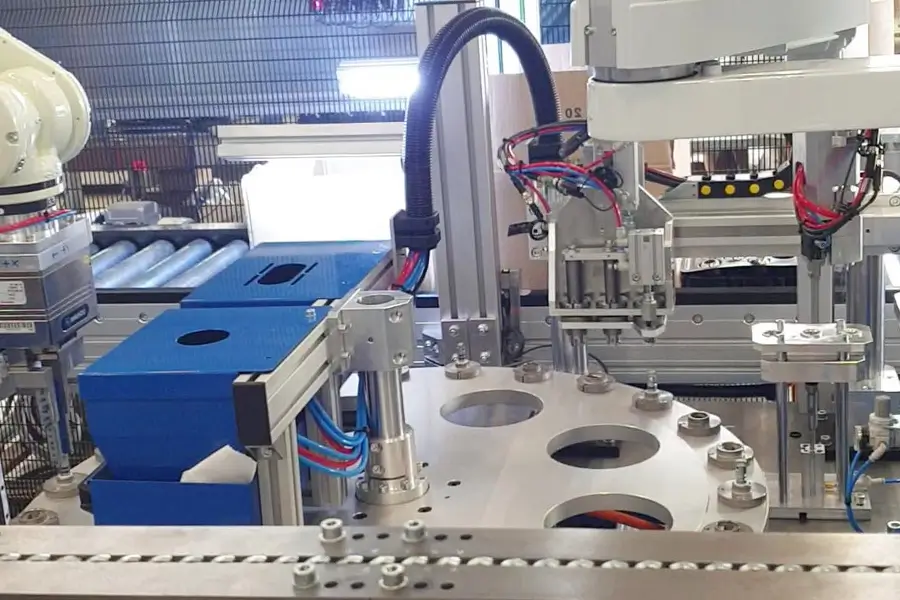
Where Can You Find Assembly Machine Suppliers in the US? Companies can find assembly machine suppliers through several channels. Each option fits different production needs, budgets, and project sizes. Supplier Type Best For Main Advantage US Machine Manufacturers Local production projects Local communication and service Automation Companies Complex automation projects Complete automation solutions Industrial Equipment Distributors Standard equipment Easy product sourcing Overseas Manufacturers Custom machines and large projects Competitive pricing Online B2B Platforms Initial supplier research Many suppliers in one place Companies should compare technical capability, customization, service, lead time, and total project cost before making a decision. What Types of Assembly Machines Do US Buyers Need? Production requirements determine […]
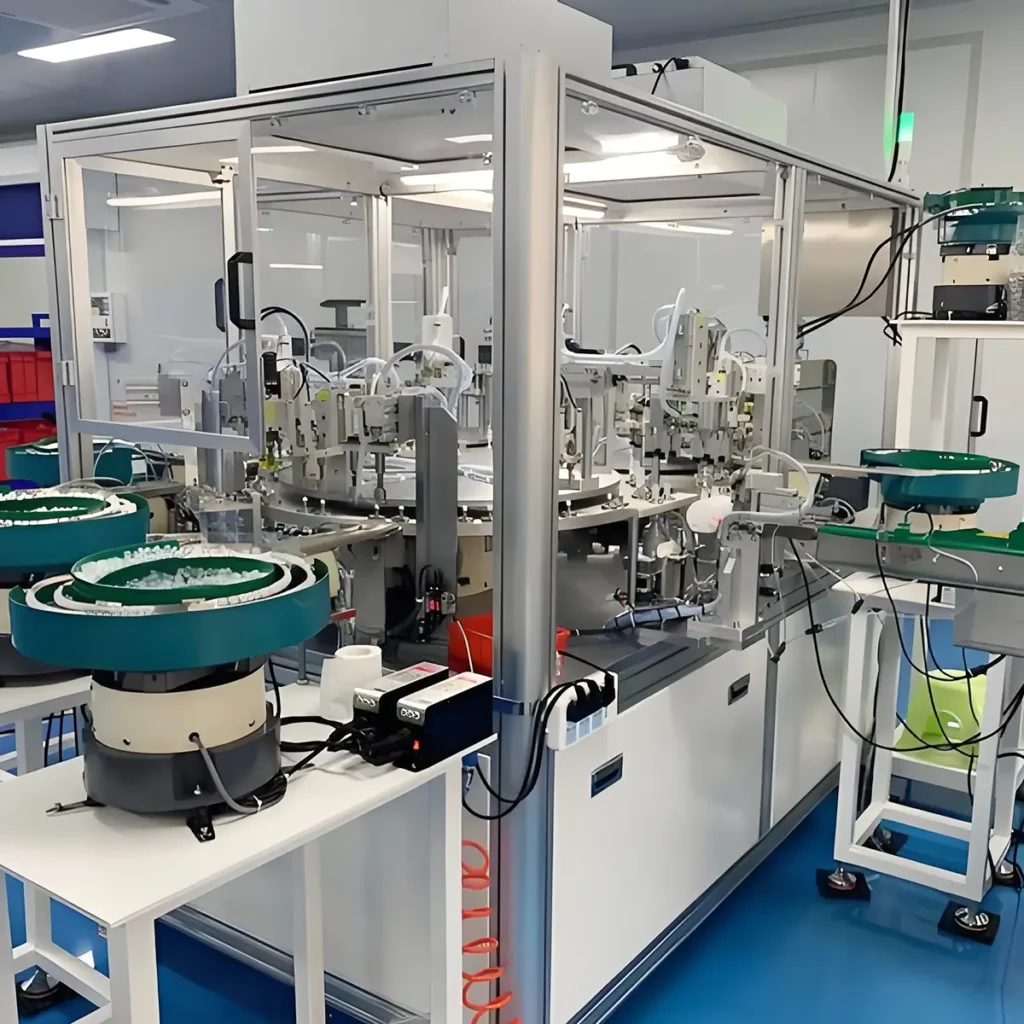
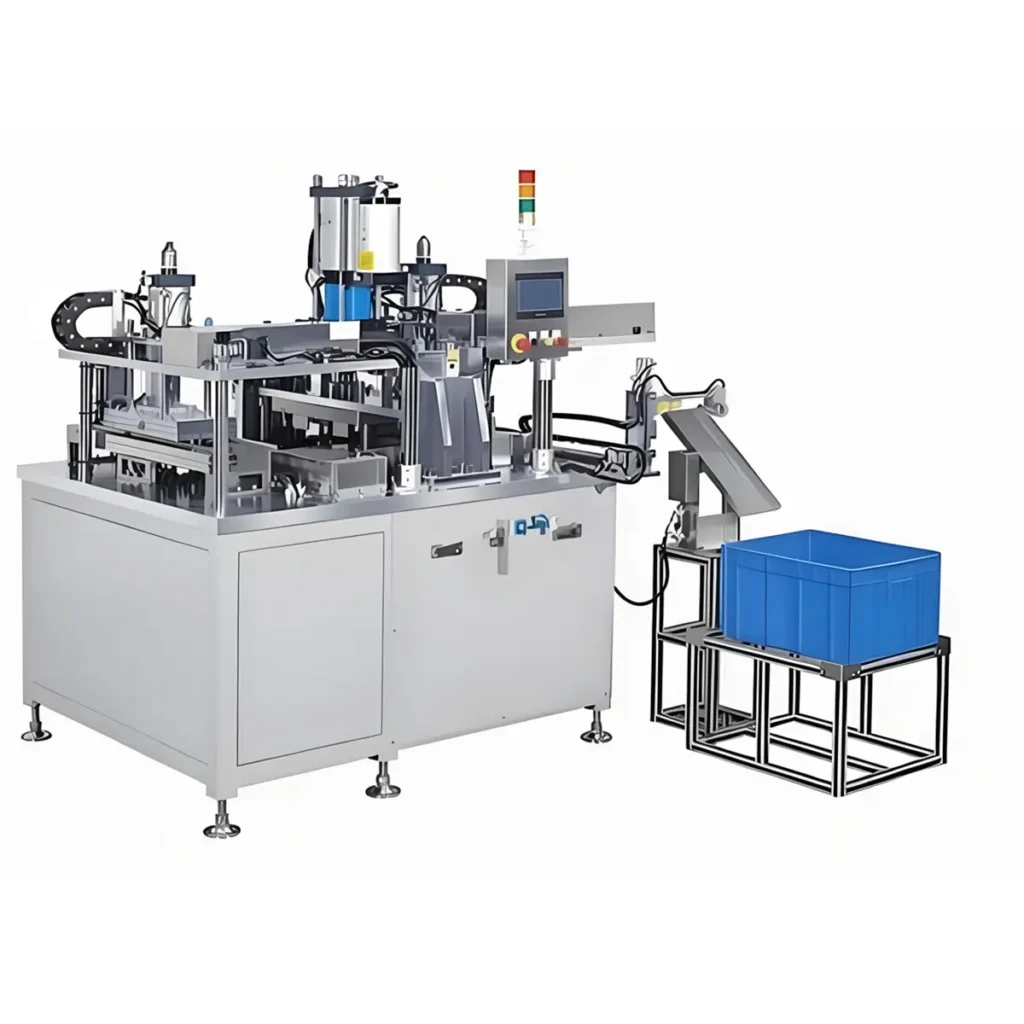
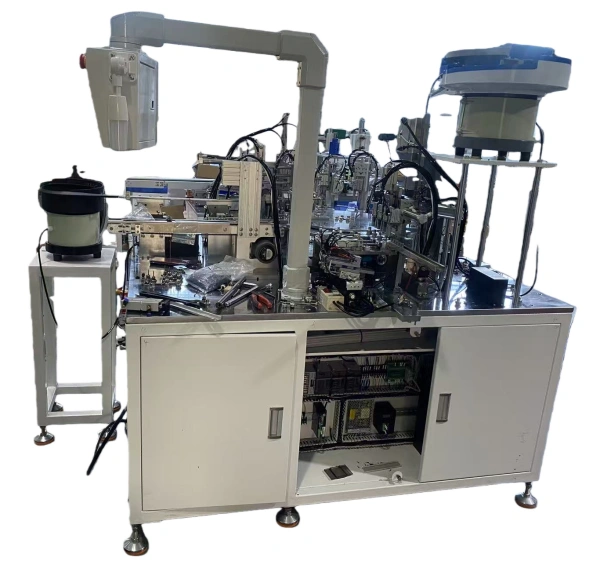
I. Quick Answer Yes, modern assembly machines can detect defective products during the assembly process and automatically reject them without stopping the production line. This is a standard feature in advanced automated assembly systems. II. How It Works Step Action 1 Parts are fed into the assembly machine (e.g., via a vibratory bowl feeder). 2 Inspection stations are placed at key points in the assembly sequence (e.g., after part insertion, after fastening, after final assembly). 3 Sensors or vision systems check each product for defects. 4 If a product passes inspection, it continues to the next station. 5 If a product fails inspection, the machine triggers a reject mechanism (air blast, pusher, diverter) to remove the defective part […]
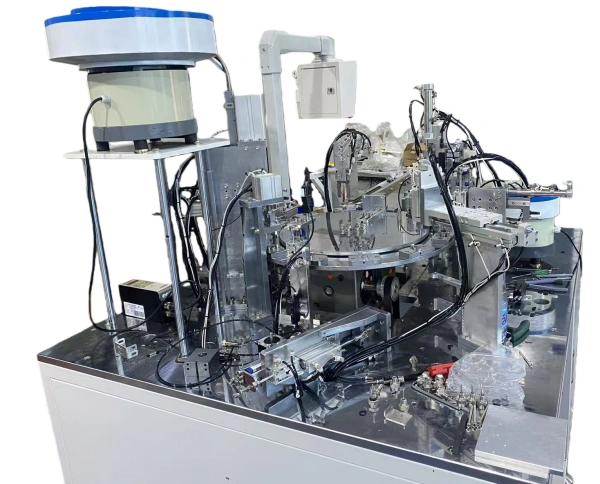
I. Introduction Assembly machines are complex systems that can face a variety of operational, maintenance, and quality‑related challenges. Below is a structured summary of the most frequent pain points and practical solutions. II. Common Pain Points and Solutions 1. Frequent Jams or Misfeeds Aspect Details Pain Point Parts get stuck in feeders, tracks, or tooling; misfeeds cause production stops and quality issues. Root Causes Part dimensional variation, worn tooling, improper feeder tuning, sticky or oily parts, foreign objects. Solutions – Use vibratory bowls with adjustable tooling or quick‑change tracks. – Install sensors (photoelectric, fiber optic) to detect jams early. – Regularly clean and inspect tracks and feeders. – Add air […]
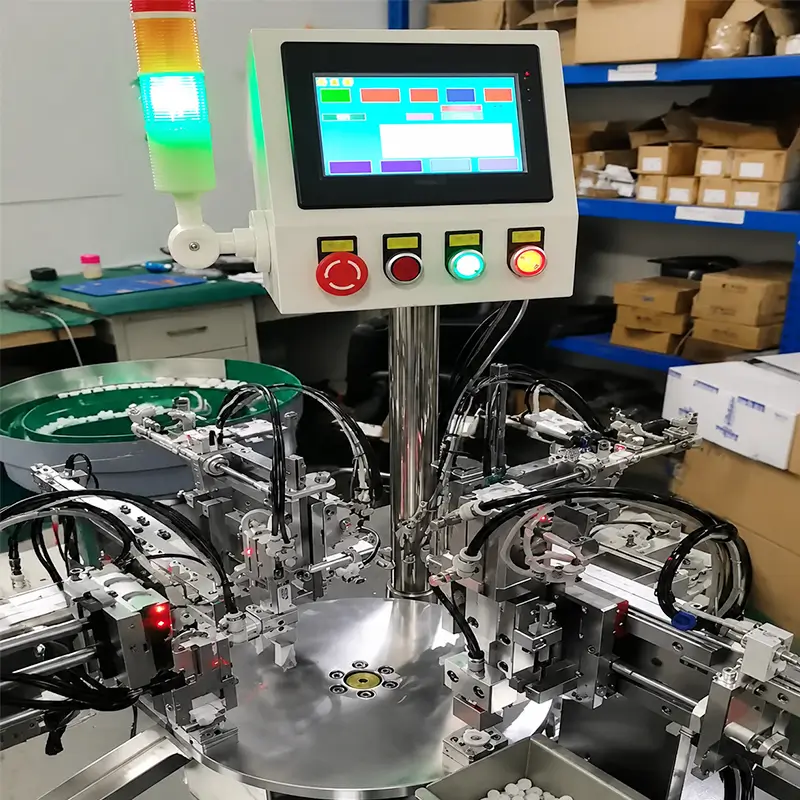
Frame & Structural Components Aluminum profile frame, steel base, mounting plates, safety guards, doors with interlocks. Drive & Transmission Components Servo motors, stepper motors, pneumatic/hydraulic cylinders, electric slides, linear guides, ball screws, timing belts, couplings. III. Feeding & Handling Components Vibratory bowls & controllers, linear feeders, pusher feeders, hoppers, feed tracks, elevators. Actuation & End-Effector Tools Pneumatic grippers, vacuum cups, screwdriver bits, dispensing valves, welding guns, ultrasonic horns, riveting heads, press heads, custom jaws. Sensing & Inspection Components Fiber optic sensors, proximity switches, photoelectric sensors, vision cameras & lights, pressure sensors, encoders, laser gauges. Control & Electrical Components PLC, motion controller, HMI (touchscreen), relays, contactors, circuit breakers, power supplies, servo drives, […]
Optical inspection machines utilize imaging and image processing to automate inspection, measurement, and identification on high-speed production lines. High-Precision Dimensional Measurement Function: Non-contact measurement of length, width, height, diameter, hole size, and spacing. Application: Verifying if parts are within drawing tolerances. Surface Defect Inspection Function: Identifying various surface flaws. Defects Detected: Scratches, cracks, dents. Stains, contamination, foreign material. Printing defects. Assembly errors. Coating irregularities. Identification and Classification Function: Reading product markings and sorting based on features. Application: OCR/OCV: Reading and verifying dates, lot codes, serial numbers. Barcode/QR Code Reading: For traceability. Color Recognition: Sorting or checking color consistency. Shape Sorting: Identifying different product models. Positioning and Guidance Function: Precisely […]
Optical inspection is suitable for virtually any manufactured product requiring checks for appearance, dimensions, completeness, or identification. Precision Electronic Components Examples: Printed Circuit Boards, chips, connectors, capacitors, resistors, LEDs. Inspects: PCB solder joints, missing/misplaced components, part dimensions, surface defects. Semiconductors & Wafers Examples: Silicon wafers, packaged chips. Inspects: Wafer contamination, scratches, defect patterns; package appearance, leads, marking. Automotive Components Examples: Pistons, gears, bearings, seals, connectors, lights, dashboards. Inspects: Dimensional accuracy, surface flaws, assembly completeness, printing. Pharmaceuticals & Medical Devices Examples: Tablets, capsules, syringes, vials, surgical tools, packaging. Inspects: Missing/damaged pills, print quality, label placement, surface defects. Food & Beverage Packaging Examples: Bottle caps, labels, cans, pouches. Inspects: Seal integrity, label […]
 Japanese
  English
  Spanish (Mexico)
  Czech
Czech  Arabic
  Russian
  German
  French
  Turkish
  Italian
  Ukrainian
  Polish
  Romanian
  Bengali
  Portuguese (Portugal)
  Thai
Thai  Korean
  Hebrew
  Uzbek
Uzbek  Hindi
Hindi  Slovak
  Vietnamese
  Portuguese (Brazil)
  Spanish (Peru)
  Spanish (Spain)
  Spanish (Venezuela)