
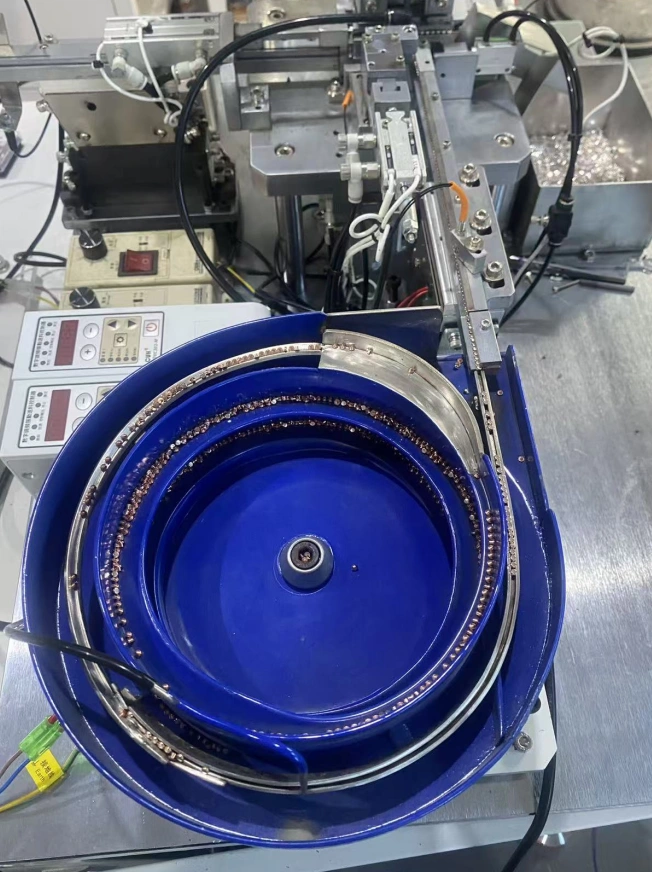
I. Quick Answer A vibratory bowl feeder with a conveyor belt is suitable for products that require longer transfer distances, buffering, or gentle handling after being sorted and oriented by the bowl. It is particularly useful when the downstream machine is located some distance away from the bowl, or when parts need to be accumulated before the next operation. II. Product Types Suitable for Bowl + Conveyor Belt Product Category Specific Examples Why Bowl + Conveyor Works Well Small to medium metal parts Screws, bolts, nuts, washers, pins, rivets Bowl orients them; conveyor transfers them over distance to assembly or packaging station Plastic components Caps, closures, clips, small housings, connectors Bowl sorts and orients; […]
タグアーカイブ: Vibration bowl
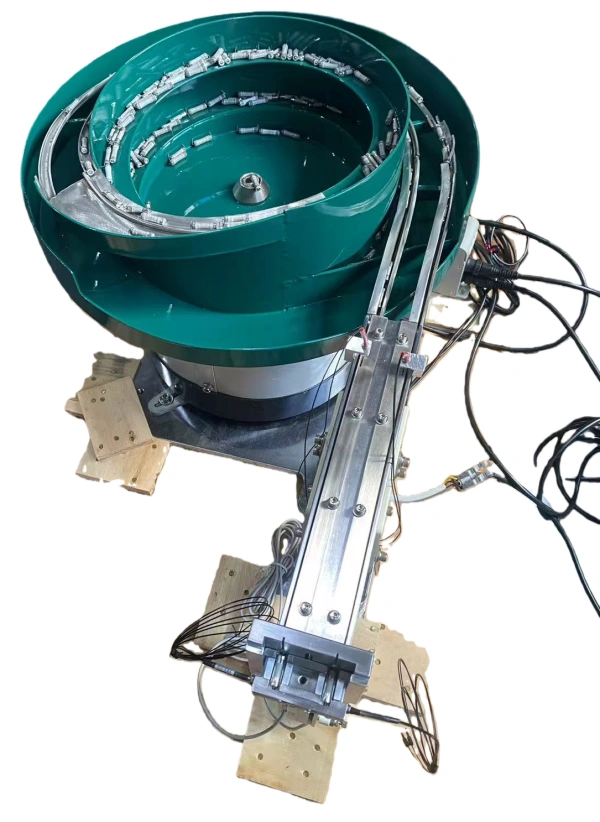
A vibratory bowl feeder with an integrated camera (vision-guided feeding system) is suitable for products that require high-precision orientation, quality inspection, or real-time defect detection. Below is a detailed breakdown: I. Product Types Best Suited for a Vibratory Bowl Feeder with a Camera Product Category Specific Examples Why Camera Integration Helps Parts with polarity or orientation marks ICs, connectors, diodes, capacitors, LEDs, sensors The camera detects polarity marks, notches, or orientation features to ensure correct feeding direction before assembly. Parts with fine details or subtle defects Precision gears, medical components, optical parts, micro‑switches The camera identifies scratches, burrs, cracks, missing features, or dimensional deviations that are difficult to detect mechanically. Parts that change […]
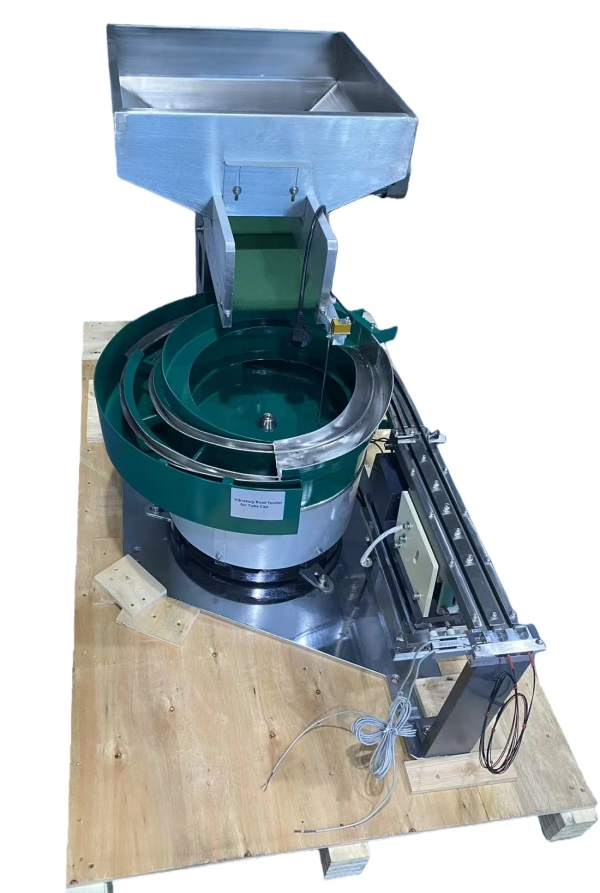
I. Quick Answer Aspect Vibratory Bowl Feeder Flexible Feeder Speed (parts/min) Much faster – typically 100–500+ parts/min, up to 1000+ for small, simple parts Slower – typically 10–60 parts/min (limited by robot cycle time) Stability Very stable – once tuned for a specific part, the feed rate is highly consistent Moderate – depends on vision processing speed and robot repeatability; can be affected by lighting, part appearance, and tray condition II. Speed Comparison Speed Factor Vibratory Bowl Feeder Flexible Feeder Typical range 100 – 500 parts/min 10 – 60 parts/min Maximum (small, simple parts) Up to 1000+ parts/min Up to 120 parts/min (with high‑speed robot + fast vision) Speed limitation Limited by track geometry […]
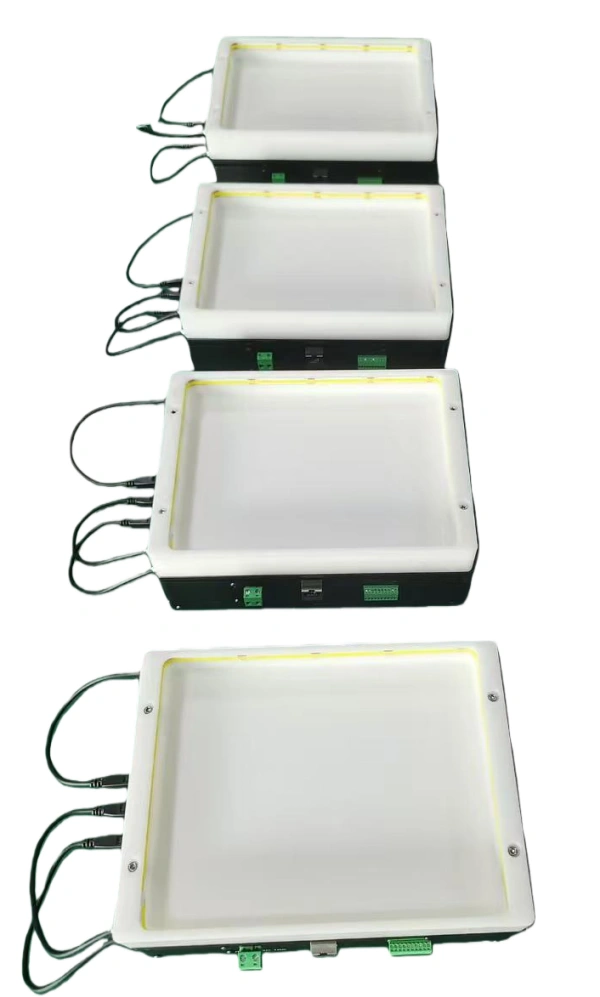
Which is better – a flexible feeder or a vibratory bowl feeder? What are the differences between them? I. Quick Answer Neither is universally “better” – they are designed for different applications. The choice depends on your part characteristics, production volume, changeover frequency, and budget. Choose a vibratory bowl feeder for high‑speed, long‑run feeding of a single part type that is rigid, uniform, and can be mechanically oriented. Choose a flexible feeder for high‑mix, low‑volume production, or when parts are delicate, complex, tangle‑prone, or difficult to orient mechanically. II. Key Differences (Comparison Table) Feature Vibratory Bowl Feeder Flexible Feeder Working principle Uses vibration + mechanical tooling (tracks, wipers, slots) to orient parts as they move along a spiral track Uses […]
 Japanese
  English
  Spanish (Mexico)
  Czech
Czech  Arabic
  Russian
  German
  French
  Turkish
  Italian
  Ukrainian
  Polish
  Romanian
  Bengali
  Portuguese (Portugal)
  Thai
Thai  Korean
  Hebrew
  Uzbek
Uzbek  Hindi
Hindi  Slovak
  Vietnamese
  Portuguese (Brazil)
  Spanish (Peru)
  Spanish (Spain)
  Spanish (Venezuela)