
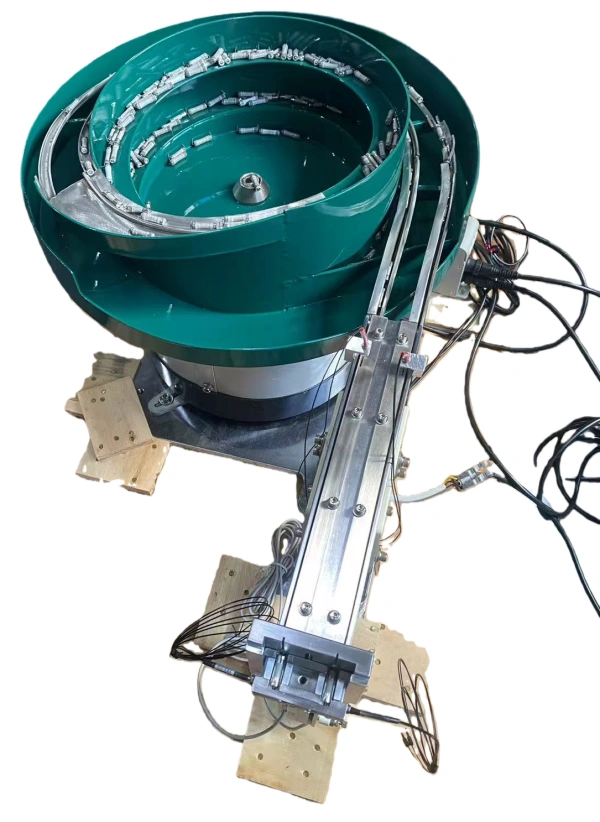
A vibratory bowl feeder with an integrated camera (vision-guided feeding system) is suitable for products that require high-precision orientation, quality inspection, or real-time defect detection. Below is a detailed breakdown: I. Product Types Best Suited for a Vibratory Bowl Feeder with a Camera Product Category Specific Examples Why Camera Integration Helps Parts with polarity or orientation marks ICs, […]
Archivos de la categoría: Vibratory Bowl Feeder
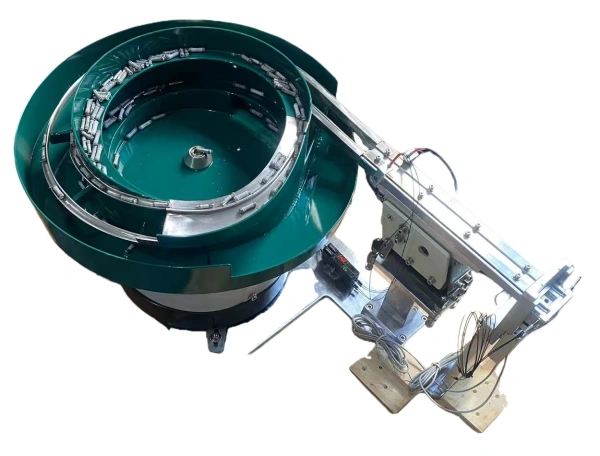
I. Quick Answer Yes, but with some limitations. Magnetic products can be fed using a vibratory bowl feeder, but the magnetic properties of the parts create unique challenges that must be addressed during the design and tuning of the feeder. II. Suitability Summary Magnetic Product Type Suitable for Vibratory Bowl? Key Considerations Ferromagnetic metal parts (steel, iron, nickel) ✅ […]
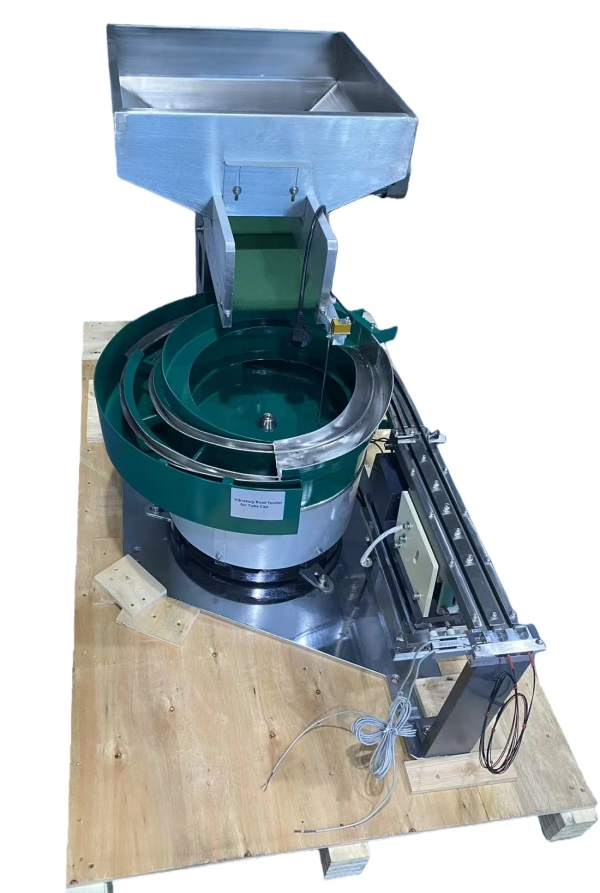
I. Quick Answer Aspect Vibratory Bowl Feeder Flexible Feeder Speed (parts/min) Much faster – typically 100–500+ parts/min, up to 1000+ for small, simple parts Slower – typically 10–60 parts/min (limited by robot cycle time) Stability Very stable – once tuned for a specific part, the feed rate is highly consistent Moderate – depends on vision processing speed and robot […]
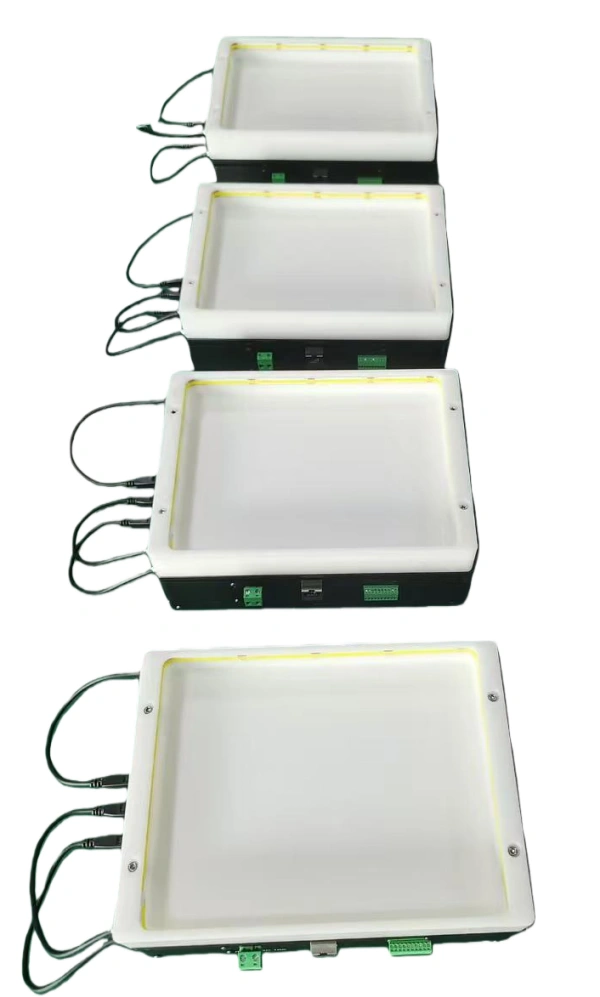
Which is better – a flexible feeder or a vibratory bowl feeder? What are the differences between them? I. Quick Answer Neither is universally “better” – they are designed for different applications. The choice depends on your part characteristics, production volume, changeover frequency, and budget. Choose a vibratory bowl feeder for high‑speed, long‑run feeding of a single part type that is […]
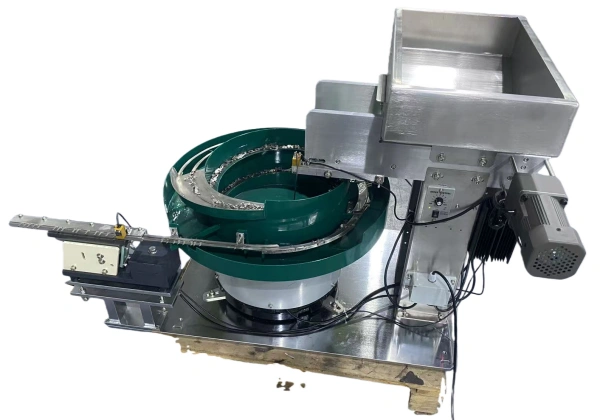
I. How to Maintain a Vibratory Bowl Feeder Proper maintenance includes cleaning, inspection, adjustment, and replacement of wear parts. Below is a clear, structured guide covering daily, weekly, monthly, quarterly, and yearly tasks. II. Daily Maintenance (Every Shift) Task Action Clean the bowl and track Remove dust, debris, and any stuck parts. Use a soft brush or compressed air. […]
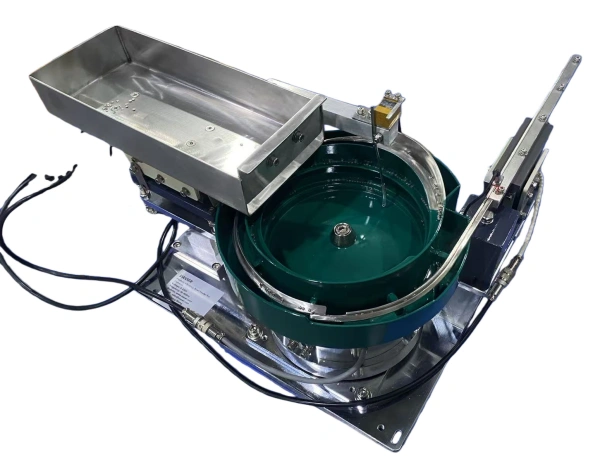
I. Typical Lifespan of a Vibratory Bowl Feeder Component / Condition Typical Lifespan Bowl body and track (stainless steel) 10 – 20+ years (with proper care) Springs / leaf springs 3 – 5 years (depending on duty cycle) Electromagnet coil 5 – 10 years (or longer if not overheated) Controller 5 – 10 years (electronics […]
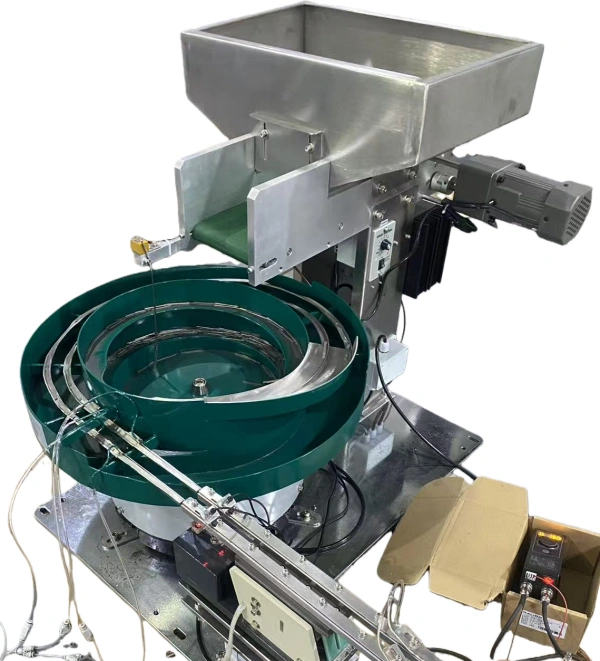
The answer depends on your specific application. Below is a structured comparison to help you choose. I. Quick Overview Feature Vibratory Bowl + Linear Vibrator Vibratory Bowl + Conveyor Belt Common name Bowl feeder + linear track (straight vibrator) Bowl feeder + belt conveyor Best for Precise, high‑speed part transfer and orientation Simple, low‑cost, non‑critical […]
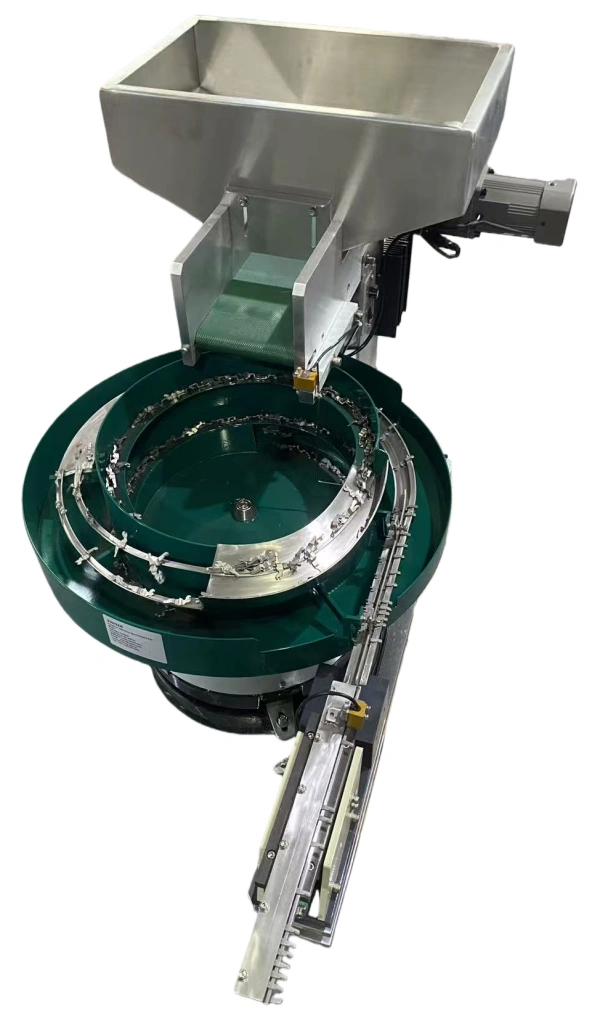
What are the differences between a vibratory bowl feeder and a vibrating screen? I. Core Functional Difference Aspect Vibratory Bowl Feeder Vibrating Screen Primary purpose Feeds and orients individual parts in a single‑file stream for downstream automation Separates, classifies, or de‑dusts bulk material by particle size Output Singulated, oriented parts (one at a time) Two […]
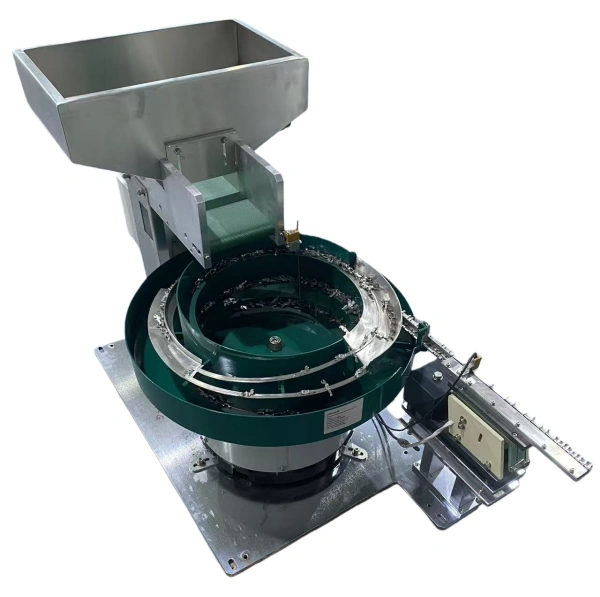
For oversized products, is a vibratory bowl feeder or a pusher feeder better? I. Comparison of Suitability for Oversized Products Factor Vibratory Bowl Feeder Pusher Feeder Typical part size range Small to medium (usually < 50 mm in diameter / length) Can handle larger parts (50–200+ mm, depending on design) Maximum part weight Typically 1–3 […]
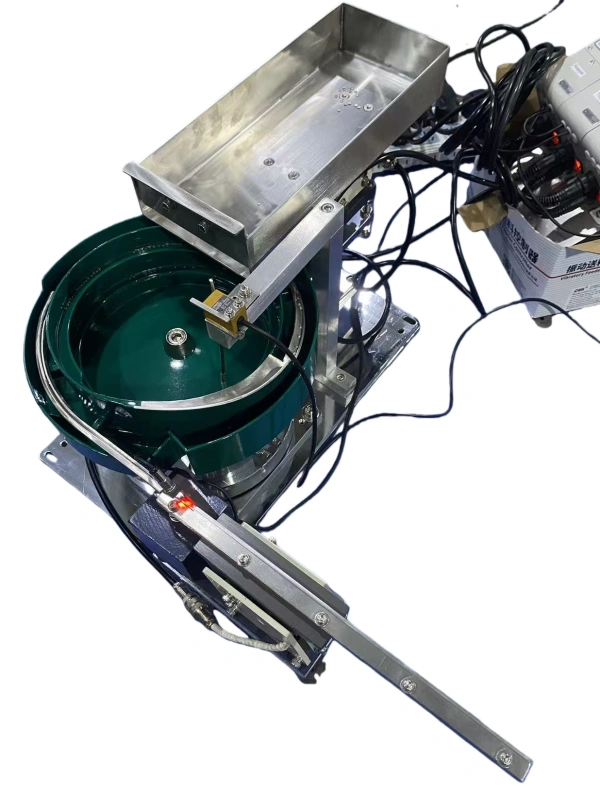
I. Rivet Types Suitable for Riveting Machines Most blind and solid rivets can be used with automatic or semi‑automatic riveting machines, provided the rivet geometry is compatible with the feeder and riveting head. Below are the most common types: 1. Blind Rivets (Pop Rivets) These are the most widely used with automatic riveting machines. Rivet […]
 Spanish (Venezuela)
  English
  Spanish (Mexico)
  Czech
Czech  Arabic
  Russian
  German
  French
  Turkish
  Italian
  Ukrainian
  Polish
  Romanian
  Bengali
  Portuguese (Portugal)
  Thai
Thai  Japanese
  Korean
  Hebrew
  Uzbek
Uzbek  Hindi
Hindi  Slovak
  Vietnamese
  Portuguese (Brazil)
  Spanish (Peru)
  Spanish (Spain)