
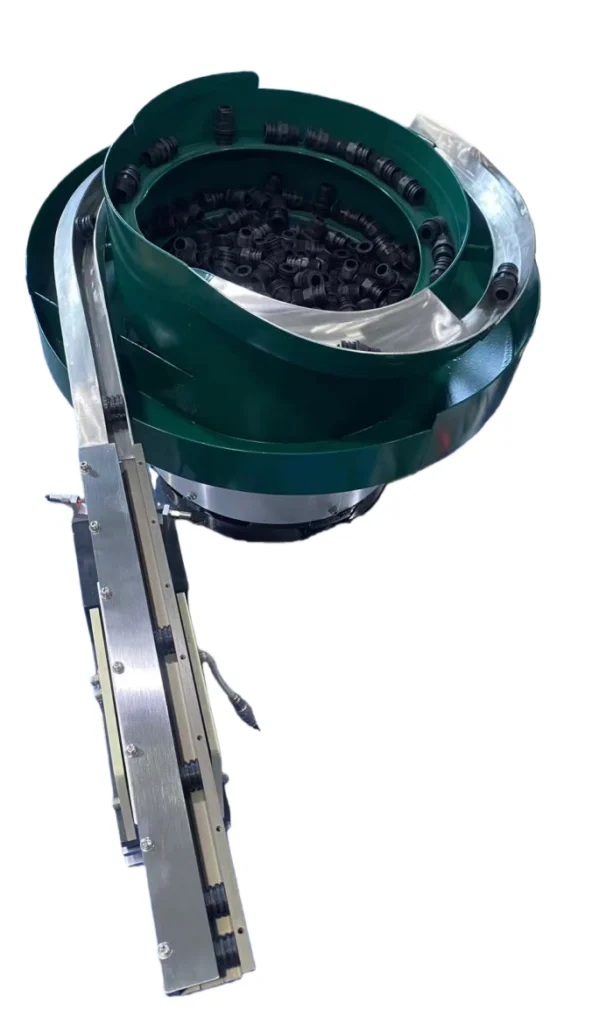
I. Functions of a Vibratory Bowl Feeder with a Counter A vibratory bowl feeder equipped with a counter (either a standalone counting module or integrated into a PLC/HMI) provides the following functions: Function Description Real-Time Counting Counts each part as it passes a sensor at the discharge point or on the linear track Batch Counting […]
Archivos de etiqueta: Custom Vibratory Feeders
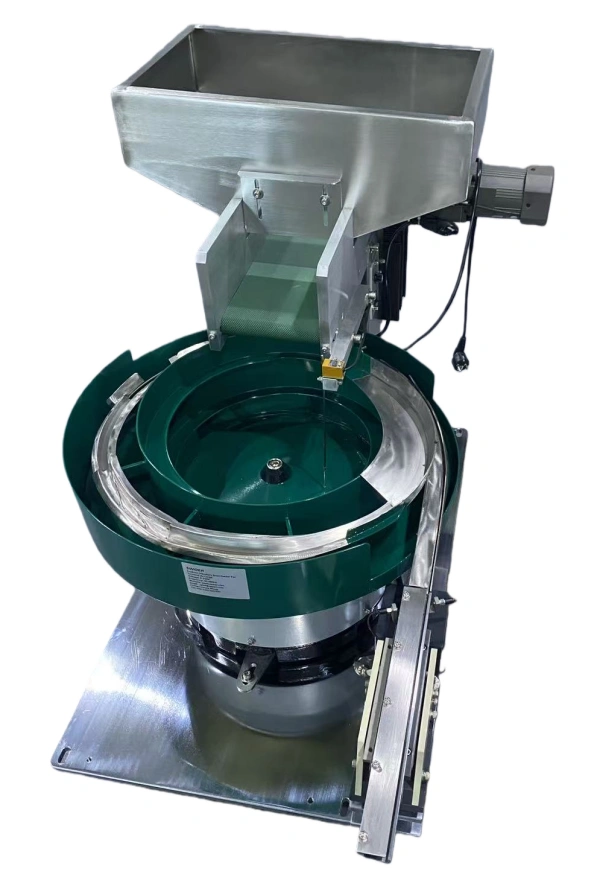
How Should a Vibratory Bowl Be Made for Oily Products? If you must use a vibratory bowl for oily parts, the following design modifications are recommended: 1. Surface Treatment & Materials Measure Purpose PTFE (Teflon) coating Reduces friction and prevents oil from sticking to the track. Stainless steel bowl (SUS304 or SUS316) Resists oil‑related corrosion […]
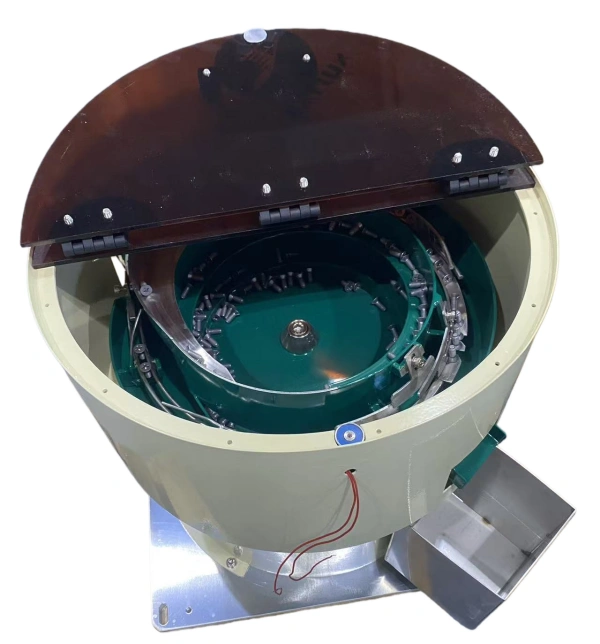
The main differences between a motor-driven hopper (e.g., a rotary table, screw feeder, or belt hopper) and a linear vibrator hopper (e.g., a vibrating storage hopper or linear feeder hopper) are as follows: Aspect Motor-Driven Hopper Linear Vibrator Hopper Drive Principle Uses a rotary motor (geared, stepper, or servo) to move material, typically via a screw, belt, rotating disc, […]
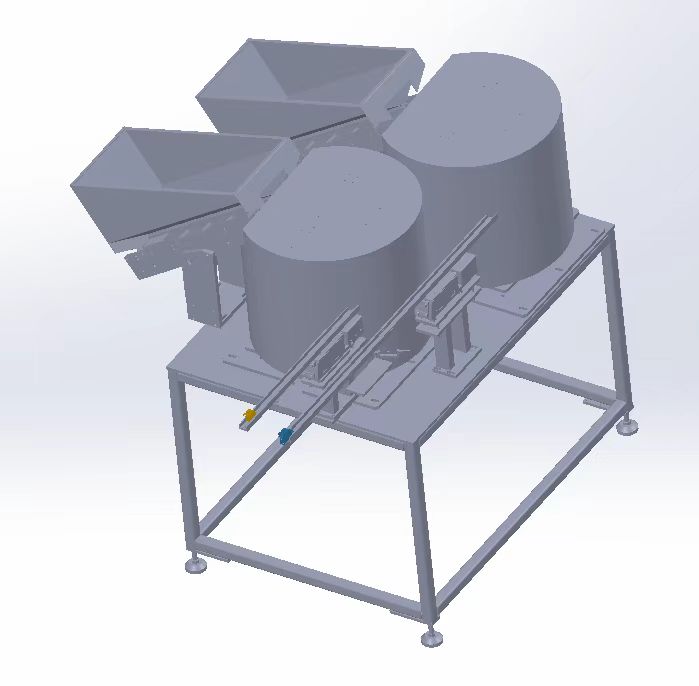
The short answer is: It depends. While a vibratory bowl feeder is typically designed and tooled for a specific part, there are scenarios where one bowl can handle multiple products — but with important limitations. I. General Rule Situation Possibility Difficulty Multiple products with very similar geometry (e.g., screws of same head style but different lengths) ✅ Possible […]
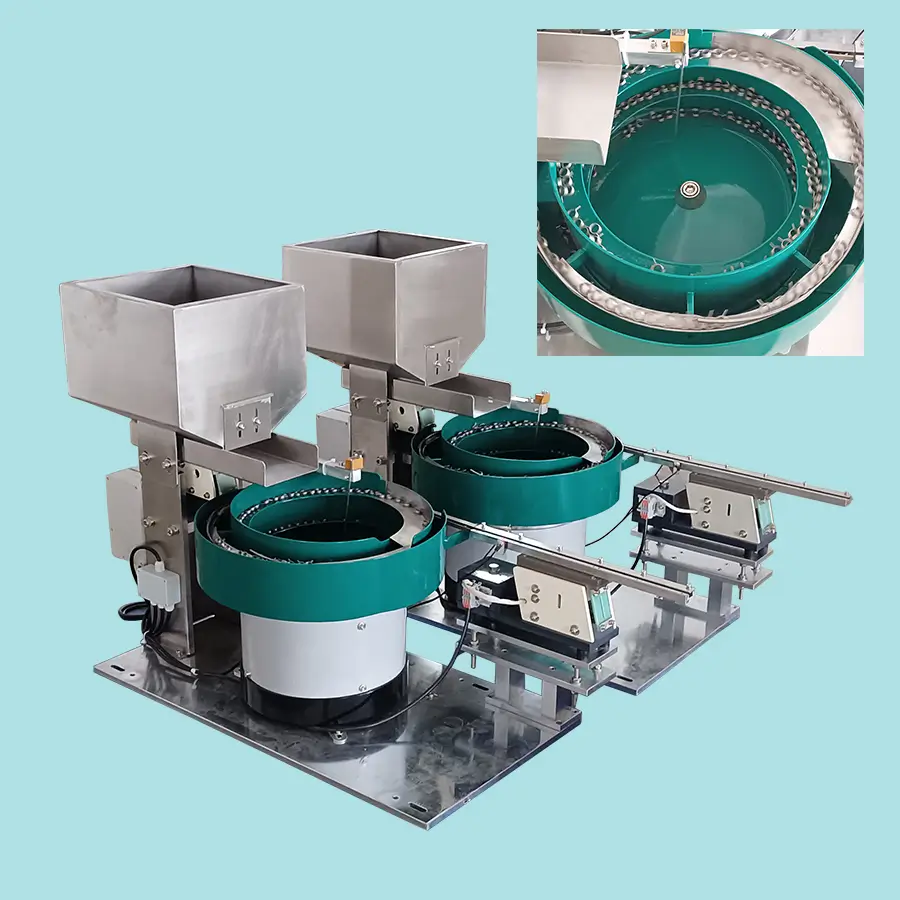
Springs might be small, but they know how to cause big headaches on an assembly line. Their coiled shapes love to tangle, twist, and jam up machines, slowing everything down. That’s where a custom vibratory bowl feeder comes in. It takes the chaos out of spring feeding. Instead of relying on manual sorting or slow […]
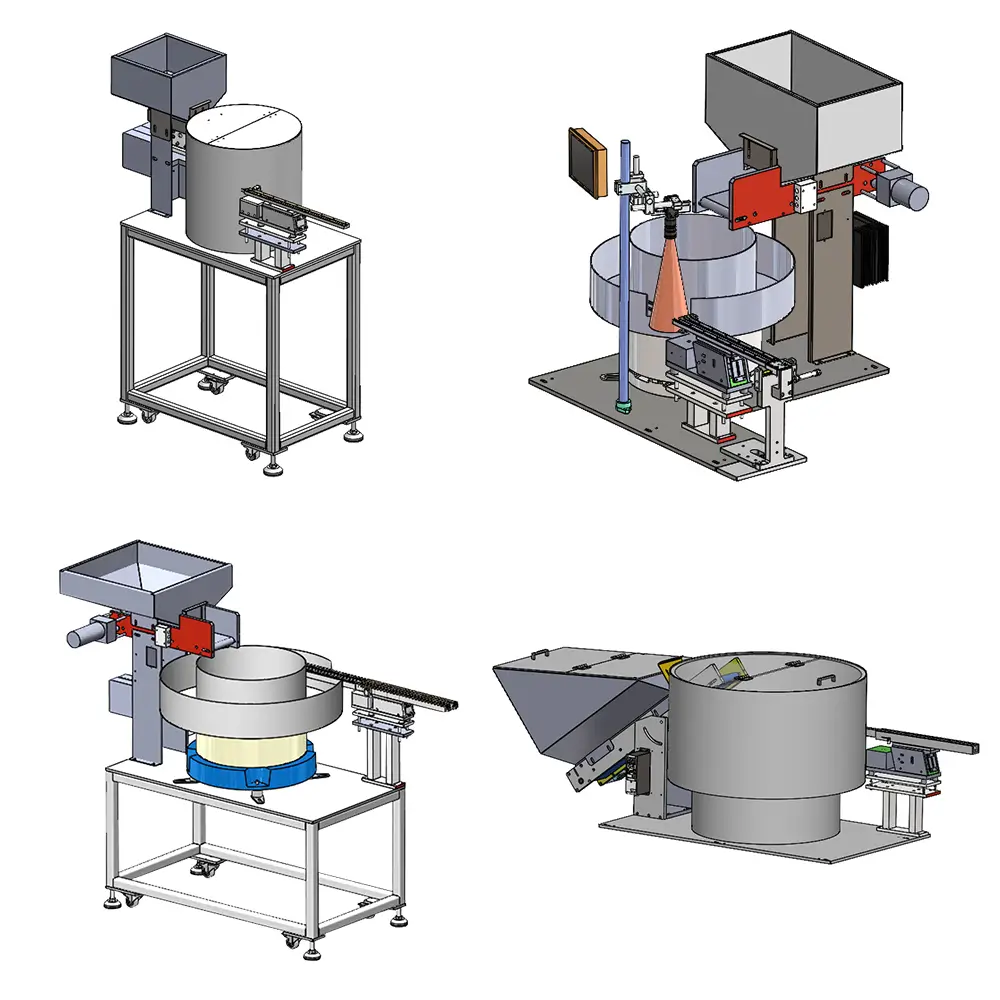
La fabricación de productos electrónicos exige precisión en cada paso. A medida que los productos se hacen más pequeños y complejos, cada componente debe manipularse con cuidado y precisión. Aquí es donde entra en juego la automatización de los alimentadores vibratorios. Los alimentadores vibratorios desempeñan un papel crucial en la clasificación y alimentación automática de piezas electrónicas, garantizando que entren en la línea de montaje en la posición correcta. […]
 Spanish (Peru)
  English
  Spanish (Mexico)
  Czech
Czech  Arabic
  Russian
  German
  French
  Turkish
  Italian
  Ukrainian
  Polish
  Romanian
  Bengali
  Portuguese (Portugal)
  Thai
Thai  Japanese
  Korean
  Hebrew
  Uzbek
Uzbek  Hindi
Hindi  Slovak
  Vietnamese
  Portuguese (Brazil)
  Spanish (Spain)
  Spanish (Venezuela)