giriiş
Small electronic products often contain tiny parts, tight assembly tolerances, and multiple production steps. Manual assembly can slow production and make quality control harder.
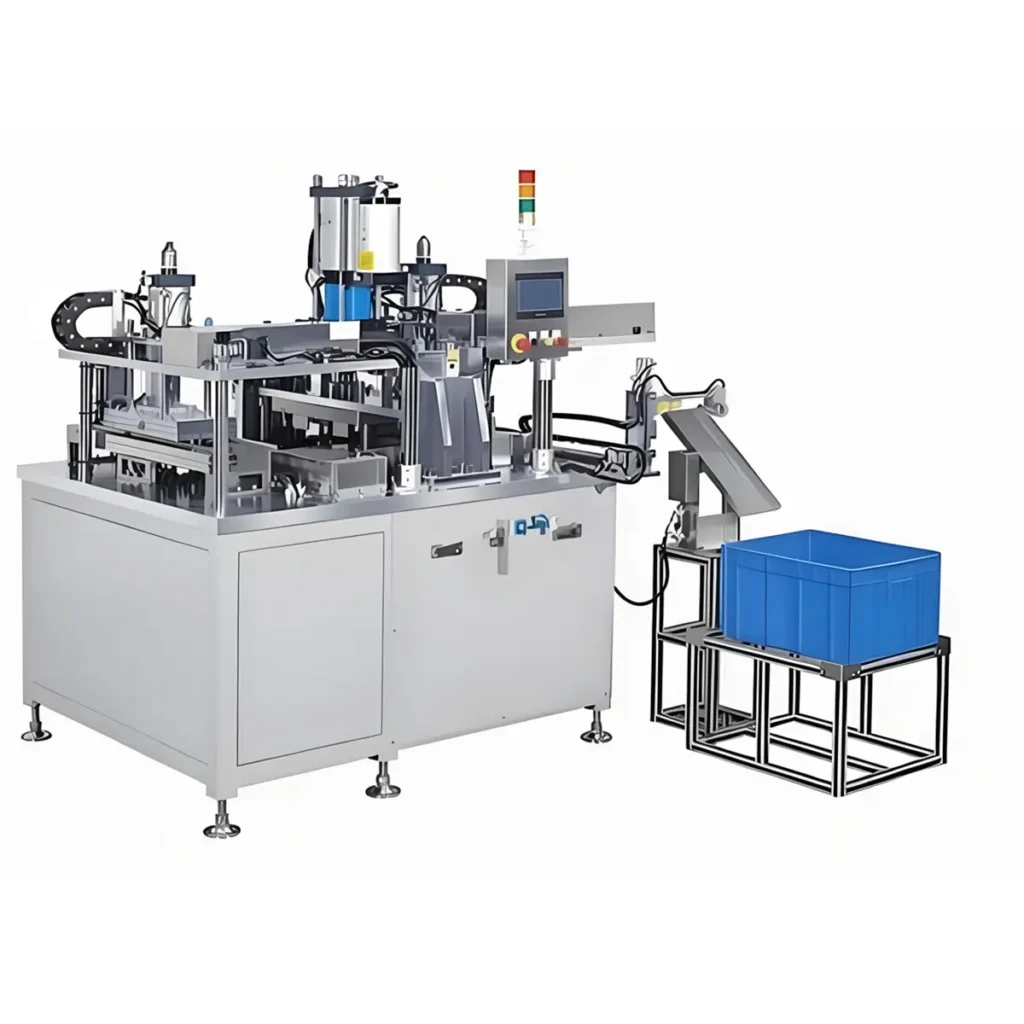
Automatic assembly machines help manufacturers handle feeding, positioning, fastening, insertion, inspection, testing, and product transfer.
Choosing the right machine depends on product structure, component size, assembly steps, production speed, and quality requirements.
This guide covers common assembly machine options for small electronics manufacturing and explains where each option works best.
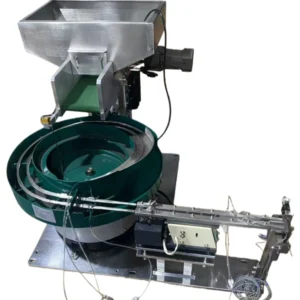
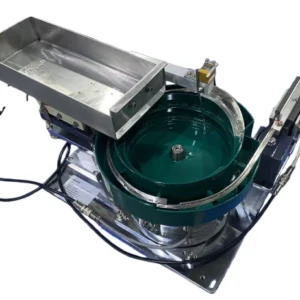
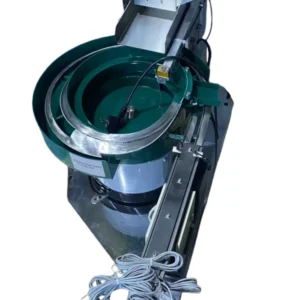
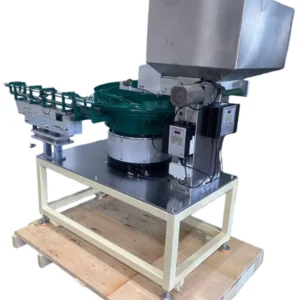
1. Vibratory Bowl Feeder Assembly Machines
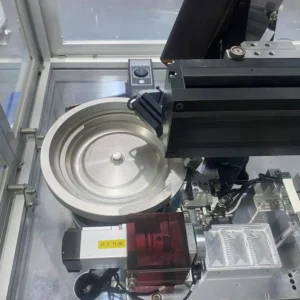
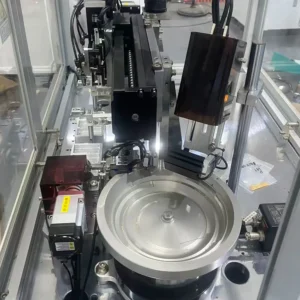
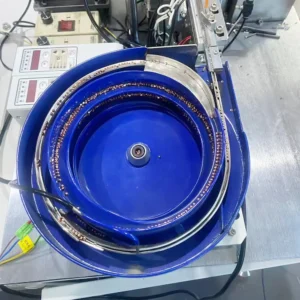
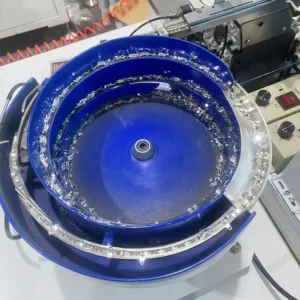
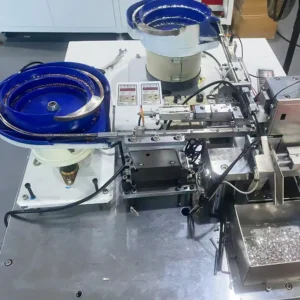
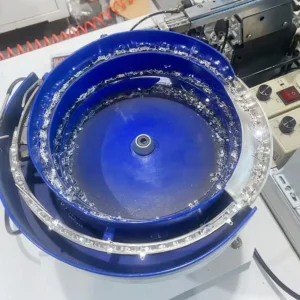
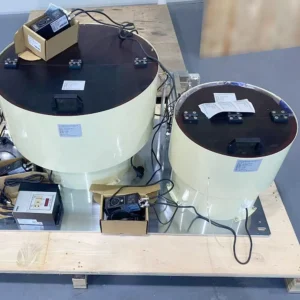
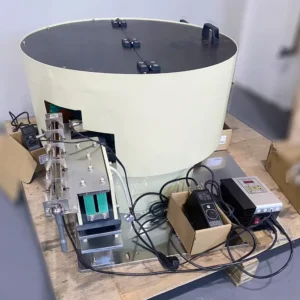
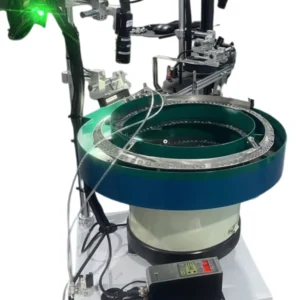
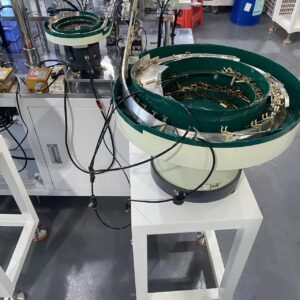
Titreşimli kase besleyiciler work well with small electronic components that require stable and organized feeding.
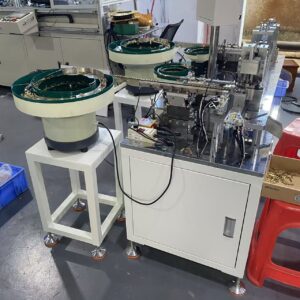
The feeder sorts components and sends them toward the assembly station. Engineers can connect the feeder with automatic insertion, pressing, fastening, or testing units.
Common applications include:
- Small screws
- Yaylar
- Pins
- Terminals
- Plastic parts
- Metal components
Manufacturers can also combine multiple feeding systems when one product requires several different components.
2. Automatic Screw Assembly Machines
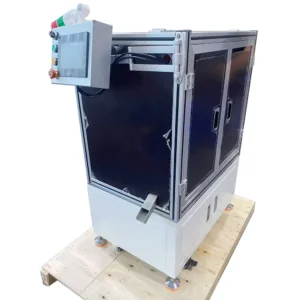
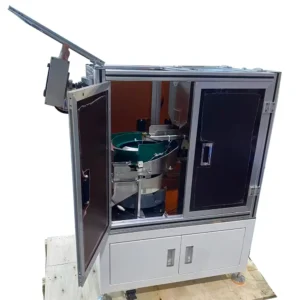
Automatic screw assembly machines are suitable for electronic products that use screws during production.
The machine feeds screws, positions the product, drives each screw, and checks the fastening process according to the production requirements.
Manufacturers can customize screw feeding, screw driving, torque control, product fixtures, and inspection systems.
| Assembly Machine Type | Main Function | Suitable Electronics Applications |
| Vibratory Bowl Assembly Machine | Feeds and positions small parts | Switches, terminals, connectors |
| Automatic Screw Assembly Machine | Feeds and fastens screws | Electronic housings, control panels |
| Press-Fit Assembly Machine | Inserts components with controlled force | Connectors, terminals, plastic parts |
| Vision Assembly Machine | Positions and checks components | Sensors, switches, precision parts |
| Testing Assembly Machine | Tests product functions | Electronic modules, switches, connectors |
| Multi-Station Assembly Machine | Combines several assembly processes | Complex electronic products |
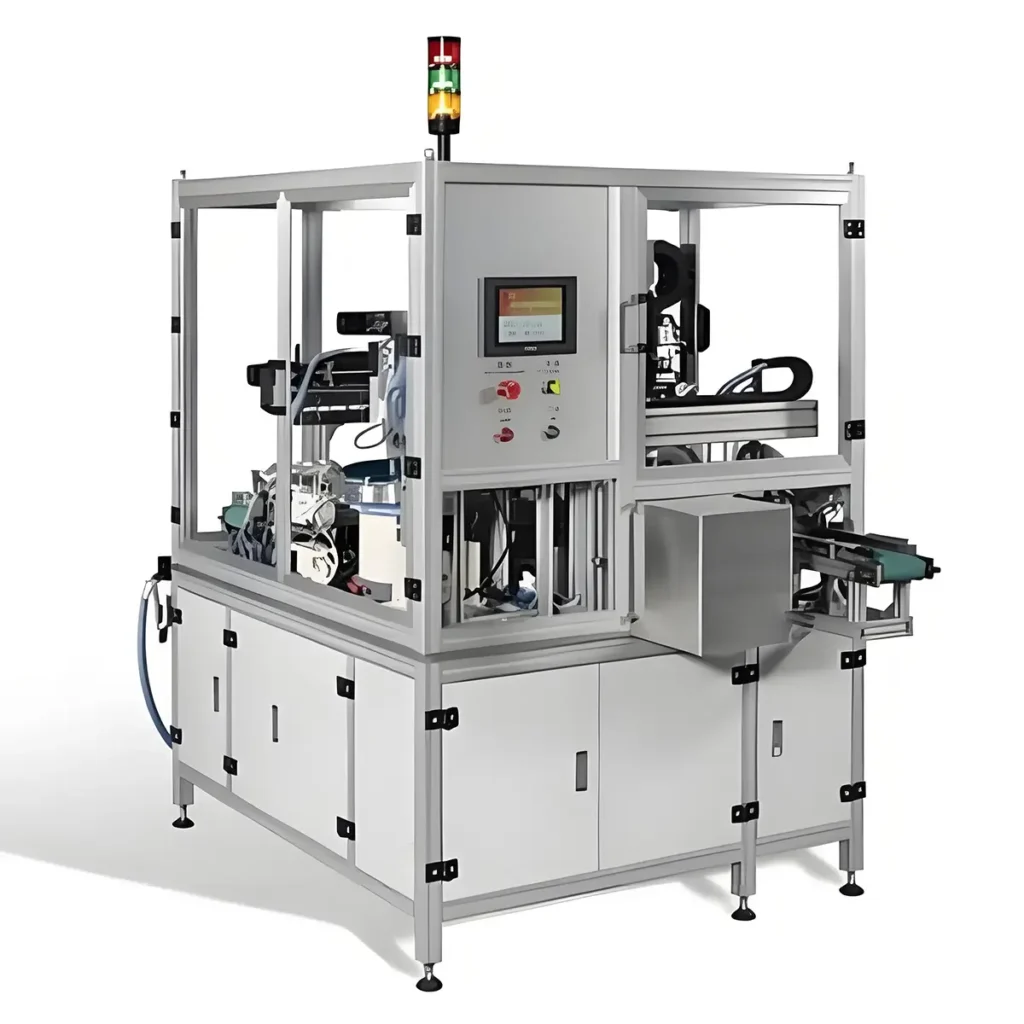
3. Press-Fit Assembly Machines
Press-fit assembly machines work well when electronic products require controlled component insertion.
The machine controls pressing force, stroke, position, and assembly sequence. Engineers can also add sensors to monitor each pressing operation.
Typical applications include:
- Connector insertion
- Terminal pressing
- Pin insertion
- Bearing installation
- Plastic component insertion
Press-fit systems can reduce manual insertion work and provide consistent assembly results.
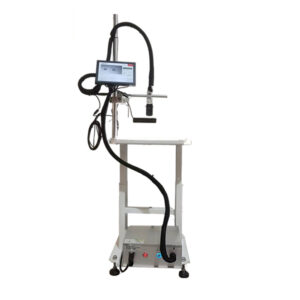
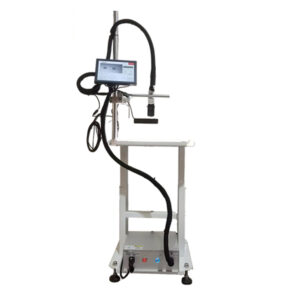
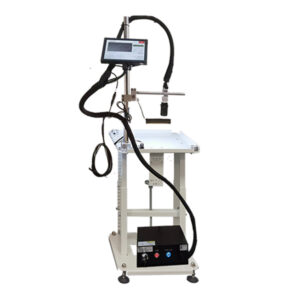
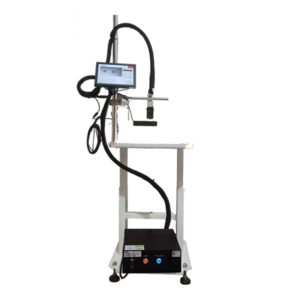
4. Vision Assembly Machines for Small Components
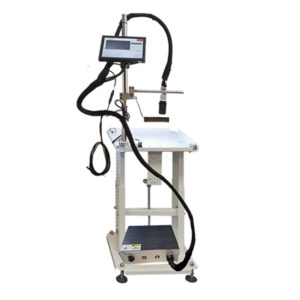
Görüntü sistemleri help machines identify component position, orientation, and assembly conditions.
Cameras can check whether components sit in the correct position before the machine continues to the next process.
Vision inspection can also identify missing parts, incorrect orientation, damaged components, and assembly errors.
Manufacturers often combine vision systems with robotic pick-and-place units, feeding systems, and automatic assembly stations.
5. Automatic Testing and Inspection Machines
Electronic products often require functional or electrical testing after assembly.
Testing machines can connect with the assembly process and check products before final discharge.
Common testing functions include:
- Electrical continuity testing
- Switch function testing
- Component presence checking
- Position inspection
- Pressure or force testing
- Product performance testing
Combining assembly and testing helps manufacturers identify problems earlier in the production process.
6. Multi-Station Assembly Machines
Multi-station assembly machines combine several production steps within one machine.
For example, one system can handle component feeding, positioning, pressing, screw fastening, inspection, testing, and product discharge.
This setup suits products with several assembly processes and higher production requirements.
Engineers can arrange each station according to the product structure and assembly sequence.
How to Choose the Right Assembly Machine
Several factors affect the choice of an assembly machine.
Product Structure
Check the number, size, material, and shape of each component before selecting the feeding and assembly system.
Assembly Process
List every production step, from component feeding to final testing. This process helps engineers determine which stations the machine needs.
Production Speed
Define the required output per hour. Higher production targets may require multiple feeding systems, parallel assembly stations, or robotic transfer systems.
Quality Requirements
Determine which components need position checks, force monitoring, torque control, or vision inspection.
Future Production Needs
Consider future product changes and production increases. Modular machine structures can make later upgrades easier.
Contact Swoer to Get the Right Assembly MachinCustomized Assembly Applications
SWOER designs custom assembly machines around each customer’s product structure and production requirements.
The engineering team can combine feeding systems, assembly mechanisms, vision inspection, testing units, robots, conveyors, and control systems according to the production process.
Common applications include:
- Switch assembly
- Connector assembly
- Sensor assembly
- Terminal assembly
- Small electronic module assembly
- Button assembly
- Electronic housing assembly
- Precision small-part assembly
- Assembly line machines
What Information Should You Send Before Machine Design?
Manufacturers can provide the following information to help engineers select the right machine configuration:
- Product drawings
- 3D product files
- Component samples
- Assembly process
- Required production capacity
- Product tolerance
- Inspection requirements
- Factory space limitations
SWOER can review these details and develop a machine concept around the actual production requirements.
Çözüm
Small electronics manufacturing often requires precise feeding, stable positioning, controlled assembly, and reliable inspection.
Vibratory bowl feeder machines, screw assembly machines, press-fit machines, vision systems, testing machines, and multi-station assembly machines each suit different production needs.
The right choice depends on product structure, assembly steps, production speed, and quality requirements.
YÜKSEK provides customized assembly machines for small electronics and can combine feeding, assembly, inspection, testing, and transfer systems into one production solution.
Send your product drawings or samples to YÜKSEK to discuss the right assembly machine for your production line.

 Turkish
  English
  Spanish (Mexico)
  Czech
Czech  Arabic
  Russian
  German
  French
  Italian
  Ukrainian
  Polish
  Romanian
  Bengali
  Portuguese (Portugal)
  Thai
Thai  Japanese
  Korean
  Hebrew
  Uzbek
Uzbek  Hindi
Hindi  Slovak
  Vietnamese
  Portuguese (Brazil)
  Spanish (Peru)
  Spanish (Spain)
  Spanish (Venezuela)