
I. はじめに
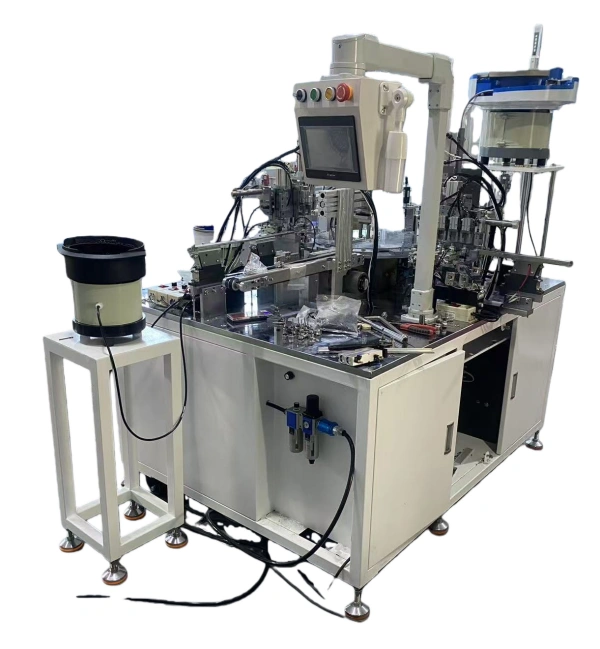
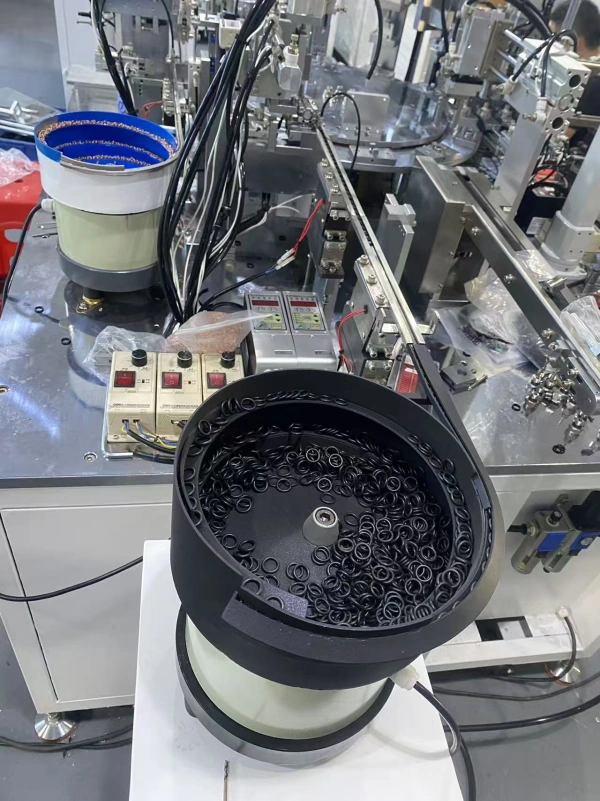
Proper maintenance of an assembly machine is essential to ensure high uptime, consistent product quality, and long equipment life. Below is a structured schedule covering daily, weekly, monthly, quarterly, and yearly tasks.
II. How to Maintain an Assembly Machine
Maintenance includes cleaning, inspection, lubrication, adjustment, and replacement of wear parts. The following sections break it down by frequency.
III. Daily Maintenance (Every Shift)
| Task | Action |
|---|---|
| Clean work area | Remove dust, debris, and foreign objects from the machine surface, tooling, and conveyor. |
| Wipe sensors and lenses | Clean all vision sensors, photoelectric sensors, and camera lenses with a soft, lint‑free cloth. |
| Check oil/mist levels | Verify lubricant levels in pneumatic systems (oil mist units) and centralized lubrication systems. |
| Inspect for abnormal noise | Listen for unusual sounds from motors, conveyors, cylinders, or rotating parts. |
| Check air pressure | Confirm that the air supply is within the specified range (typically 0.5–0.7 MPa). |
| Check fasteners | Tighten any loose bolts, screws, or clamps on tooling and fixtures. |
| Test safety devices | Verify that emergency stops, light curtains, and safety interlocks are functioning correctly. |
IV. Weekly Maintenance
| Task | Action |
|---|---|
| Lubricate moving parts | Apply grease or oil to linear guides, slide rails, bearings, and ball screws per manufacturer recommendations. |
| Check belts and chains | Inspect timing belts, conveyor belts, and drive chains for tension, wear, cracking, or misalignment. |
| Inspect pneumatic system | Check for air leaks, damaged tubing, and worn cylinder seals. Drain water from air filters. |
| Clean electrical cabinets | Use compressed air to remove dust from cooling fans, vents, and contactors. |
| Check tooling wear | Inspect grippers, fingers, suction cups, screwdriver bits, and press tools for wear or damage. |
V. Monthly Maintenance
| Task | Action |
|---|---|
| Calibrate sensors | Verify and adjust the accuracy of position sensors, torque sensors, and vision systems. |
| Check alignment | Ensure that conveyors, guide rails, and tooling are still aligned correctly. Realign if needed. |
| Inspect electrical connections | Tighten all terminal screws and check for signs of overheating, corrosion, or loose cables. |
| Test interlocks | Validate interlock and sequence functions manually to confirm correct operation. |
| Lubricate rotary tables | If the machine has an indexing table, apply grease to the rotary bearing and cam system. |
| Review alarm logs | Check the machine’s alarm history for recurring or unusual events. |
VI. Quarterly Maintenance (Every 3 Months)
| Task | Action |
|---|---|
| Change lubricant | Replace oil or grease in gearboxes, linear actuators, and centralized lubrication systems. |
| Check motor brushes / bearings | If the machine has DC motors, inspect carbon brushes; for AC motors, check bearing noise and temperature. |
| Inspect and clean filters | Replace air intake filters, oil mist filters, and coolant filters. |
| Test emergency stop circuit | Verify that the e‑stop circuit reliably cuts power and halts all motion. |
| Update backup parameters | If the controller uses battery‑backed RAM, check the battery and back up parameters to an external device. |
| Clean and inspect conveyors | Remove built‑up residue, check belt tracking, and adjust tension. |
VII. Yearly / As Needed Maintenance
| Task | Action |
|---|---|
| Full system calibration | Perform a complete machine calibration, including vision system (if fitted), torque sensors, and linear positioners. |
| Replace wear parts | Replace worn grippers, suction cups, timing belts, cylinder seals, and guide bushings. |
| Inspect mechanical joints | Check all hinges, cam followers, linkages, and pivot points for excessive play. |
| Replace batteries | Replace the CMOS backup battery in the controller or PLC (even if not showing low voltage). |
| Check spindle/ motor bearings | For higher‑stress axes, measure bearing play and replace if out of spec. |
| Review software / firmware | Update firmware if recommended by the manufacturer and re‑verify backup. |
| Comprehensive cleaning | Deep‑clean all panels, cooling fins, and fan grilles with a vacuum or compressed air. |
VIII. Summary Table
| 頻度 | Key Actions |
|---|---|
| Daily | Clean; check oil/air; listen for noise; test safety devices; tighten loose bolts |
| Weekly | Lubricate moving parts; inspect belts/ chains; check pneumatic system; clean electrical cabinets; inspect tooling |
| Monthly | Calibrate sensors; check alignment; inspect electrical connections; test interlocks; review alarms |
| Quarterly | Change lubricants; check motor brushes; inspect filters; test e‑stop; back up parameters; clean conveyors |
| Yearly | Full calibration; replace wear parts; inspect joints; replace backup batteries; comprehensive cleaning |
IX. When Is Extra Maintenance Needed?
| Condition | Action |
|---|---|
| After a collision or crash | Inspect for damage; re‑align tooling; check sensors and torque limits |
| After a power outage | Check for parameter loss; test machine cycle; verify emergency stop circuit |
| When product quality drifts | Check tooling wear; re‑calibrate torque sensors and vision system |
| When cycle time increases | Check lubrication; inspect for mechanical binding; review program logic |
| When abnormal vibration occurs | Inspect bearings, belts, and mounts; check for loose fasteners |
 Japanese
  English
  Spanish (Mexico)
  Czech
Czech  Arabic
  Russian
  German
  French
  Turkish
  Italian
  Ukrainian
  Polish
  Romanian
  Bengali
  Portuguese (Portugal)
  Thai
Thai  Korean
  Hebrew
  Uzbek
Uzbek  Hindi
Hindi  Slovak
  Vietnamese
  Portuguese (Brazil)
  Spanish (Peru)
  Spanish (Spain)
  Spanish (Venezuela)
レビュー
レビューはまだありません。