
Category Archives: Centrifugal Feeder
Centrifugal Feeder Questions and Answers Blog Post.
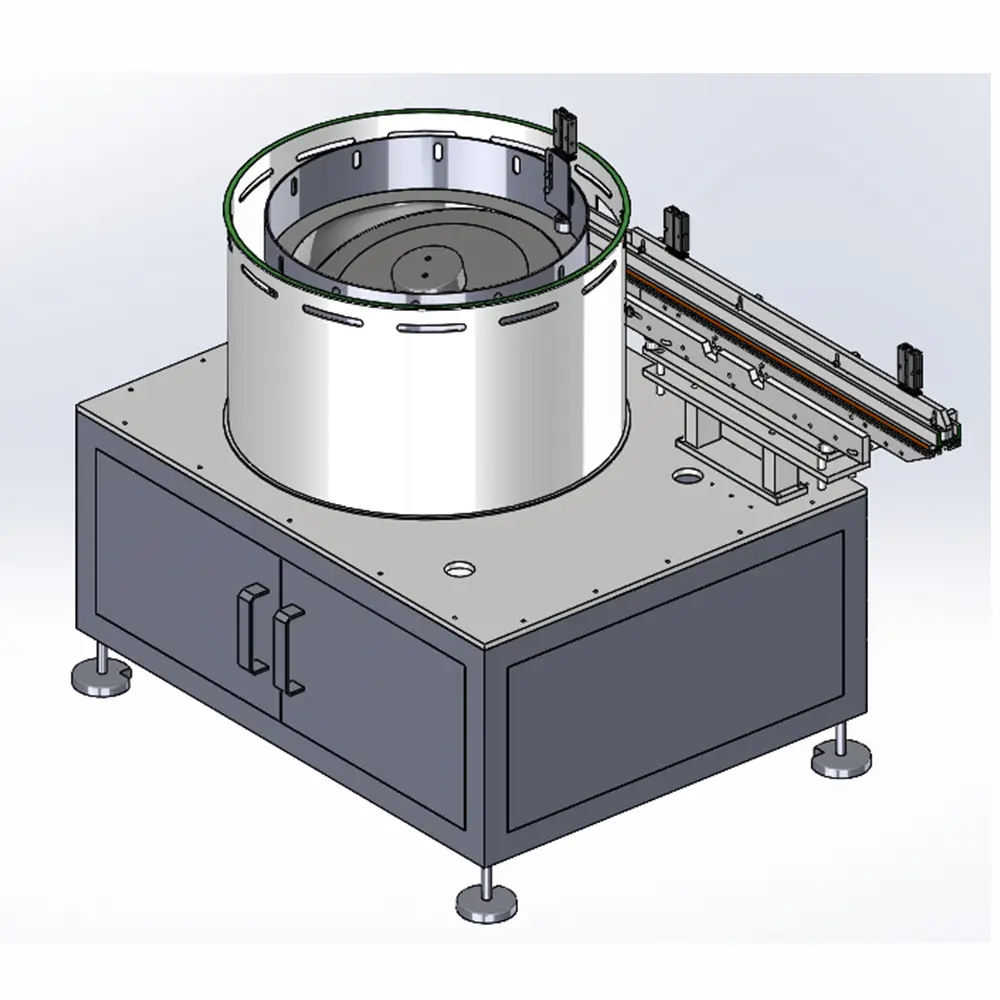
The speed of a centrifugal feeder is one of its standout features. It typically achieves higher and smoother feeding rates compared to vibratory bowls for suitable parts. Speed Range and Advantages High-Speed Range: For small, uniform parts, centrifugal feeders can easily achieve speeds ranging from hundreds to thousands of parts per minute. Speeds between 1000 to 4000 PPM are common. […]
The working principle of a centrifugal feeder can be summarized in the following core steps: Rotation Generates Centrifugal Force Process: Parts are loaded into a stationary outer bowl. A motor-driven rotating disc at the center spins. Friction between the disc and the parts causes them to move. Core Principle: The rotation generates strong centrifugal force, which pushes the […]
Centrifugal Feeders excel at handling parts that are challenging for traditional vibratory bowls due to their gentle, high-speed, and tangle-free feeding action. Parts Prone to Tangling or Interlocking This is the most classic and advantageous application for centrifugal feeders. Examples: All types of springs (compression, extension, torsion), O-rings, jewelry chains, wires, small hardware chains. Reason: The combination of the rotating disc and stationary […]
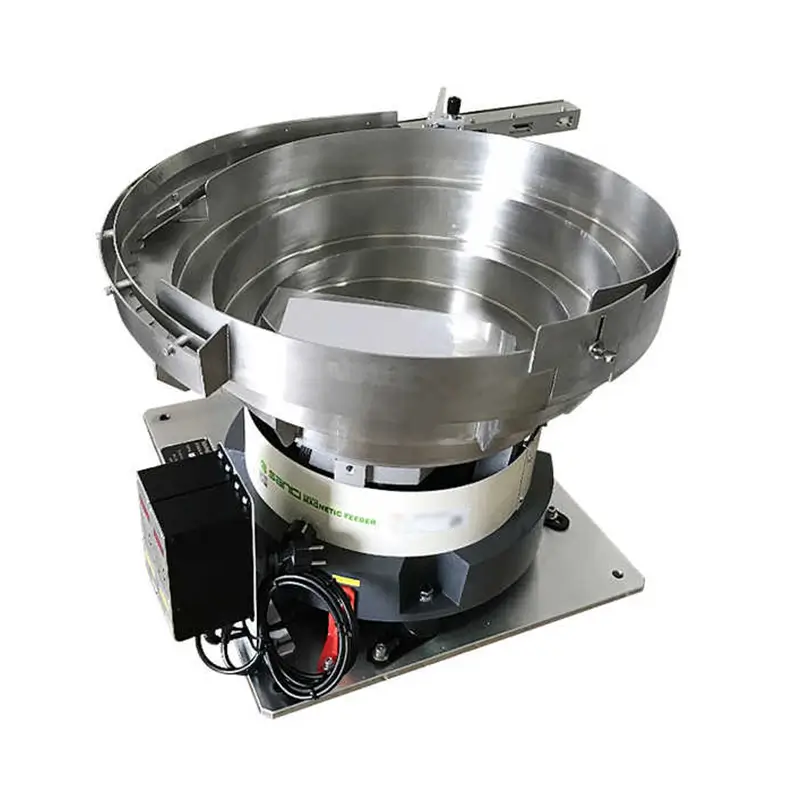
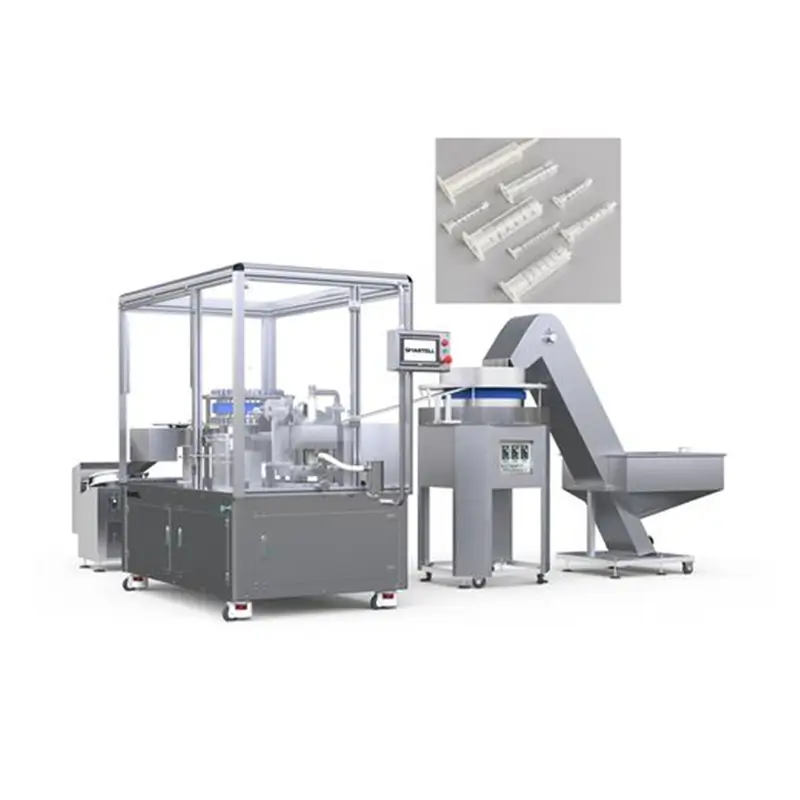
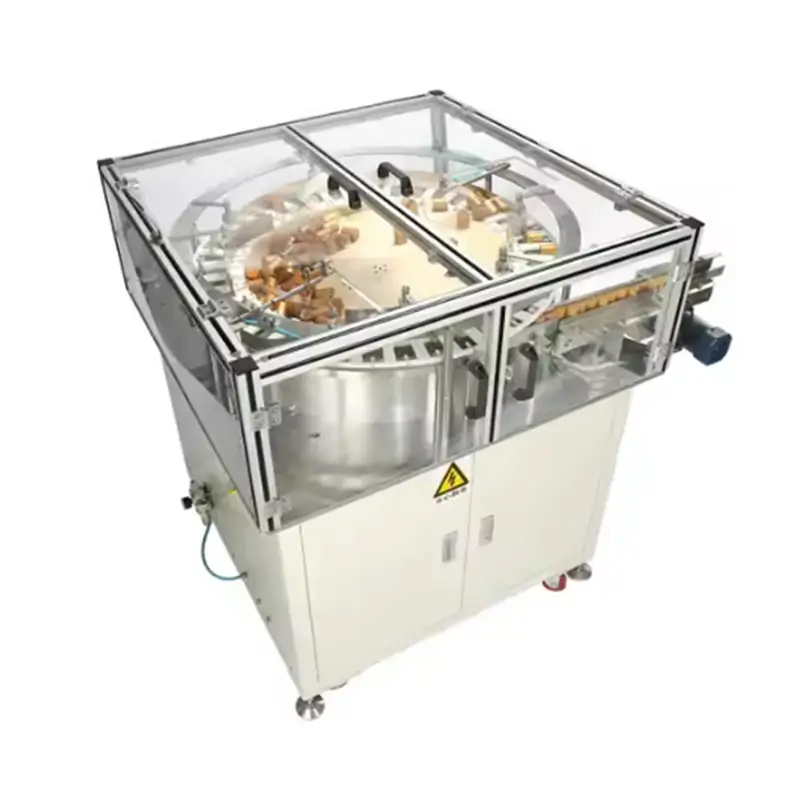
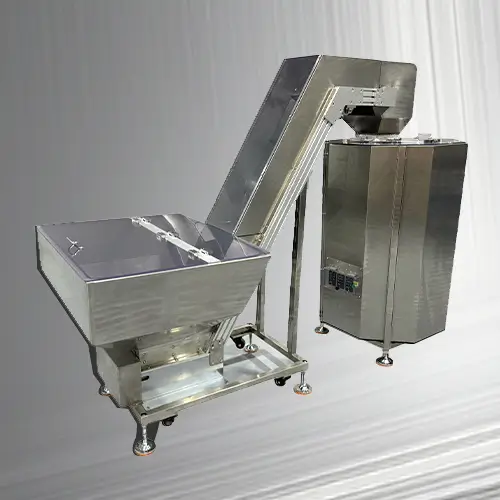
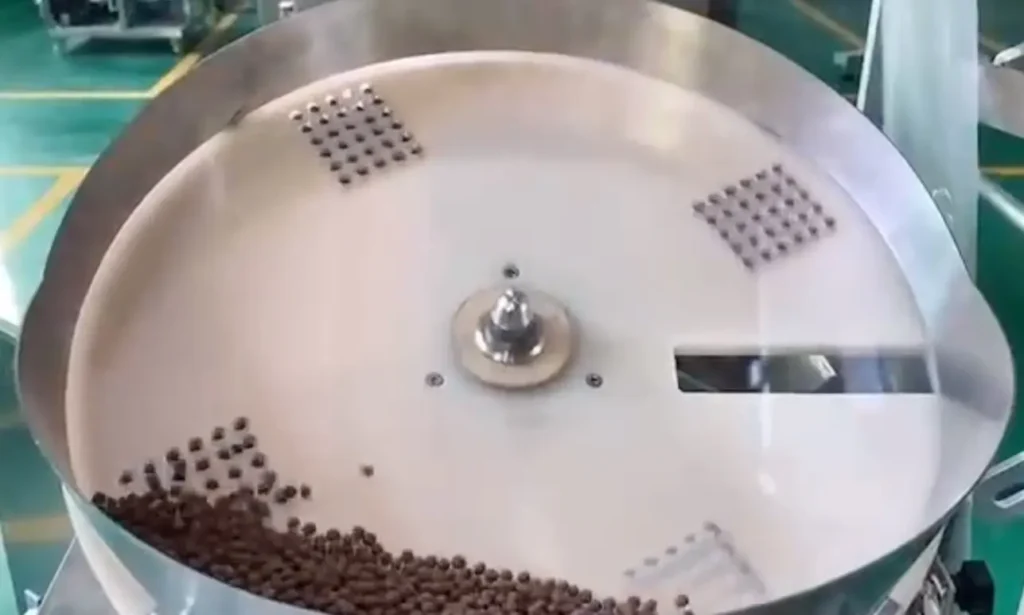
Introduction Accuracy and efficiency are crucial in the pharmaceutical industry, especially in the pill packaging process. The centrifugal feeder plays a vital role in automating two key functions: sorting and counting. Manufacturers can significantly streamline operations while maintaining precise pill counts by integrating a centrifugal feeder bowl into pill packaging machines. This blog explores how […]
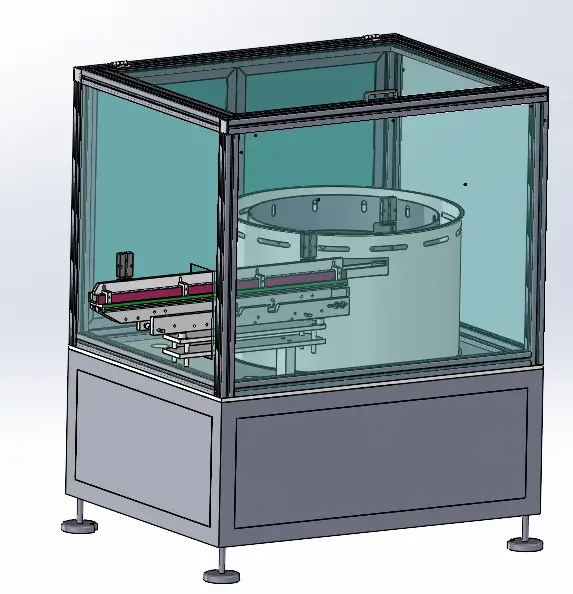
What is a Centrifugal Feeder? A centrifugal feeder, also known as a centrifugal bowl feeder, is a mechanical device designed to orient and feed parts or components in a controlled and consistent manner. Utilizing centrifugal force, these feeders arrange parts in a precise orientation and deliver them to the next stage of the manufacturing process. […]
- 1
- 2
 English
  Spanish (Mexico)
  Czech
Czech  Arabic
  Russian
  German
  French
  Turkish
  Italian
  Ukrainian
  Polish
  Romanian
  Bengali
  Portuguese (Portugal)
  Thai
Thai  Japanese
  Korean
  Hebrew
  Uzbek
Uzbek  Hindi
Hindi  Slovak
  Vietnamese
  Portuguese (Brazil)
  Spanish (Peru)
  Spanish (Spain)
  Spanish (Venezuela)