
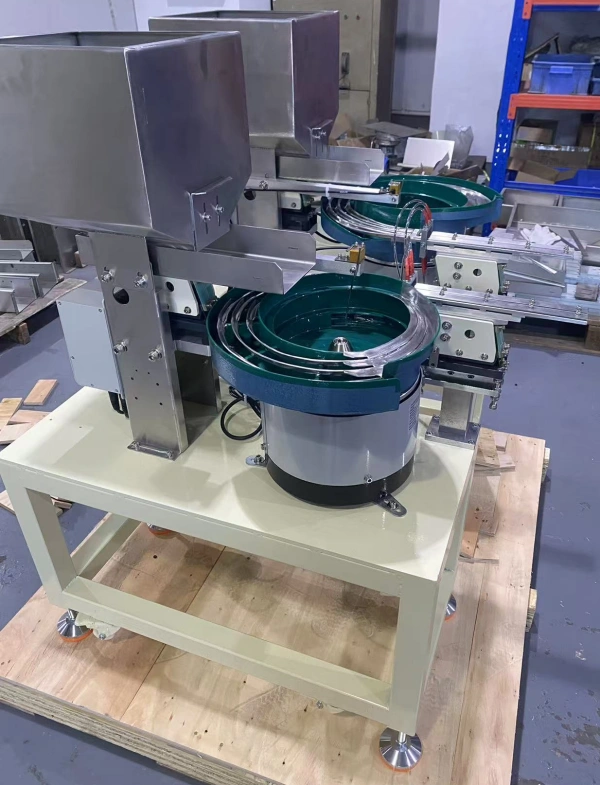
While vibrating screens are essential equipment for particle size separation, they face several challenges in practical applications. The main pain points are as follows:
I. Technical & Performance Pain Points
Screen Mesh Blinding / Clogging
Description: Fine particles become lodged in the screen openings, reducing open area and screening efficiency.
Impact: Decreased throughput, frequent cleaning downtime, inconsistent product quality.
Screen Mesh Wear and Breakage
Description: Continuous abrasive action from materials causes screen media to wear out or tear, especially with hard or sharp particles.
Impact: Frequent screen replacement costs, unplanned downtime, risk of oversize particles passing through.
Inefficient Fine Particle Separation
Description: Screening fine materials (e.g., below 100 mesh) becomes increasingly difficult as particles tend to agglomerate or adhere to surfaces.
Impact: Low separation efficiency, high recirculation loads, poor product quality.
Material Build-Up and Adhesion
Description: Sticky, moist, or oily materials adhere to screen surfaces, causing blockages and uneven material distribution.
Impact: Reduced effective screening area, need for frequent cleaning, inconsistent performance.
Vibration Isolation Issues
Description: Insufficient isolation can transmit vibration to surrounding structures, causing noise and potential damage.
Impact: Safety concerns, structural fatigue, regulatory noise compliance issues.
II. Operational & Maintenance Pain Points
Frequent Maintenance Requirements
Description: Screens require regular inspection, tensioning, and replacement of screen media, bearings, and springs.
Impact: High labor costs, unplanned downtime, reduced overall equipment effectiveness.
Difficult Screen Changeover
Description: Changing screen mesh for different product grades is often time-consuming and labor-intensive.
Impact: Long changeover times reduce production flexibility, especially in high-mix operations.
Imbalance and Vibration Instability
Description: Uneven material feed or wear can cause imbalance in the vibration system, leading to erratic motion and poor performance.
Impact: Reduced screening efficiency, accelerated wear on bearings and springs, safety risks.
Noise Pollution
Description: Vibrating screens generate significant noise during operation, especially with metal screen media and high vibration amplitudes.
Impact: Worker discomfort, hearing safety concerns, regulatory compliance issues.
III. Material-Related Pain Points
Moisture Sensitivity
Description: High-moisture materials cause clogging, adhesion, and poor stratification.
Impact: Sharp decline in screening efficiency; may require drying pre-treatment.
Abrasive Materials
Description: Hard, sharp materials accelerate wear on screen media, springs, and structural components.
Impact: Shortened equipment lifespan, increased replacement costs.
Sticky or Cohesive Materials
Description: Materials with high clay content or surface adhesion tend to agglomerate and blind the screen.
Impact: Requires specialized self-cleaning screen media or frequent cleaning cycles.
IV. Economic & Operational Efficiency Pain Points
High Energy Consumption
Description: Vibrating screens require significant power to generate and maintain vibration, especially for large units.
Impact: Increased operating costs; energy efficiency concerns.
Limited Flexibility for Multi-Grade Separation
Description: Standard screens typically produce only two or three size fractions; multi-deck configurations increase complexity and cost.
Impact: May require multiple screening stages for complex grading needs.
Integration Challenges
Description: Integrating screens with upstream and downstream equipment (feeders, crushers, conveyors) requires careful design and synchronization.
Impact: Extended commissioning time; compatibility issues with existing systems.
High Replacement Part Costs
Description: Screen media, bearings, springs, and vibrator components are costly to replace, especially for large or specialty screens.
Impact: Significant maintenance budget allocation.
Summary Table: Key Pain Points
| Category | Pain Point | Impact |
|---|---|---|
| Technical | Mesh blinding / clogging | Reduced throughput, frequent cleaning |
| Technical | Mesh wear and breakage | Replacement costs, downtime |
| Technical | Poor fine particle separation | Low efficiency, quality issues |
| Operational | Frequent maintenance | High labor costs, downtime |
| Operational | Difficult changeover | Long setup times, low flexibility |
| Operational | Noise pollution | Worker discomfort, compliance |
| Material | Moisture sensitivity | Clogging, efficiency loss |
| Material | Abrasive materials | Accelerated wear, short lifespan |
| Economic | High energy consumption | Increased operating costs |
| Economic | High replacement part costs | Large maintenance budget |
Summary: The pain points of vibrating screens center around mesh maintenance, material handling challenges, operational downtime, and economic costs. Effective solutions include selecting appropriate screen media (e.g., self-cleaning mesh), implementing proper feed control, regular maintenance schedules, and considering advanced technologies such as high-frequency screens or ultrasonic systems for fine or sticky materials.

 English
  Spanish (Mexico)
  Czech
Czech  Arabic
  Russian
  German
  French
  Turkish
  Italian
  Ukrainian
  Polish
  Romanian
  Bengali
  Portuguese (Portugal)
  Thai
Thai  Japanese
  Korean
  Hebrew
  Uzbek
Uzbek  Hindi
Hindi  Slovak
  Vietnamese
  Portuguese (Brazil)
  Spanish (Peru)
  Spanish (Spain)
  Spanish (Venezuela)