Introduce
Manufacturers face growing pressure to improve production efficiency while controlling labor costs. Custom assembly automation offers a practical solution for companies with unique products or complex assembly processes.
Standard machines may not match every product structure or production requirement. Custom assembly systems give manufacturers more control over feeding, positioning, assembly, inspection, and product handling.
1. Higher Production Efficiency
Custom assembly automation handles repetitive production tasks at a steady speed. Manufacturers can reduce manual operations and maintain a more consistent production cycle.
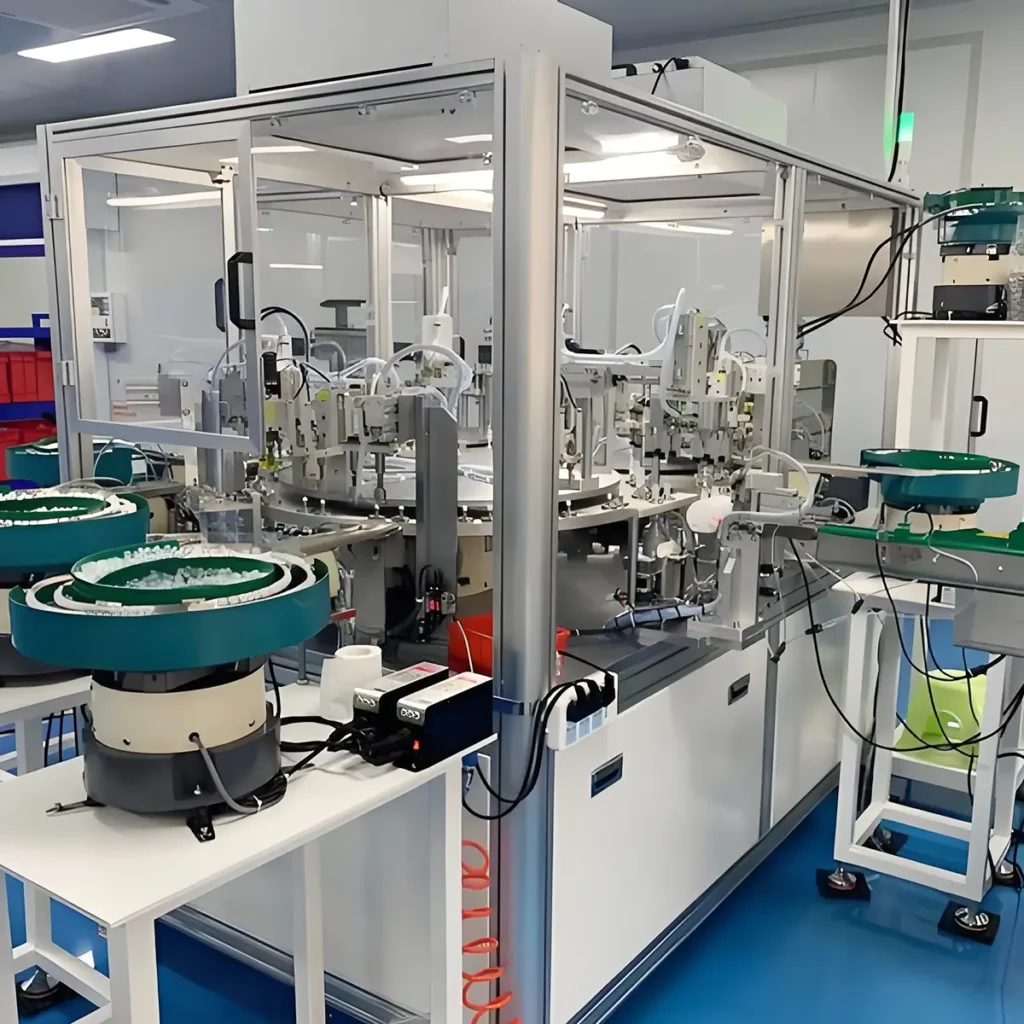
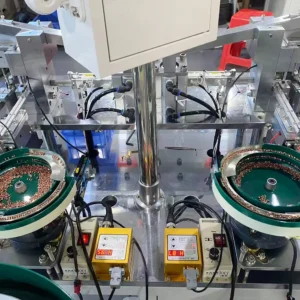
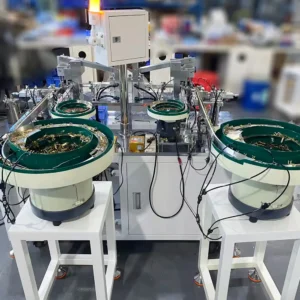
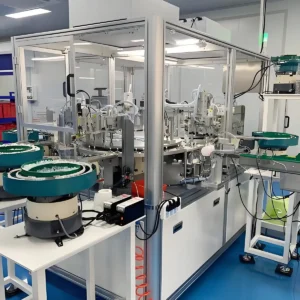
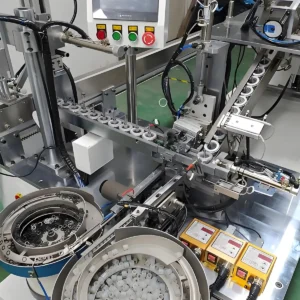
The machine can combine feeding, positioning, assembly, inspection, and discharge into one production process. This setup helps reduce unnecessary product handling between different workstations.
2. Lower Labor Costs
Manual assembly requires workers to repeat the same operations throughout the production day. Custom automation reduces the amount of repetitive work and allows operators to focus on machine monitoring and other important tasks.
Companies can also reduce production costs when they automate high-volume assembly processes.
3. More Consistent Assembly Quality
Manual assembly can produce differences between operators, especially during long production runs. Automated systems control key operations such as positioning, pressing, fastening, riveting, and dispensing.
Vision inspection systems can also check component position, product appearance, and assembly results during production.
4. Better Handling of Complex Products
Some products require multiple components and several assembly steps. Custom assembly automation can connect these operations into one machine.
| Assembly Requirement | Custom Automation Solution |
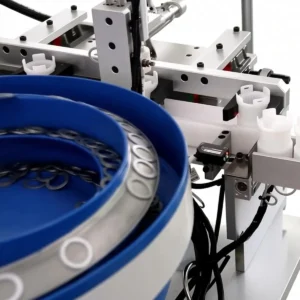
| Small components | Vibratory bowl feeders or flexible feeding systems |
| Multiple assembly steps | Integrated automatic assembly stations |
| Screw fastening | Automatic screw feeding and fastening |
| Press fitting | Servo or pneumatic press systems |
| Product inspection | Vision inspection systems |
| Product testing | Automatic testing stations |
| Product transfer | Conveyors or robotic handling |
| High-volume production | Multi-station automatic assembly machines |
5. Flexible Production
Custom machines can match different product structures and production requirements. Manufacturers can also add feeding systems, robots, inspection units, and testing functions according to the production process.
This flexibility makes custom assembly automation suitable for products that standard machines cannot handle efficiently.
6. Easier Process Integration
Custom assembly machines can connect several automation technologies within one production line.
Common equipment includes:
- Vibratsiyali idish oziqlantiruvchilar
- Santrifüj oziqlantiruvchilar
- Flex oziqlantiruvchilar
- Bosqichli oziqlantiruvchilar
- Delta robots
- Vision inspection systems
- Screw feeding systems
- Automatic testing units
- Conveyors
- Labeling systems
Integrating these systems helps manufacturers reduce manual transfer between production steps.
7. Better Production Control
Automation gives manufacturers better control over production speed, assembly sequence, component feeding, and inspection.
Production data can also support quality checks and process management. Manufacturers can adjust machine settings when product requirements or production targets change.
When Should Manufacturers Choose Custom Assembly Automation?
Custom assembly automation works especially well for companies that handle:
- High-volume production
- Complex assembly processes
- Small or precision components
- Multiple assembly steps
- Strict quality requirements
- High labor costs
- Repetitive manual operations
- Customized product structures
Companies should consider custom automation when standard assembly machines cannot meet the required production speed, quality, or process layout.
Custom Assembly Automation from SWOER
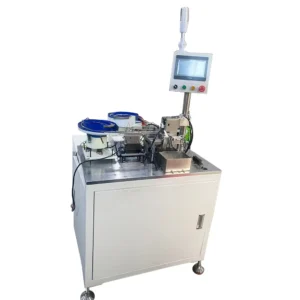
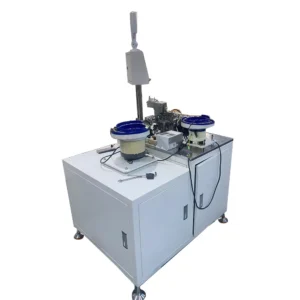
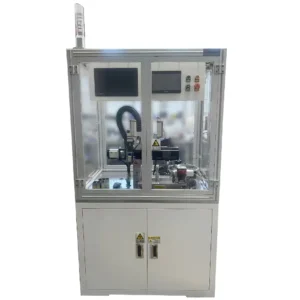
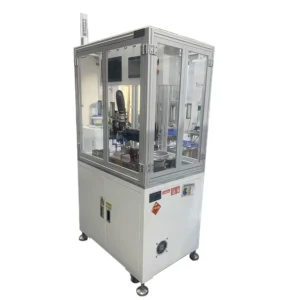
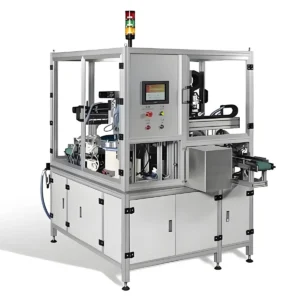
SWOER designs custom assembly machines according to product drawings, samples, assembly processes, and production targets.
The engineering team can develop the machine structure and 3D design for customer review before production. The final system can combine feeding, assembly, inspection, testing, robotic handling, and product discharge.
Customers can also receive installation guidance and technical support after delivery.
Xulosa
Custom assembly automation can help manufacturers improve production efficiency, reduce labor costs, and maintain stable assembly quality.
More importantly, custom machines can match specific products and production processes. Manufacturers can therefore automate complex operations without forcing their products to fit the limits of standard equipment.
Companies looking for a custom assembly machine can provide product drawings, samples, production volume, and assembly requirements to SWOER for an initial automation assessment.
Get the solution
 Uzbek
Uzbek  English
  Spanish (Mexico)
  Czech
Czech  Arabic
  Russian
  German
  French
  Turkish
  Italian
  Ukrainian
  Polish
  Romanian
  Bengali
  Portuguese (Portugal)
  Thai
Thai  Japanese
  Korean
  Hebrew
  Hindi
Hindi  Slovak
  Vietnamese
  Portuguese (Brazil)
  Spanish (Peru)
  Spanish (Spain)
  Spanish (Venezuela)