
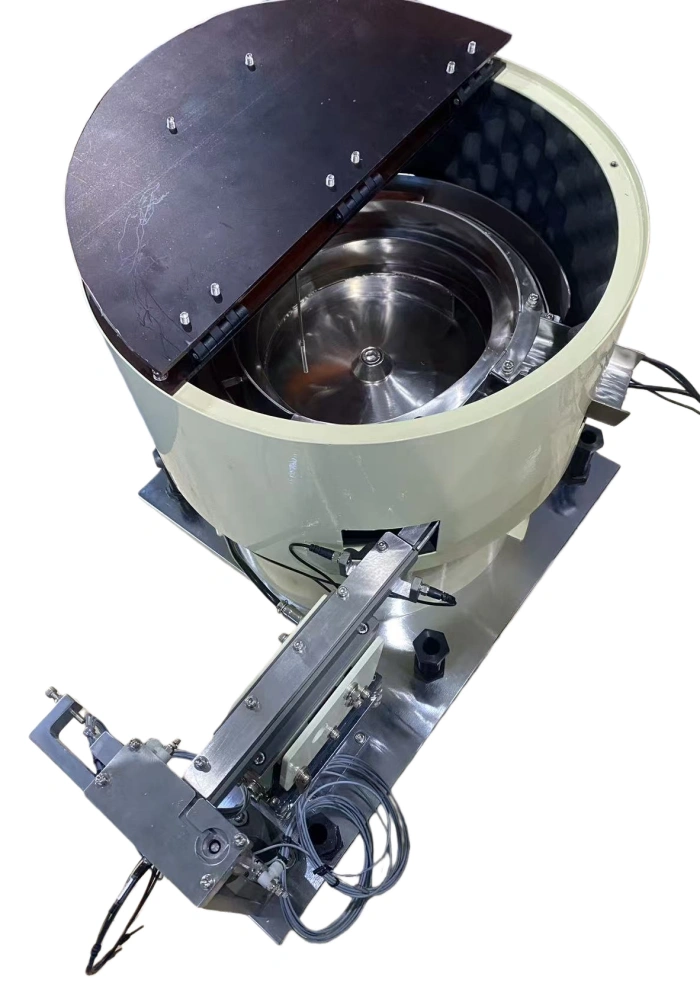
I. How a Vibratory Bowl Feeder Works with an Electric Screwdriver? The vibratory bowl feeder acts as the automated screw supply source, delivering screws one by one to the screwdriver in the correct orientation. Step Action 1 Bulk screws are loaded into the vibratory bowl feeder 2 The bowl vibrates, moving screws up a spiral track […]
Muallif arxivi: 张
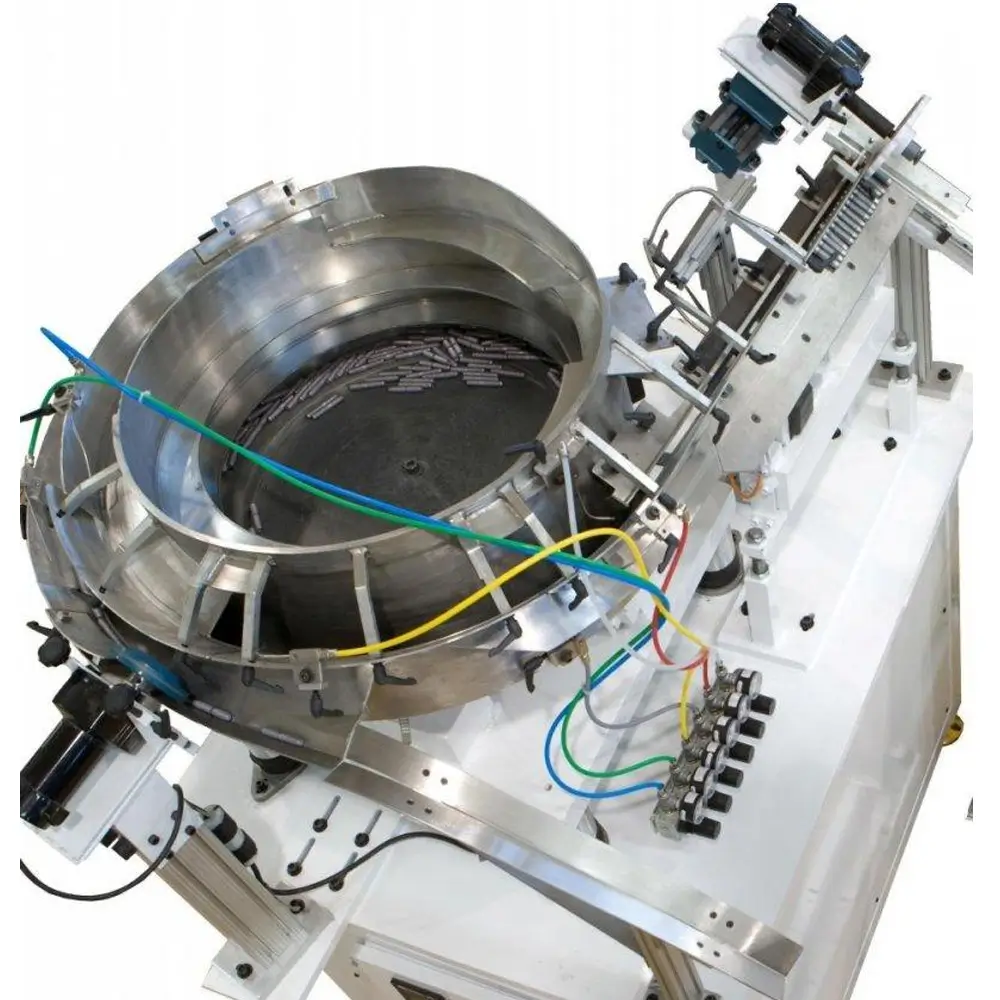
Bolt length sorting is an important step in fastener manufacturing. Different bolt lengths can cause problems during assembly. Manual inspection also takes time and may lead to sorting errors. SWOER provides custom vibratory bowl feeder systems for automatic bolt feeding and sorting. The system can work with sensors, cameras, and mechanical sorting units. It helps […]
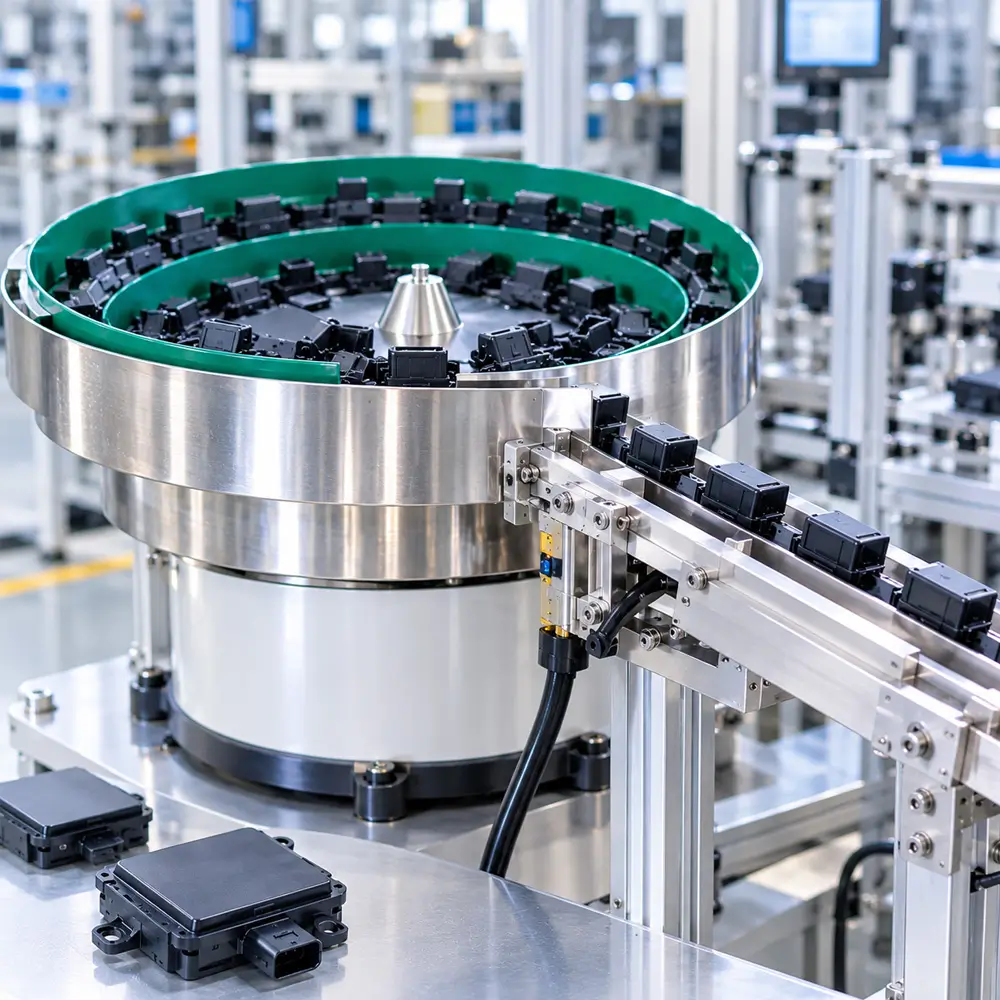
Automotive radar systems play an important role in modern vehicle safety and driver assistance. Their production requires accurate component feeding and stable assembly processes. Manufacturers need reliable feeding equipment to handle small radar housings, electronic components, connectors, and other precision parts. A custom automotive radar vibratory bowl feeder helps arrange these components in the correct […]
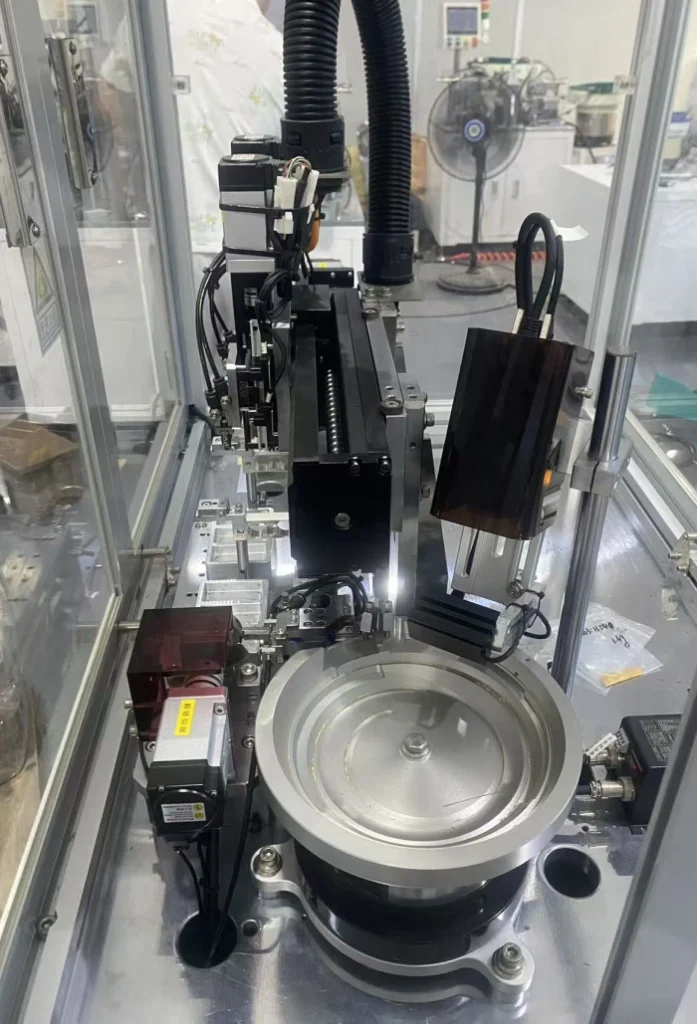
I. Quick Answer Yes, a vibratory bowl feeder can work together with a riveting machine. This is a common automation configuration where the bowl feeder sorts, orients, and supplies rivets one by one to the riveting machine, enabling continuous, high-speed riveting without manual loading. II. Principle of Operation Step Action 1 Bulk rivets are loaded into the […]
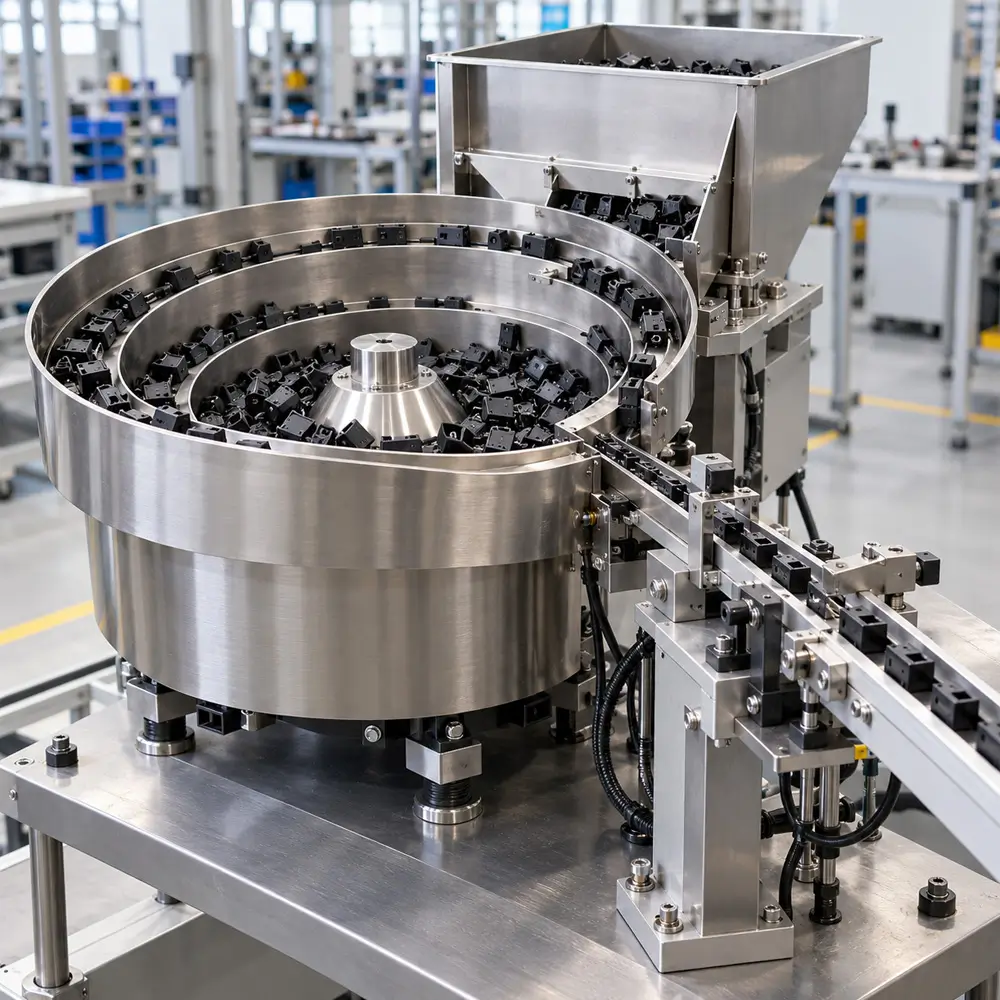
Getting quotes for a vibratory bowl feeder for switches starts with clear part and production requirements. Switch housings, buttons, contacts, and springs each present different feeding challenges. Price alone cannot show whether a feeder will suit your assembly process. The quotation should also explain the required orientation, output rate, equipment scope, and machine connection. This […]

Choosing between vibratory bowl feeder manufacturers starts with your parts and production requirements. The feeder must deliver components in the correct orientation, at the required rate, and in a position the next machine can use. Price matters, but so do tooling quality, part handling, testing, and access for maintenance. Problems in any of these areas […]
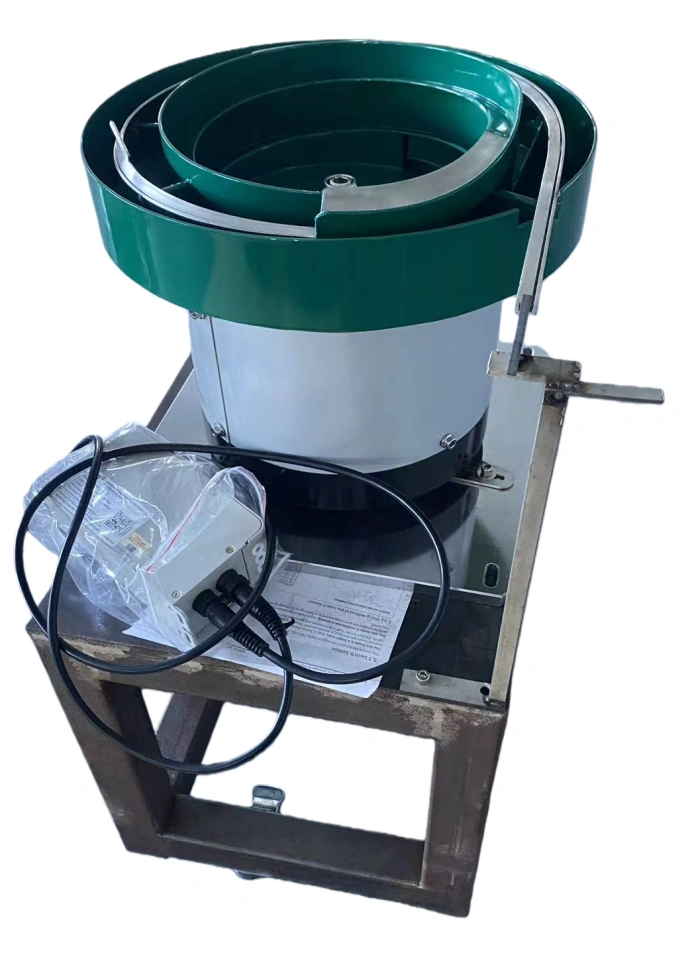
I. Quick Answer Price difference: Yes, centrifugal feeders are significantly more expensive than standard vibratory bowl feeders — typically 2–5 times the price for comparable part sizes and feed rates. Which has more advantages: Neither is universally better. Centrifugal feeders win on speed, gentle handling, and low noise. Vibratory bowls win on cost, orientation precision, and flexibility for complex shapes. II. Price […]
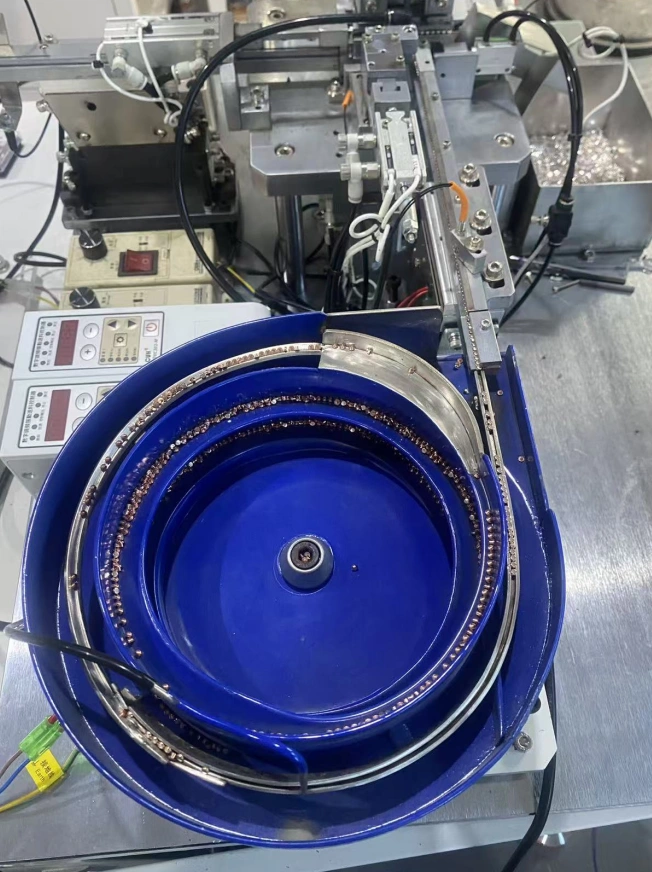
I. Quick Answer A vibratory bowl feeder with a conveyor belt is suitable for products that require longer transfer distances, buffering, or gentle handling after being sorted and oriented by the bowl. It is particularly useful when the downstream machine is located some distance away from the bowl, or when parts need to be accumulated before the next operation. […]
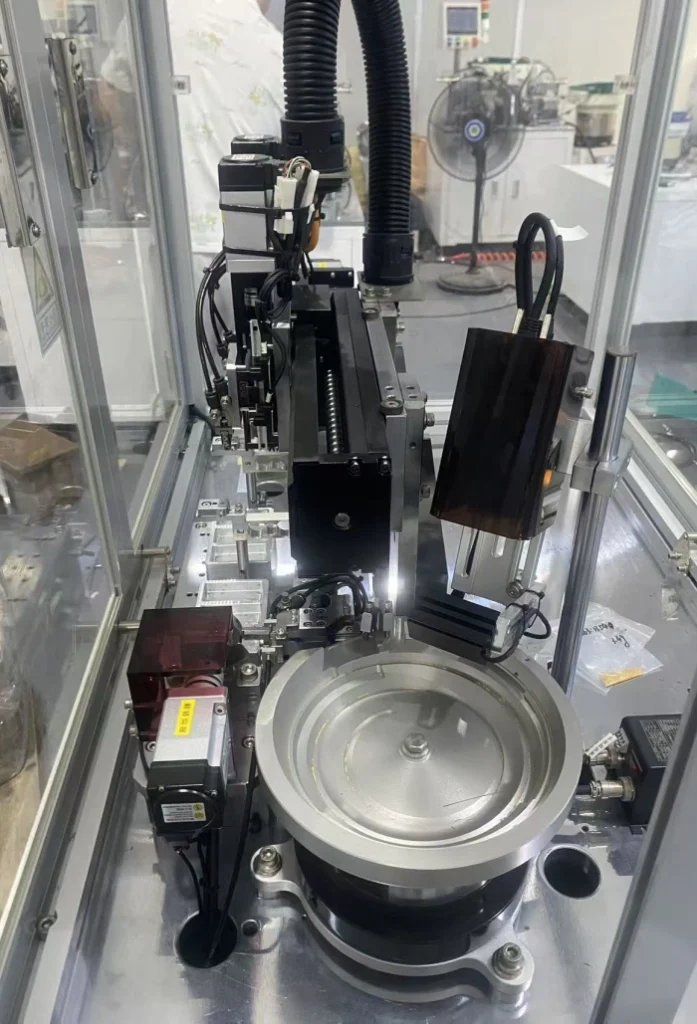
I. Overview A chip assembly machine (also called a die bonder, pick-and-place machine, or chip mounter) is used to pick up bare dies or packaged chips and place them precisely onto substrates, PCBs, or lead frames. Its advantages include the following: II. Key Advantages Advantage Description High Precision Places chips with placement accuracy typically ±5–25 […]
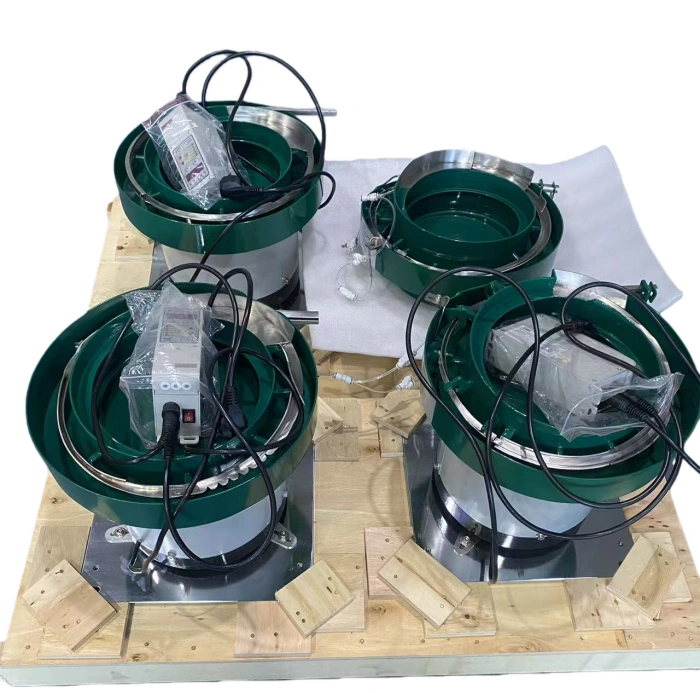
Neither is universally “better” — the choice depends on your part characteristics, transfer distance, speed, orientation requirements, and budget. Linear vibrator is better for short-distance, high-speed, precise orientation retention. Conveyor belt is better for long-distance transfer, heavier parts, or when orientation is not critical. II. Detailed Comparison Feature Vibratory Bowl + Linear Vibrator Vibratory Bowl + Conveyor Belt Working […]
 Uzbek
 English
 Spanish (Mexico)
 Czech
 Arabic
 Russian
 German
 French
 Turkish
 Italian
 Ukrainian
 Polish
 Romanian
 Bengali
 Portuguese (Portugal)
 Thai
 Japanese
 Korean
 Hebrew
 Hindi
 Slovak
 Vietnamese
 Portuguese (Brazil)
 Spanish (Peru)
 Spanish (Spain)
 Spanish (Venezuela)