
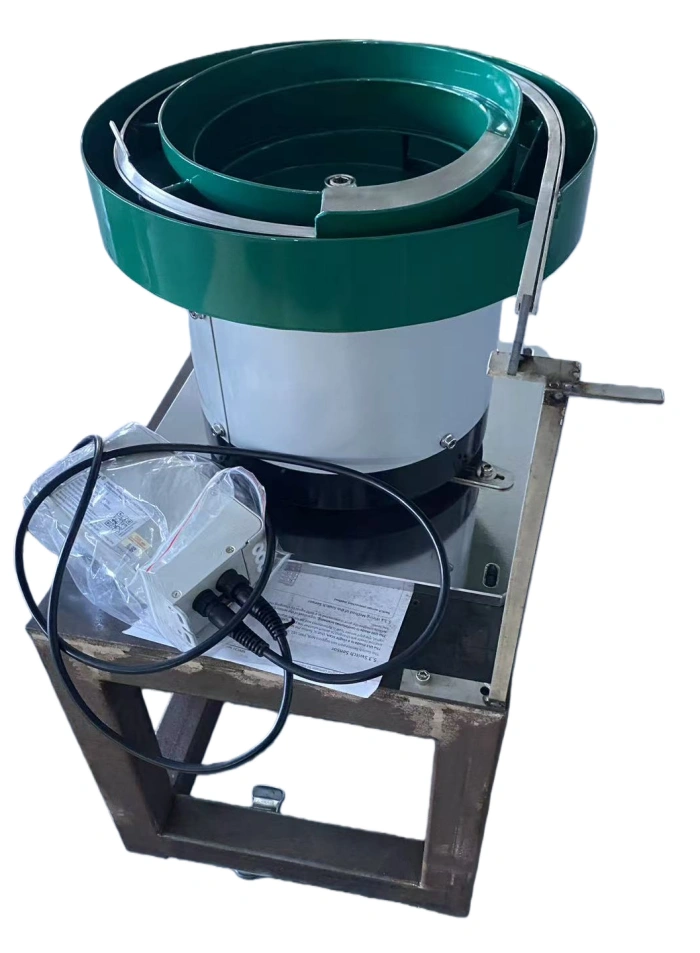
I. Quick Answer Price difference: Yes, centrifugal feeders are significantly more expensive than standard vibratory bowl feeders — typically 2–5 times the price for comparable part sizes and feed rates. Which has more advantages: Neither is universally better. Centrifugal feeders win on speed, gentle handling, and low noise. Vibratory bowls win on cost, orientation precision, and flexibility for complex shapes. II. Price […]
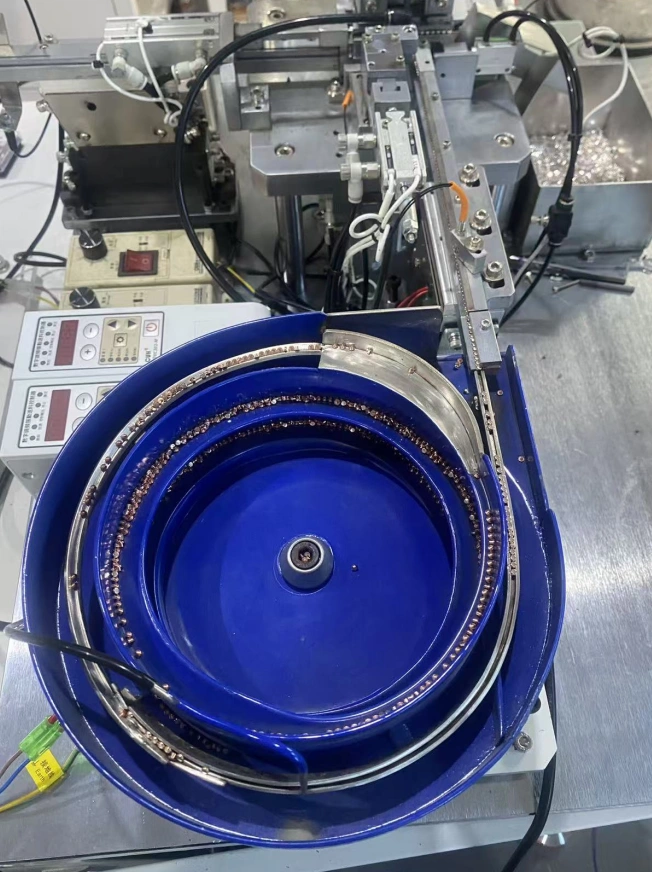
I. Quick Answer A vibratory bowl feeder with a conveyor belt is suitable for products that require longer transfer distances, buffering, or gentle handling after being sorted and oriented by the bowl. It is particularly useful when the downstream machine is located some distance away from the bowl, or when parts need to be accumulated before the next operation. […]
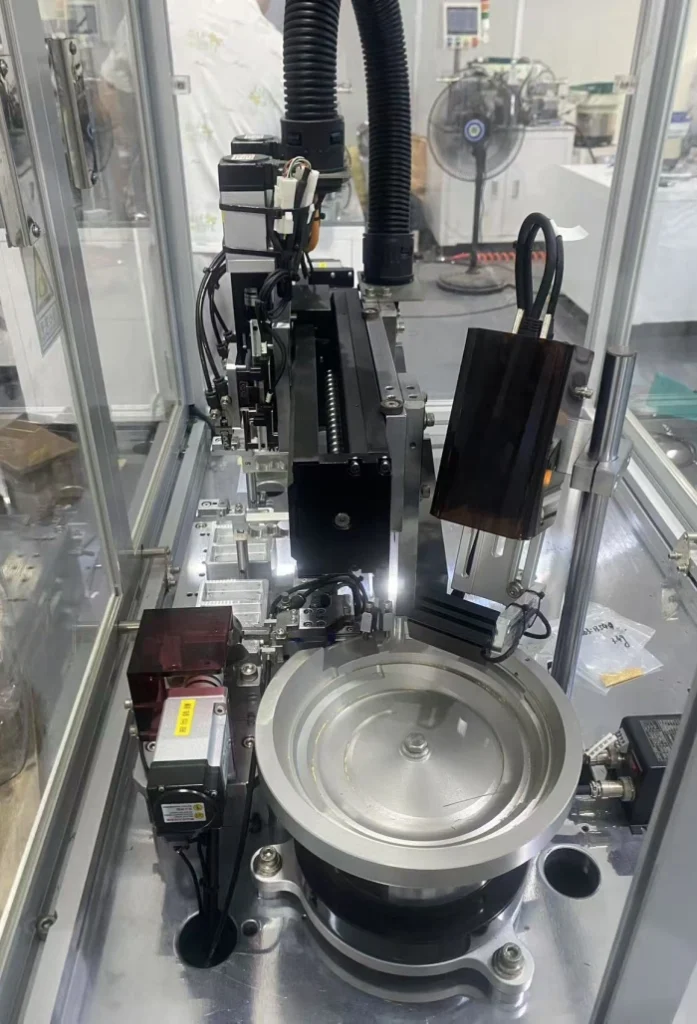
I. Overview A chip assembly machine (also called a die bonder, pick-and-place machine, or chip mounter) is used to pick up bare dies or packaged chips and place them precisely onto substrates, PCBs, or lead frames. Its advantages include the following: II. Key Advantages Advantage Description High Precision Places chips with placement accuracy typically ±5–25 […]
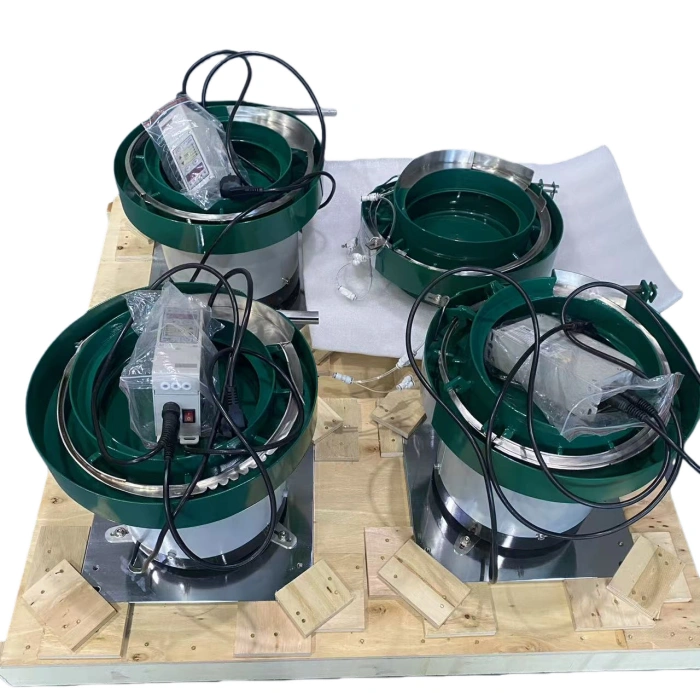
Neither is universally “better” — the choice depends on your part characteristics, transfer distance, speed, orientation requirements, and budget. Linear vibrator is better for short-distance, high-speed, precise orientation retention. Conveyor belt is better for long-distance transfer, heavier parts, or when orientation is not critical. II. Detailed Comparison Feature Vibratory Bowl + Linear Vibrator Vibratory Bowl + Conveyor Belt Working […]
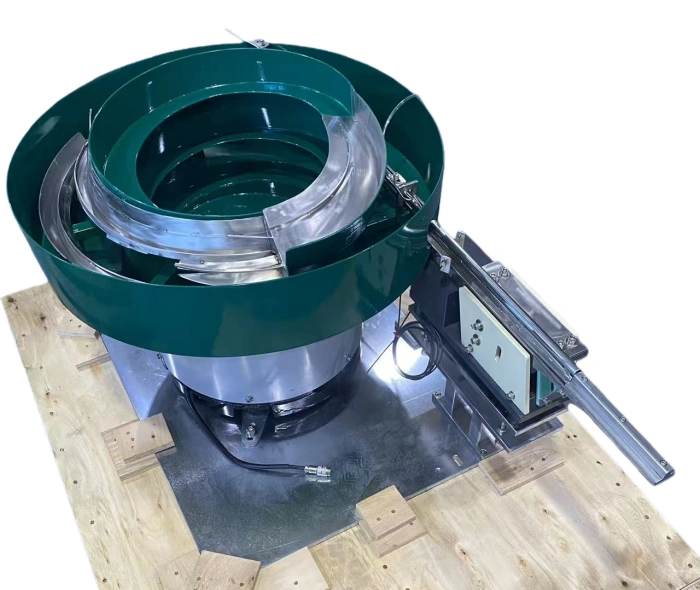
I. Quick Answer Generally, no. A vibratory bowl feeder typically cannot match the maximum speed of a centrifugal feeder, especially for small, symmetrical parts. However, in some specific applications with optimized design and suitable parts, a vibratory bowl can approach the speed of a lower-capacity centrifugal feeder. II. Speed Comparison Parameter Vibratory Bowl Feeder Centrifugal Feeder Typical Speed […]
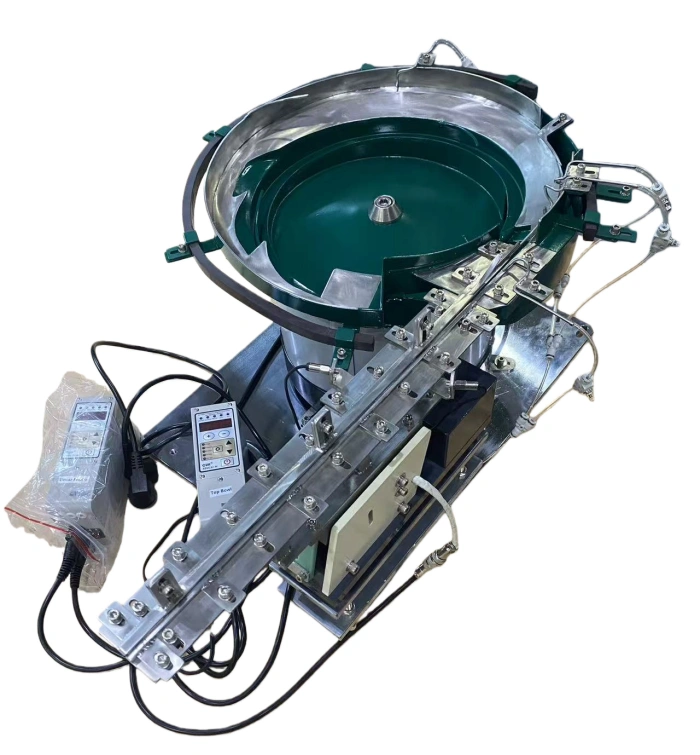
I. How a Vibratory Bowl Feeder Works with an Assembly Machine The vibratory bowl feeder acts as the parts supply source for the assembly machine. Its role is to sort, orient, and singulate parts, then deliver them one by one to the assembly machine’s pick-up point. The typical workflow is as follows: Step Action 1 Bulk parts are […]
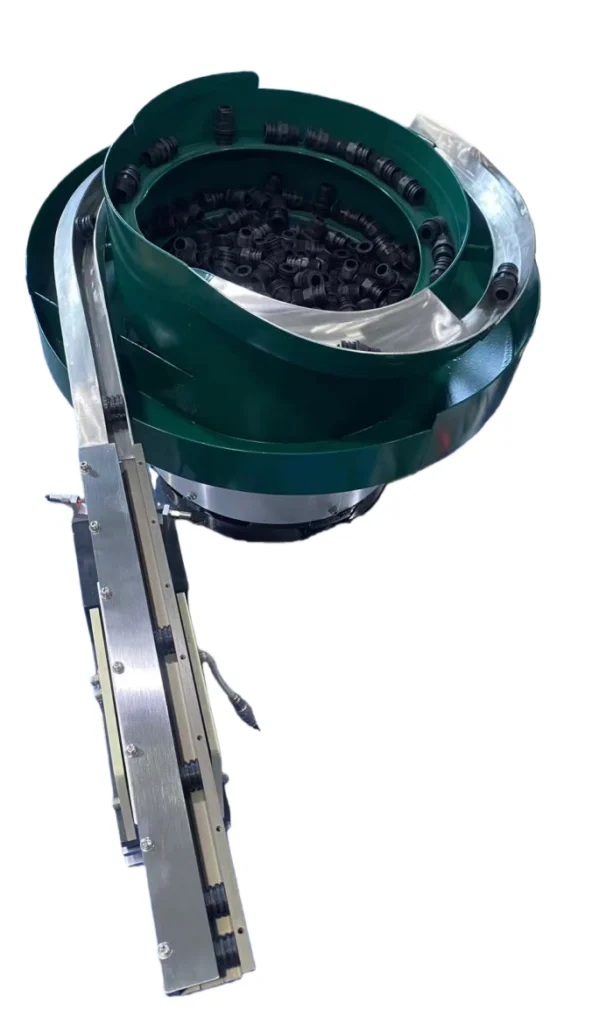
I. Functions of a Vibratory Bowl Feeder with a Counter A vibratory bowl feeder equipped with a counter (either a standalone counting module or integrated into a PLC/HMI) provides the following functions: Function Description Real-Time Counting Counts each part as it passes a sensor at the discharge point or on the linear track Batch Counting […]
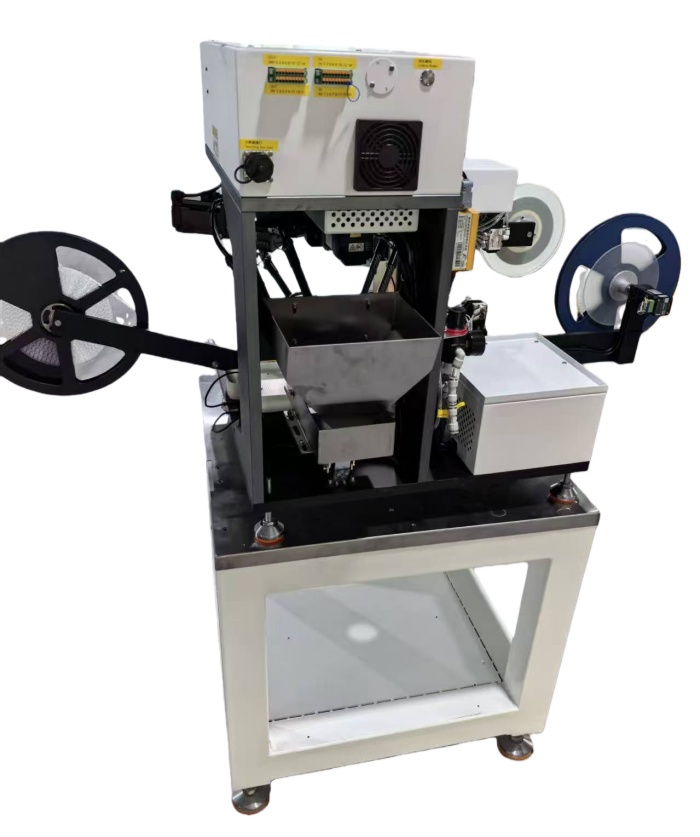
I. Functions of a Taping Machine A taping machine (also called a carrier tape sealing machine or SMT tape packaging machine) packages electronic components into carrier tape for automated surface mount assembly. Its main functions are: Function Description Component Feeding Feeds components from vibratory bowls, tube feeders, tray feeders, or reels Orientation & Placement Orients […]
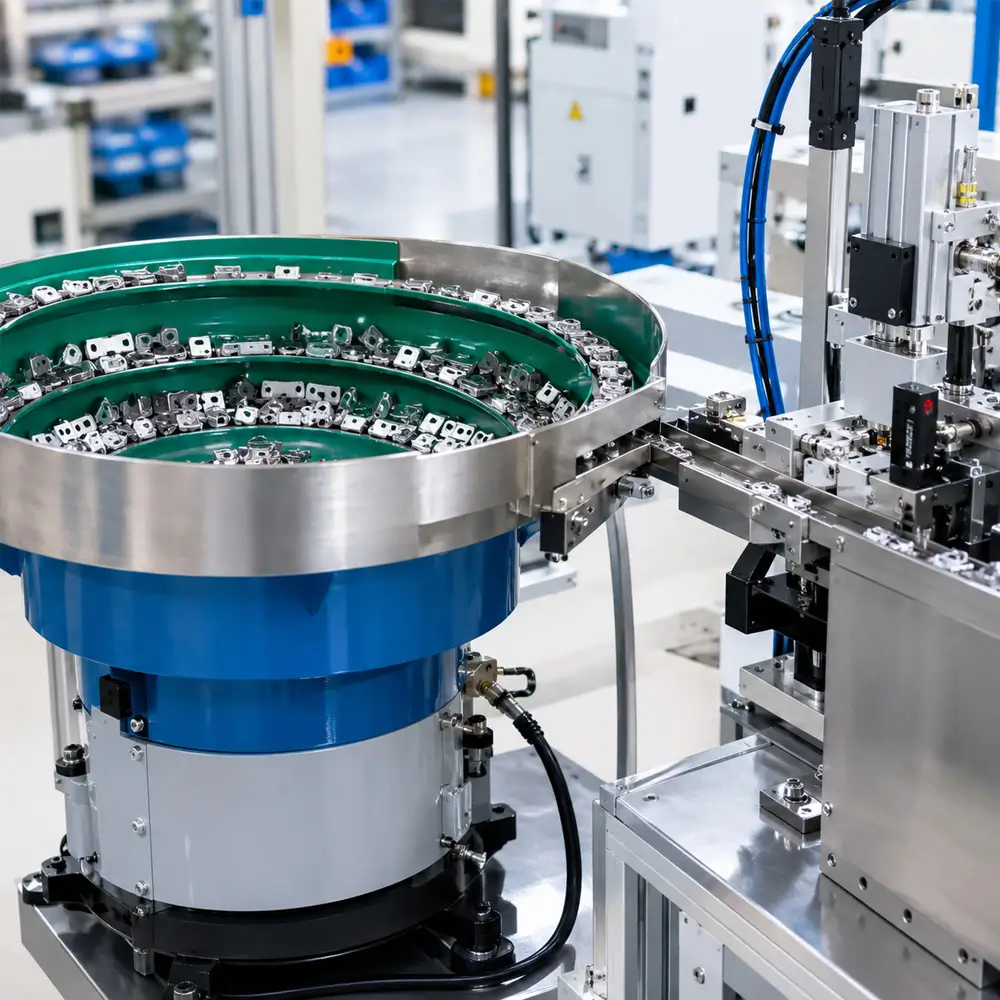
Vibratory bowl feeders help manufacturers automate the feeding and positioning of small parts. They are widely used with assembly machines, packaging equipment, inspection systems, and other production equipment. When looking for vibratory bowl feeder manufacturers in the USA, buyers need to consider more than the equipment price. Part shape, feeding speed, orientation, machine integration, and […]
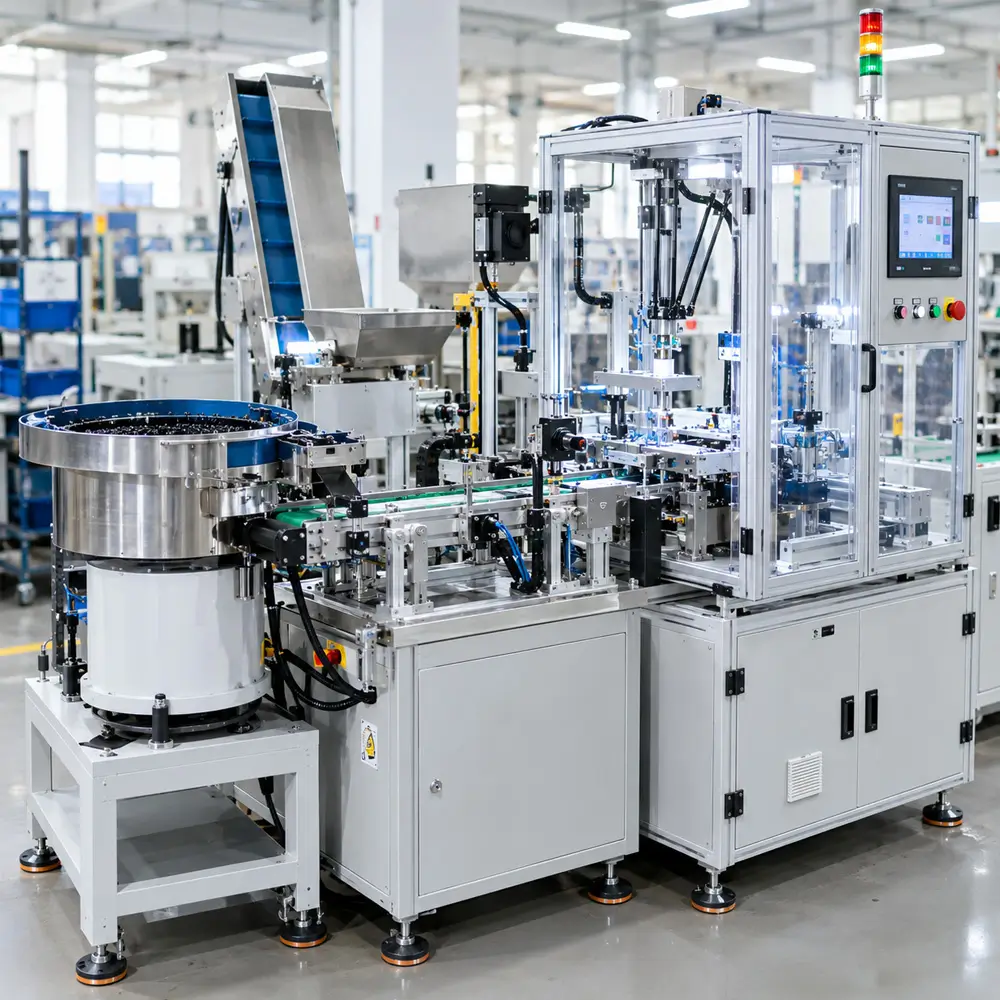
Germany has a strong market for industrial automation and custom assembly equipment. Many manufacturers provide automatic assembly machines, testing systems, robotic cells, feeding systems, and complete production lines. German assembly machine manufacturers serve industries such as automotive, electronics, medical devices, electrical products, and consumer goods. Some companies focus on complete production lines, while others specialize […]
 Turkish
  English
  Spanish (Mexico)
  Czech
Czech  Arabic
  Russian
  German
  French
  Italian
  Ukrainian
  Polish
  Romanian
  Bengali
  Portuguese (Portugal)
  Thai
Thai  Japanese
  Korean
  Hebrew
  Uzbek
Uzbek  Hindi
Hindi  Slovak
  Vietnamese
  Portuguese (Brazil)
  Spanish (Peru)
  Spanish (Spain)
  Spanish (Venezuela)