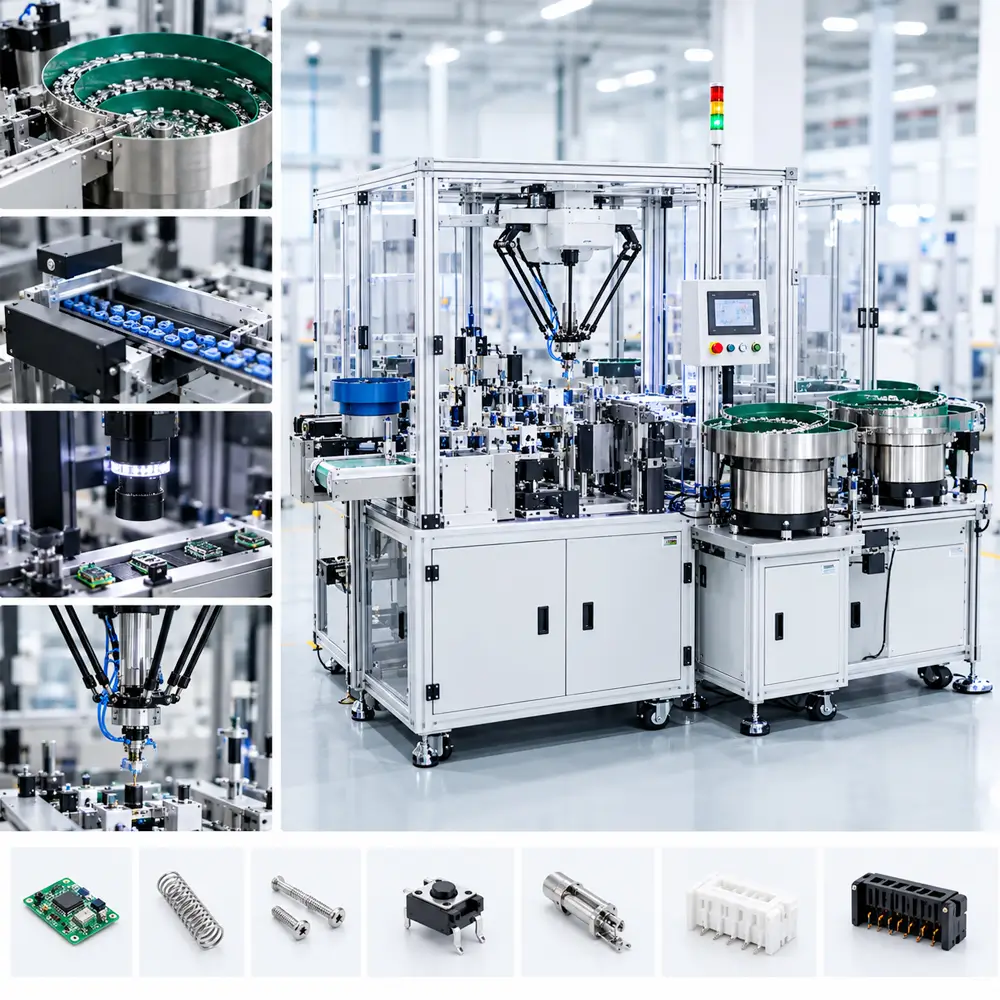
What Is Electronics Assembly Equipment? Electronics assembly equipment helps manufacturers build electronic products with better speed, accuracy, and consistency. Modern production lines use different machines for feeding, assembly, inspection, testing, and packaging. Equipment selection depends on the product structure, production volume, part size, and assembly process. Common applications include connectors, switches, circuit breakers, sensors, small […]
Arhive categorie: Assembly Machine
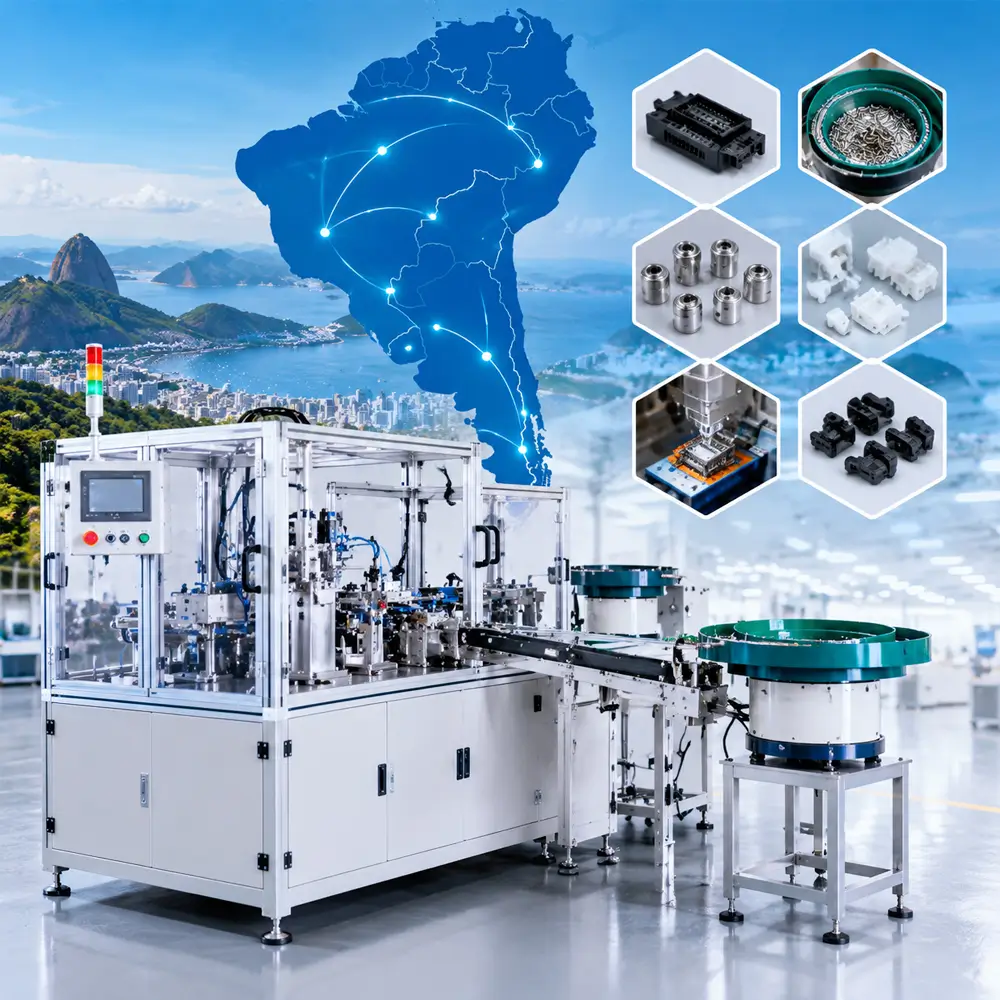
Introduction Manufacturers in South America are increasing their demand for automated production systems to improve efficiency, reduce labor costs, and achieve stable product quality. Finding the right custom assembly solutions supplier in South America helps companies build production lines that match their product design, assembly process, and output requirements. SWOER provides customized automation solutions, including […]

Small batch production needs a different approach from high-volume manufacturing. Production volumes may change often, and product designs can require frequent adjustments. Choosing the right assembly system can reduce labor costs, improve production quality, and keep your line flexible. For small batch work, fully automatic systems are not always the best choice. Semi-automatic and modular […]
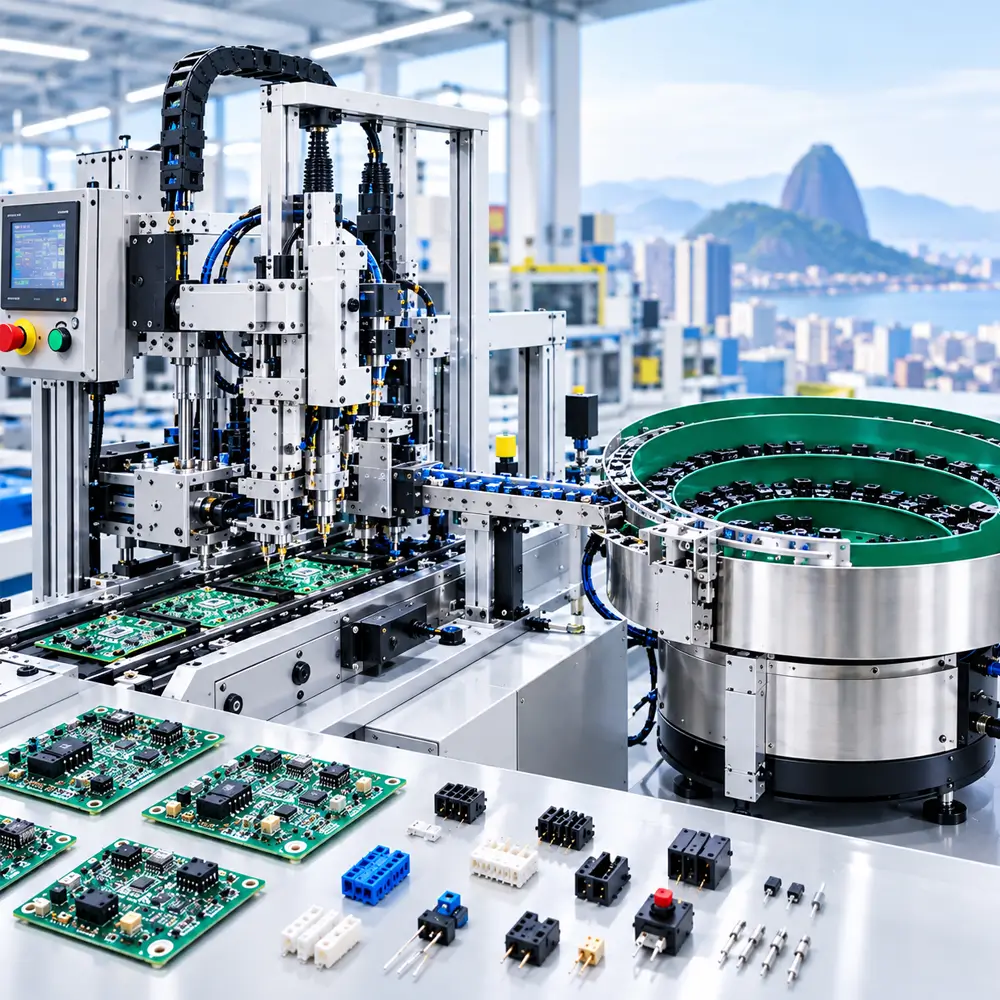
Why Electronics Manufacturers in Brazil Need Automated Assembly Machines Electronics production requires stable feeding, accurate assembly, and consistent output. Manual assembly can increase labor costs and reduce production speed. Automated assembly machines can handle repeated production tasks with better consistency. Manufacturers in Brazil can use automation for products such as: Electronic connectors Switches Circuit breakers […]
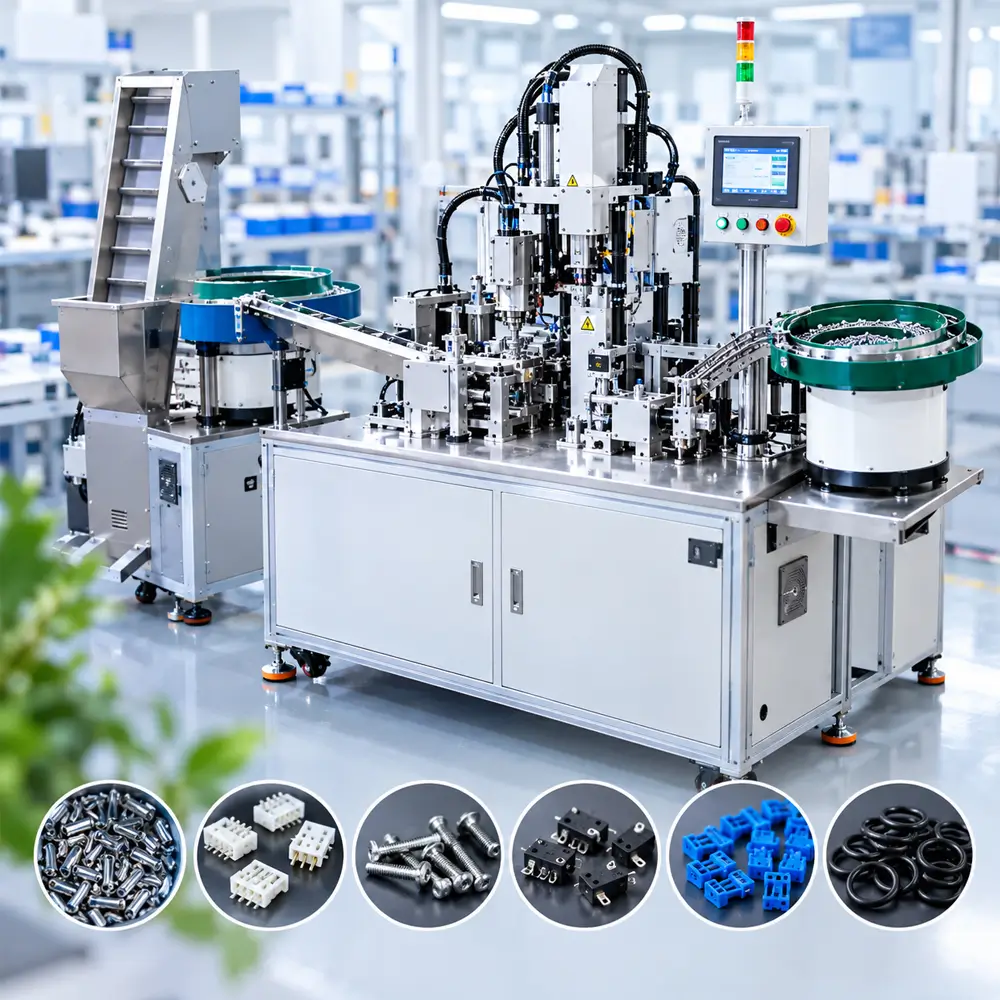
Why Small Businesses Need the Right Assembly Machine Small businesses often have limited production space and budgets. They also need flexible equipment that can match changing production needs. Choosing the right assembly machine can reduce manual work. It can also improve production speed and product consistency. Standard machines may not fit every product. Different parts […]
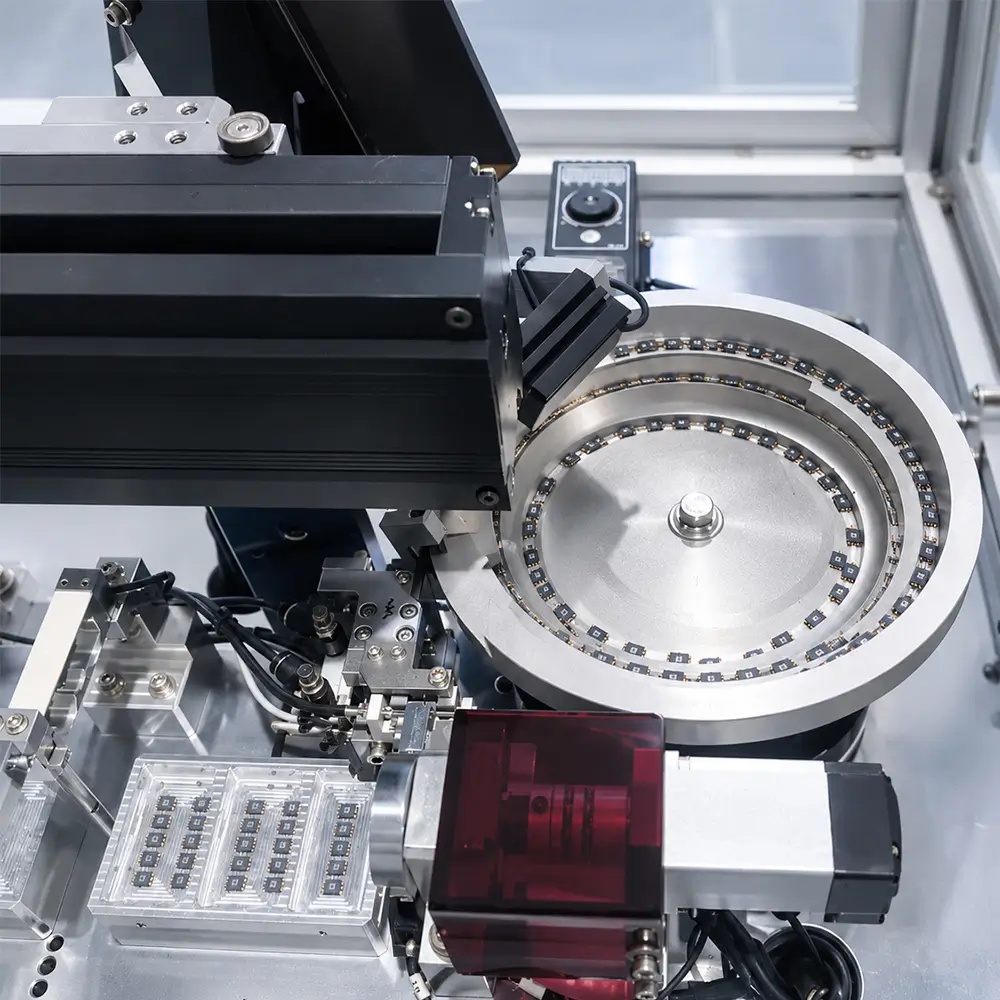
Introduction Electronic components such as chips require accurate positioning before assembly. Manual feeding creates problems including inconsistent supply, incorrect placement and lower production efficiency. A chip feeding system solves these challenges by organizing components and delivering them to the assembly station automatically. SWOER designs customized chip feeding solutions that integrate with automatic assembly machines for […]
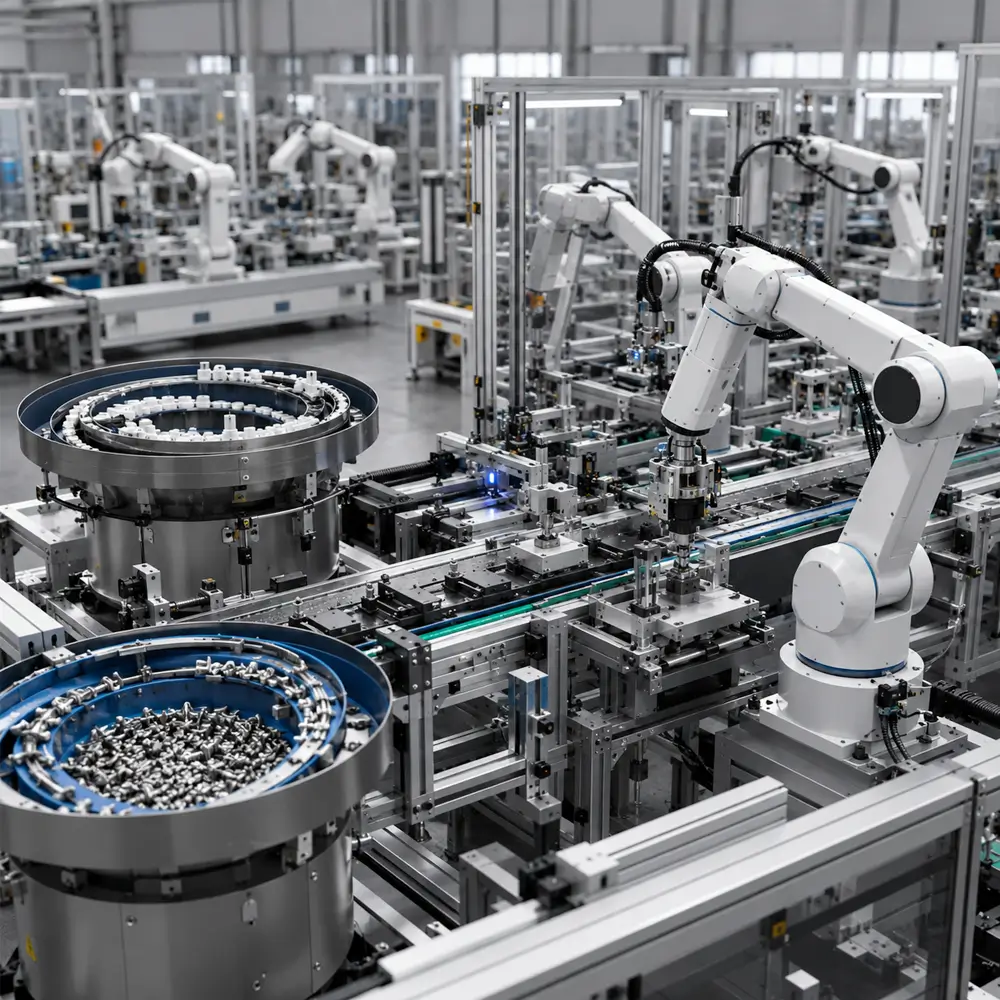
Automated assembly lines help manufacturers handle repetitive assembly tasks with less manual work. Good line design also helps control cycle time, product quality, and production costs. However, every product requires a different automation setup. Part size, assembly steps, production volume, feeding method, and inspection requirements all affect the final system. The following practices can help […]
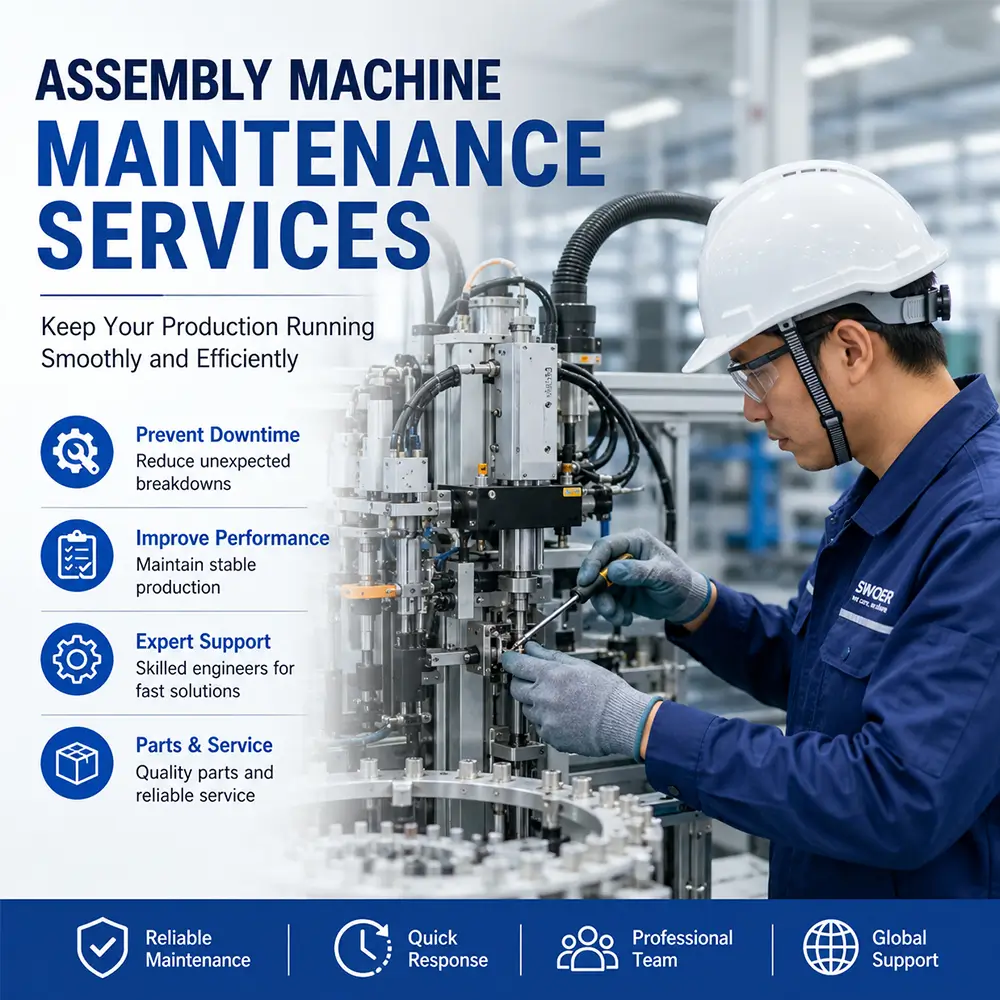
Why Assembly Machine Maintenance Services Matter for Production Assembly machines operate continuously in modern manufacturing plants. Regular maintenance helps companies prevent unexpected downtime and maintain stable production performance. Manufacturers rely on professional maintenance teams to inspect equipment, solve technical problems, and improve machine operation. Poor maintenance can lead to production delays, higher repair costs, and […]
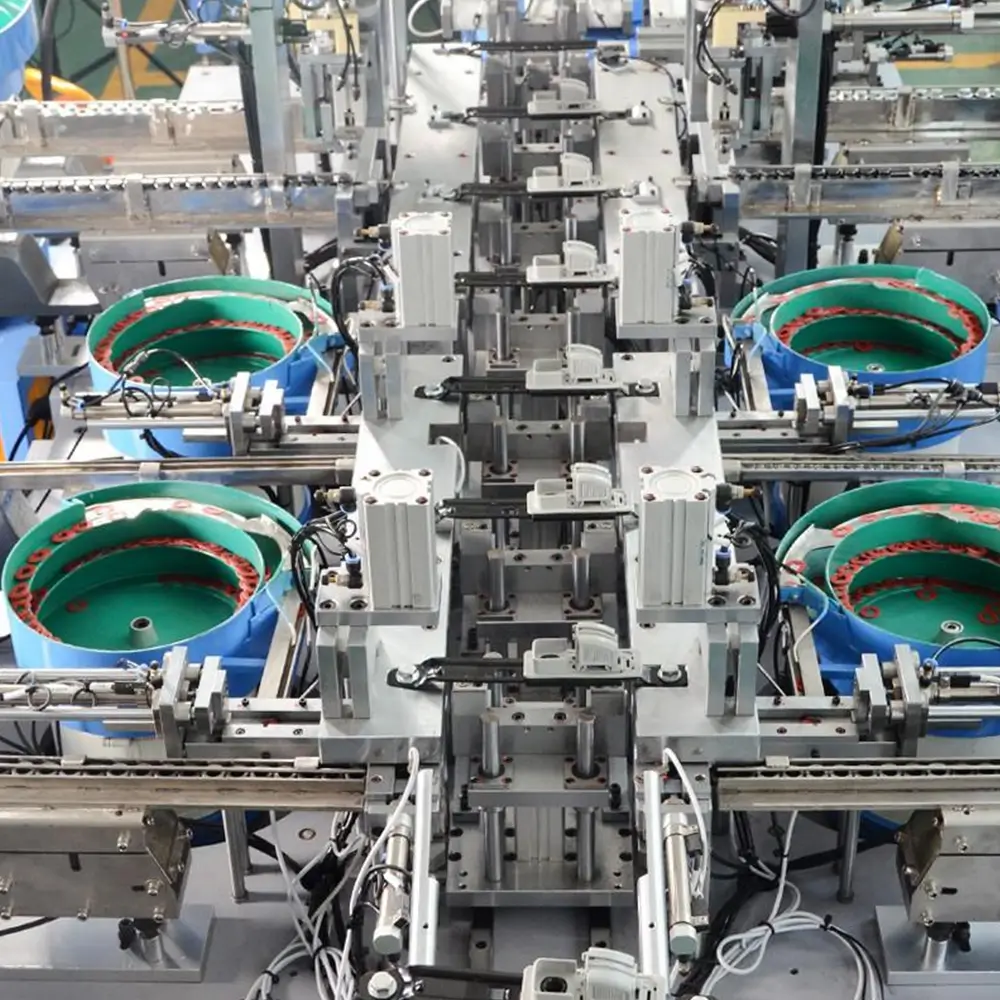
Automotive parts require accurate assembly, stable production, and consistent quality. Manual assembly can work for low-volume production, but higher output often requires better control and repeatability. Automatic assembly machines help manufacturers feed, position, assemble, test, and inspect automotive components with less manual work. Manufacturers can also combine several production steps into one machine. For companies […]
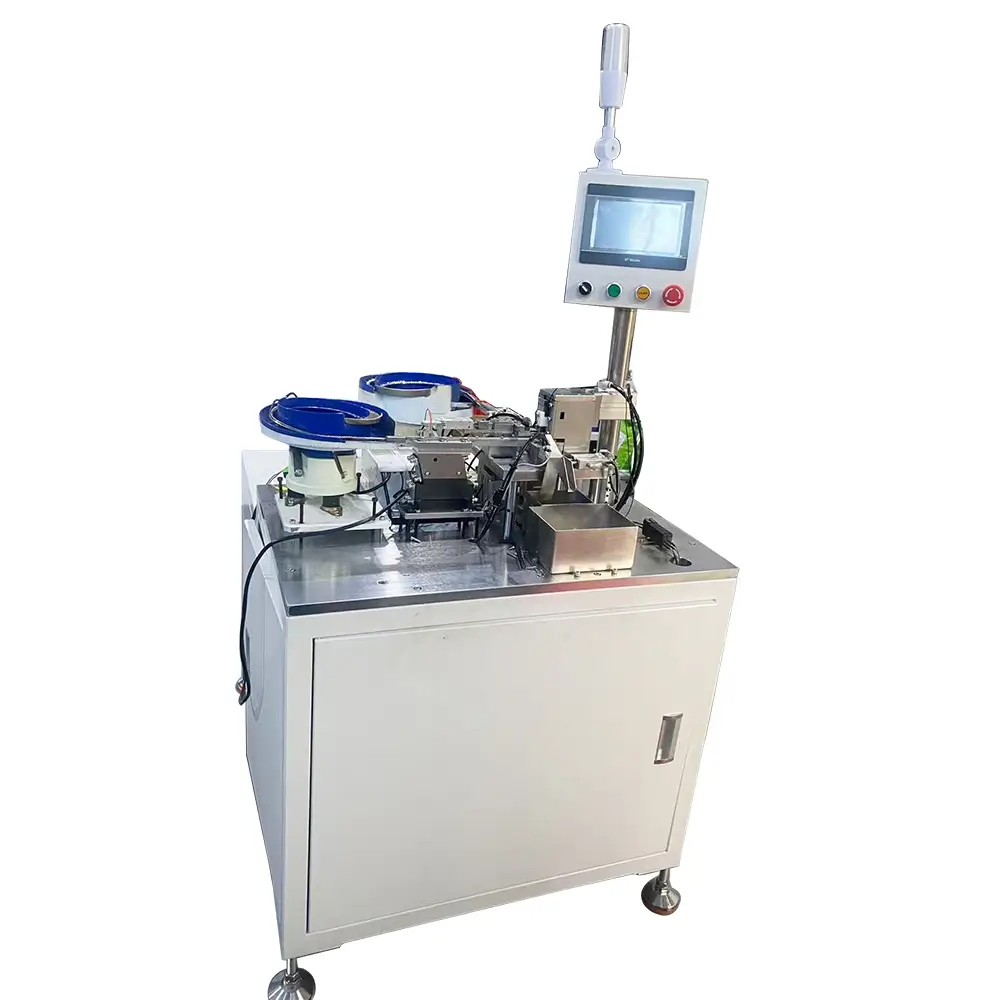
Small parts assembly machines help manufacturers automate repetitive assembly tasks. These machines can handle feeding, positioning, assembly, inspection, and other production steps. Machine prices vary because each production project has different requirements. Part size, assembly steps, production speed, feeding systems, and inspection functions can all affect the final cost. For this reason, suppliers usually quote […]
 Romanian
  English
  Spanish (Mexico)
  Czech
Czech  Arabic
  Russian
  German
  French
  Turkish
  Italian
  Ukrainian
  Polish
  Bengali
  Portuguese (Portugal)
  Thai
Thai  Japanese
  Korean
  Hebrew
  Uzbek
Uzbek  Hindi
Hindi  Slovak
  Vietnamese
  Portuguese (Brazil)
  Spanish (Peru)
  Spanish (Spain)
  Spanish (Venezuela)