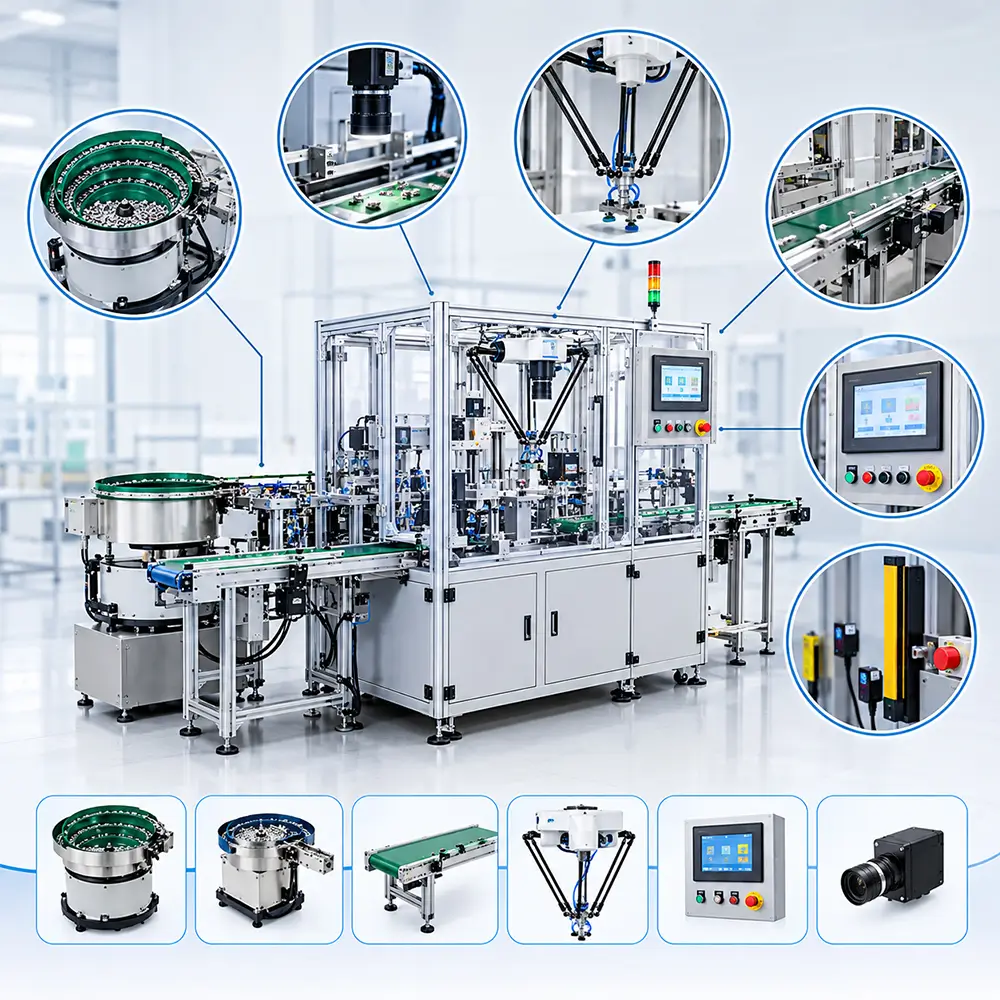
Modern automated assembly systems combine several machines and control technologies to complete production tasks with less manual work. Each component has a specific role in the production process.
For manufacturers, choosing the right components depends on product design, production volume, assembly steps, part size, and required accuracy.
Part Feeding System
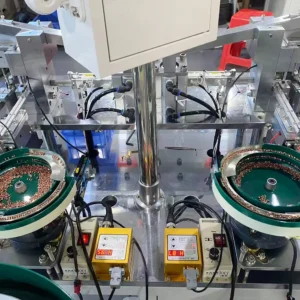
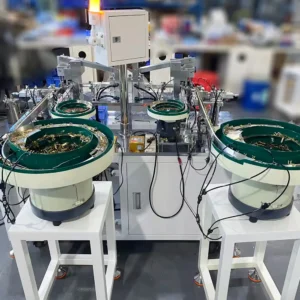
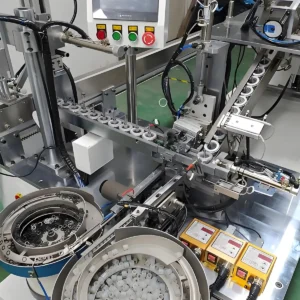
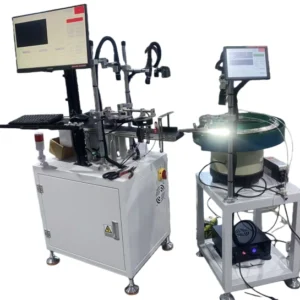
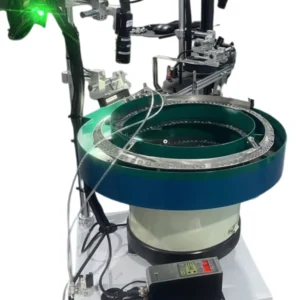
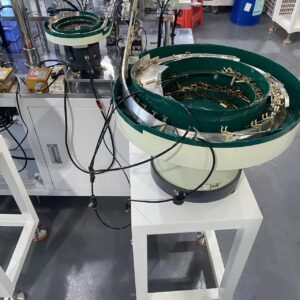
Part feeding is one of the first steps in an automated assembly process. The system supplies parts to the assembly machine in the correct position and direction.
Common feeding equipment includes:
- Alimentadores de tigela vibratória
- Alimentadores flexíveis
- Alimentadores de degraus
- Alimentadores centrífugos
- Hopper elevator conveyors
- Linear conveyors
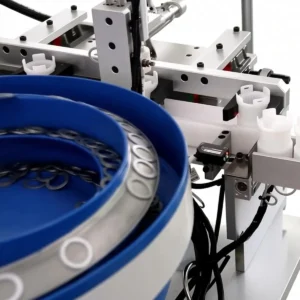
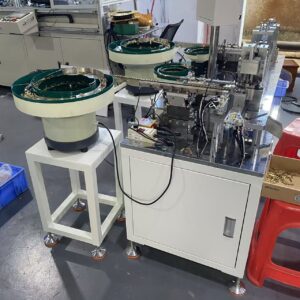
Alimentadores de tigela vibratória work well for many small and irregular parts. Flex feeders can handle parts that need flexible feeding and vision-based picking.
The feeder should match the part shape, size, weight, surface, and required feeding speed.
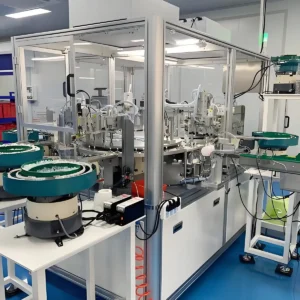
Automated Assembly Machine
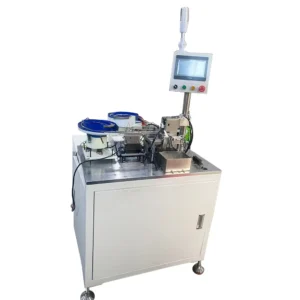
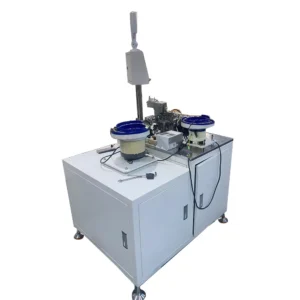
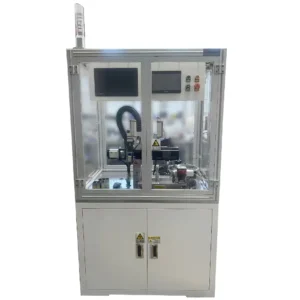
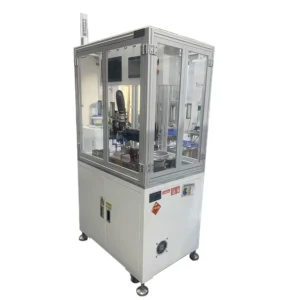
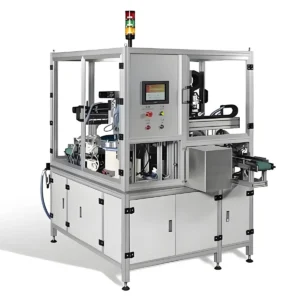
The assembly machine performs the main production operations. It can combine several mechanisms based on the product structure and assembly process.
Typical assembly operations include:
- Part insertion
- Press fitting
- Screw fastening
- Rebitagem
- Spring installation
- Gluing
- Welding
- Component positioning
Custom assembly machines can connect several operations into one production system. This approach can reduce manual handling and keep the production process consistent.
SWOER provides customized assembly automation based on customer product drawings and production requirements.
Vision Inspection System
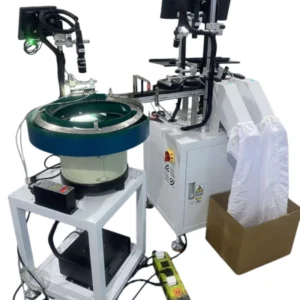
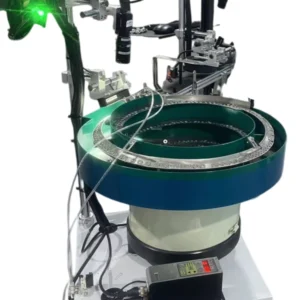
Vision inspection checks parts and assembled products during production. Cameras can identify defects, confirm part position, and check assembly results.
Typical inspection tasks include:
| Inspection Task | Purpose |
| Part presence | Check whether the required part is installed |
| Position check | Confirm correct component placement |
| Size inspection | Check dimensions or product features |
| Surface inspection | Detect visible defects |
| Orientation check | Confirm correct part direction |
| Final inspection | Check the completed assembly |
Vision inspection can also connect with a feeder system. The feeder supplies parts, while the camera checks each part before the assembly process.
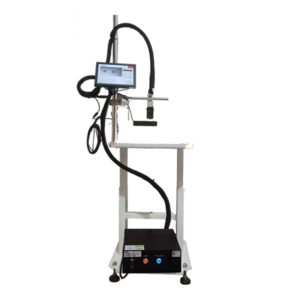
Robot and Pick-and-Place System
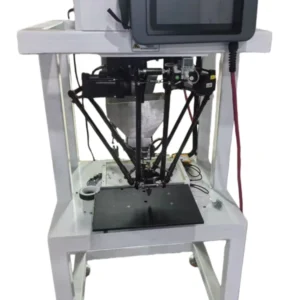
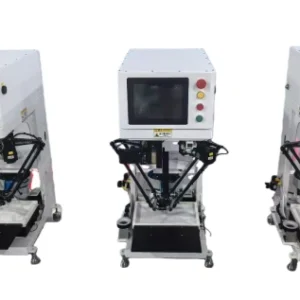
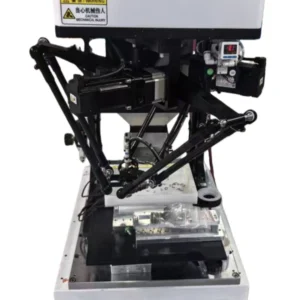
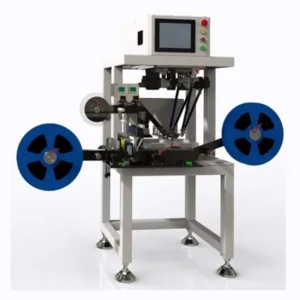
Robots move components between different stations in an automated assembly system.
Common robot types include:
- Delta robots
- SCARA robots
- Cartesian robots
- 4-axis robots
- 5-axis robots
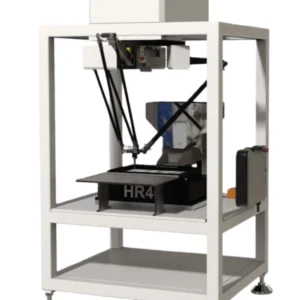
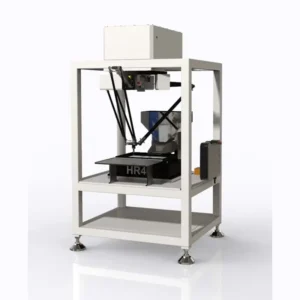
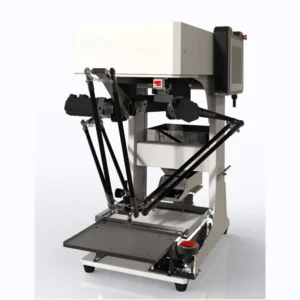
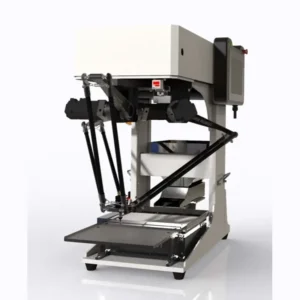
Delta robots work well for high-speed pick-and-place applications. SCARA robots suit many assembly and positioning tasks.
Robot selection depends on payload, working range, cycle time, product size, and required repeatability.
Conveyor and Material Handling System
Conveyors connect different stations and keep products moving through the production line.
Material handling systems can include:
- Belt conveyors
- Linear conveyors
- Hopper elevators
- Transfer mechanisms
- Product positioning units
- Collection systems
Proper material handling reduces unnecessary manual movement between processes.
Sistema de controle
The control system coordinates the different components of the automated assembly system.
PLC controllers commonly manage:
- Feeder operation
- Sensors
- Motors
- Pneumatic cylinders
- Robôs
- Sistemas de visão
- Safety devices
- Assembly sequences
Touchscreens can also give operators access to production settings, alarms, and machine status.
Good control logic helps each station work together and makes troubleshooting easier.
Sensors and Safety Components
Sensors provide real-time information during production. They can detect part presence, position, movement, and machine status.
Common components include:
- Photoelectric sensors
- Proximity sensors
- Pressure sensors
- Position sensors
- Safety switches
- Emergency stop devices
Safety components protect operators and help prevent equipment damage during abnormal conditions.
How These Components Work Together
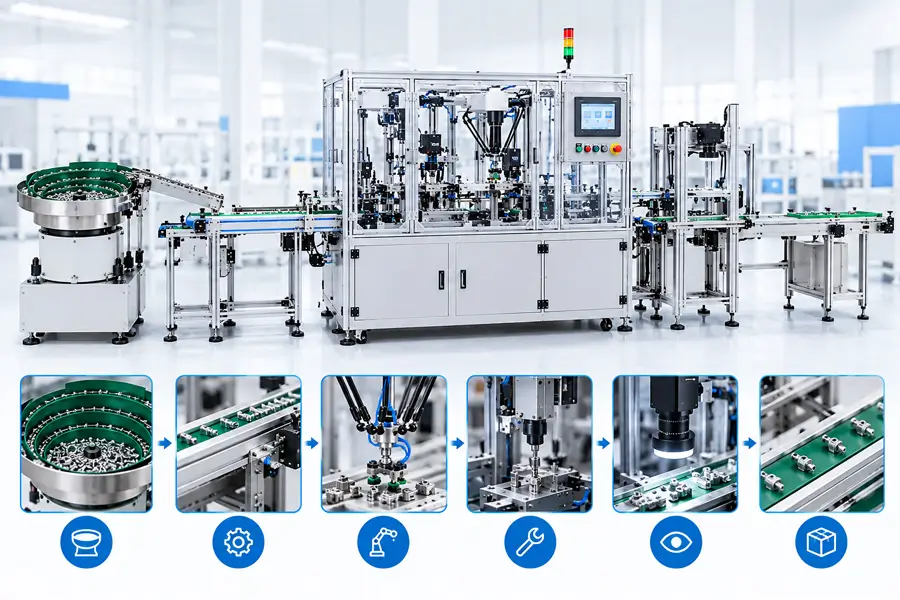
An automated assembly system usually follows a connected production process:
Part loading → Feeding → Orientation → Inspection → Pick and place → Assembly → Testing → Final inspection → Product output
For example, a vibratory bowl feeder can supply connectors to an assembly station. A vision system checks their orientation. A robot then picks the connectors and places them into the product.
Different products require different combinations of equipment. Some systems may only need feeding and assembly. More complex production lines may include feeding, vision inspection, robots, testing, packaging, and data collection.
How to Choose the Right Components
Manufacturers should review several factors before designing an automated assembly system.
Product structure:
Check the product size, material, shape, and assembly method.
Production volume:
High-volume production may require high-speed feeders and robots.
Assembly process:
List every assembly operation and decide which operations need automation.
Quality requirements:
Determine whether vision inspection or testing equipment is necessary.
Available space:
Consider machine dimensions, operator access, material loading, and maintenance space.
Future production needs:
Leave room for additional stations or process changes when possible.
Build a Custom Automated Assembly System
Standard equipment may not fit every product or production process. Custom automation can combine feeding, assembly, inspection, robots, conveyors, and control systems into one production line.
SWOER can design customized assembly machines according to customer product drawings and production requirements. The process can cover 3D machine design, customer confirmation, production, shipping, and installation guidance.
If you are planning a new automated assembly project, providing product drawings, assembly steps, target production capacity, and cycle time requirements can help determine the right system configuration.
Need Help Choosing the Right Assembly System?
Send your product drawings and production requirements to SWOER. We can recommend a suitable feeding and assembly solution for your project.
Get a Custom Assembly Solution
 Portuguese (Portugal)
  English
  Spanish (Mexico)
  Czech
Czech  Arabic
  Russian
  German
  French
  Turkish
  Italian
  Ukrainian
  Polish
  Romanian
  Bengali
  Thai
Thai  Japanese
  Korean
  Hebrew
  Uzbek
Uzbek  Hindi
Hindi  Slovak
  Vietnamese
  Portuguese (Brazil)
  Spanish (Peru)
  Spanish (Spain)
  Spanish (Venezuela)