
The term “machine base” can refer to different components depending on the equipment. Below are the advantages for two common applications: vibratory bowl feeder bases (drive units) and machine tool bases (support foundations). I. Advantages of a Vibratory Bowl Base (Drive Unit) The base of a vibratory bowl feeder is the core drive unit that generates vibration. Its […]
Archivos del autor: 张
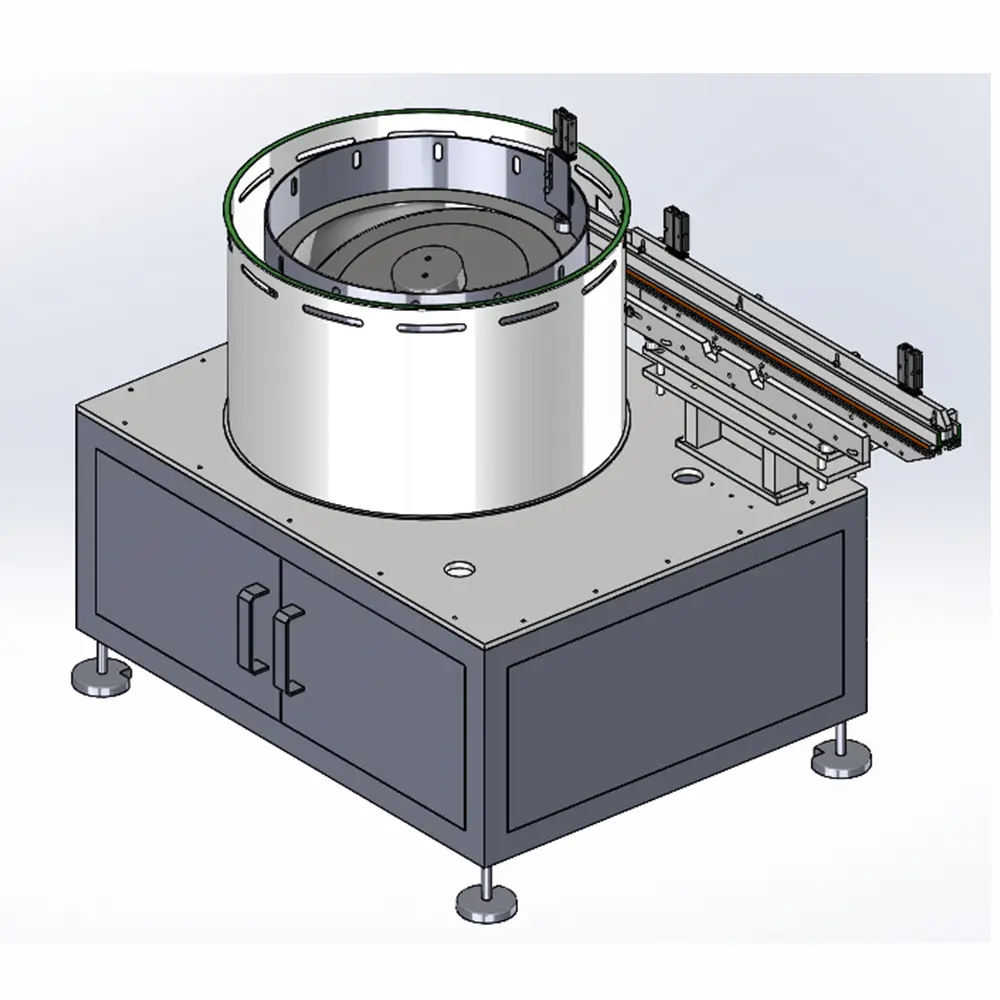
A vibratory bowl feeder is a versatile automation component that can be integrated with a wide range of machines to form complete automated production systems. Below are the primary categories of machines that commonly work with vibratory bowls: I. Assembly Machines Vibratory bowls are most frequently paired with various types of assembly equipment: Automatic Screwdriving […]
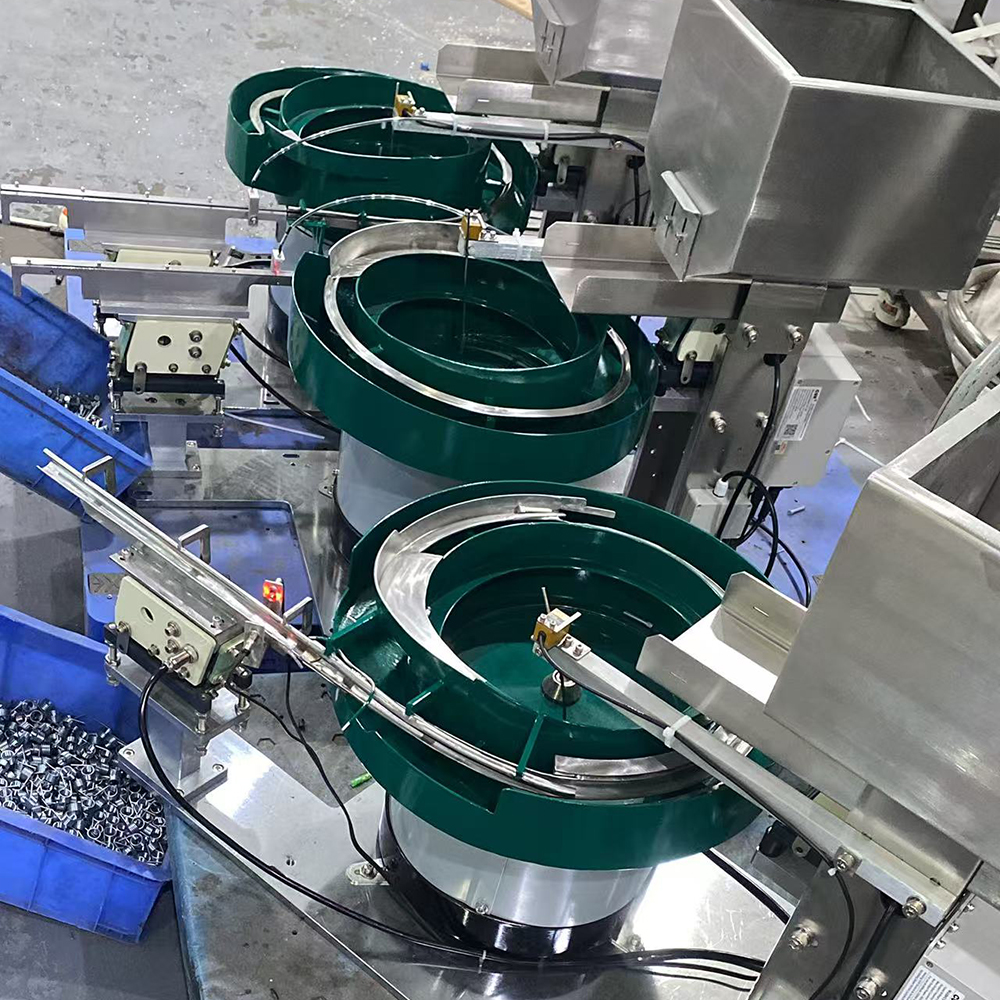
Small parts assembly needs precision and speed. Therefore, many factories use vibratory bowl feeders. These systems sort and orient components automatically. However, selecting the right feeder can be challenging. Many factors influence performance. This guide explains how to choose the right vibratory bowl feeder. In addition, it highlights how Swoer solutions support modern automation. Understand […]
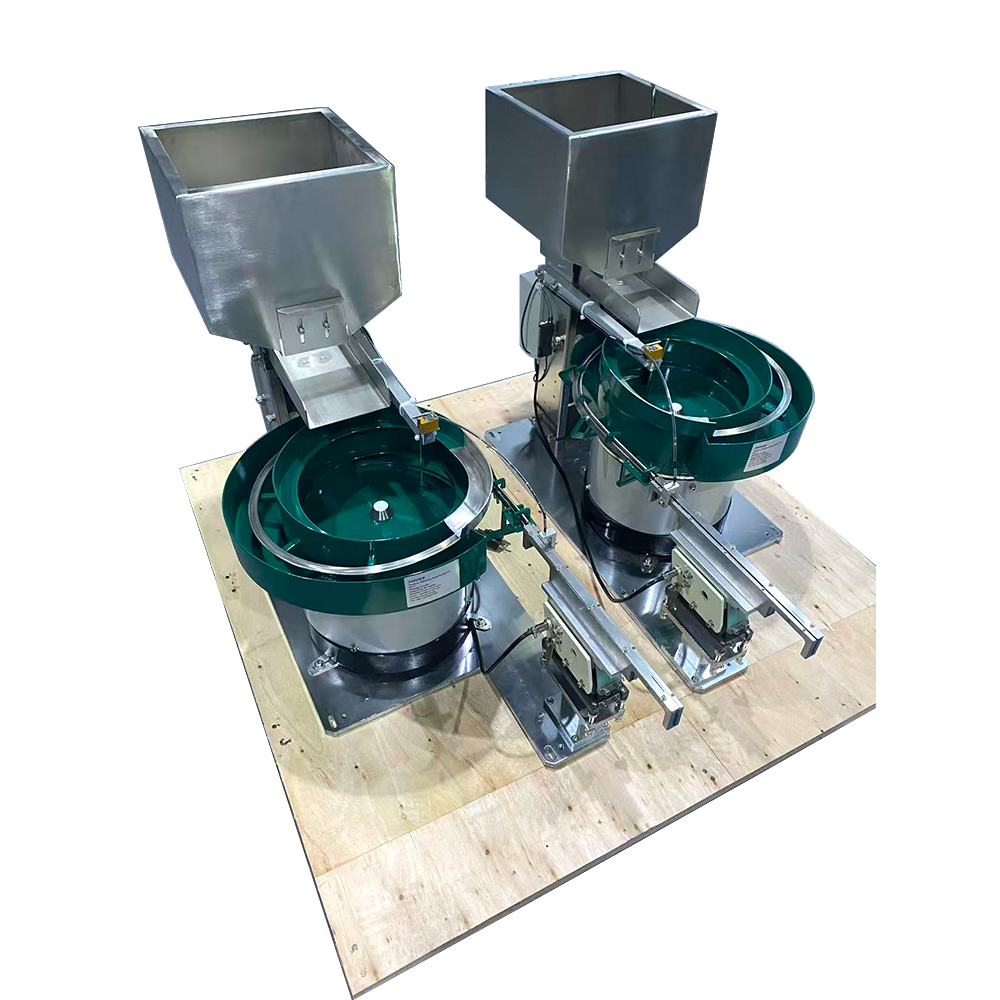
Main Uses of a Vibratory Bowl Feeder Part Orientation Many production lines need correctly positioned parts. For example, screws must face the same direction. Therefore, the feeder sorts and aligns them. Consequently, machines work faster and more accurately. Automated Feeding Factories must supply parts continuously. However, manual feeding slows production. Thus, vibratory feeders deliver parts […]
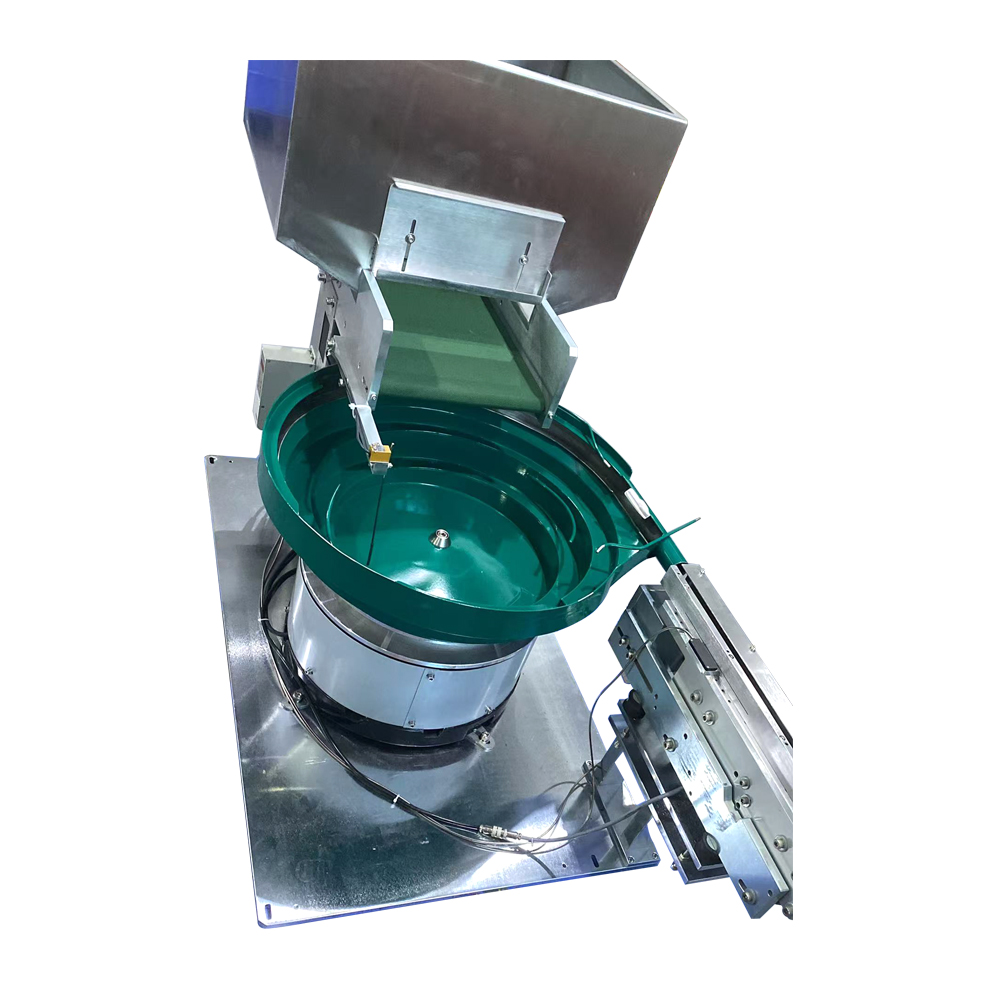
Flex Feeders and Robot-Integrated Machine: Flexible Feeders with Flex Feeders & Robot-Integrated Systems are ideal for industries like electronics, automotive, and manufacturing. These systems handle a variety of parts with precision and reliability. Moreover, their modular design ensures quick setup and minimal maintenance. By integrating with robots, they can automate tasks such as sorting, picking, […]
An optical inspection machine is a sophisticated system integrating optics, mechanics, electronics, and software. Its main components can be categorized as follows: I. Imaging & Optics Module Industrial Camera: The core sensor (typically area scan or line scan CCD/CMOS). Industrial Lens: Determines field of view, working distance, and magnification. Lighting System: Critical for highlighting features. […]
I. Articulated Robots Structure: Multiple rotary joints (typically 6 axes), resembling a human arm. Characteristics: High flexibility, large workspace, ability to reach around obstacles. Applicable Machines/Machinery: Welding Machines: Spot welding, arc welding cells. Painting Booths: Automated spray painting systems. Machine Tools: CNC machine tending for milling, turning centers. Assembly Lines: Complex assembly stations (e.g., automotive […]
Spider robots (high-speed parallel robots) are renowned for their exceptional speed and acceleration, making them the ideal choice for high-speed pick-and-place applications. I. Typical Speed Range Performance Metric Typical Value Standard Pick-and-Place Cycle 0.3 to 0.5 seconds per cycle (including picking, moving, and placing) Maximum Pick Rate Up to 200 picks per minute or more, depending on […]
Industrial manipulators and robotic arms can be classified according to their mechanical structure, kinematic configuration, and application. The main types include: I. Classified by Mechanical Structure Articulated Robots Description: Features rotary joints (like a human arm), typically with 4-6 or more axes of motion. Characteristics: High flexibility, large workspace, ability to reach around obstacles. Applications: […]
 Spanish (Peru)
  English
  Spanish (Mexico)
  Czech
Czech  Arabic
  Russian
  German
  French
  Turkish
  Italian
  Ukrainian
  Polish
  Romanian
  Bengali
  Portuguese (Portugal)
  Thai
Thai  Japanese
  Korean
  Hebrew
  Uzbek
Uzbek  Hindi
Hindi  Slovak
  Vietnamese
  Portuguese (Brazil)
  Spanish (Spain)
  Spanish (Venezuela)