
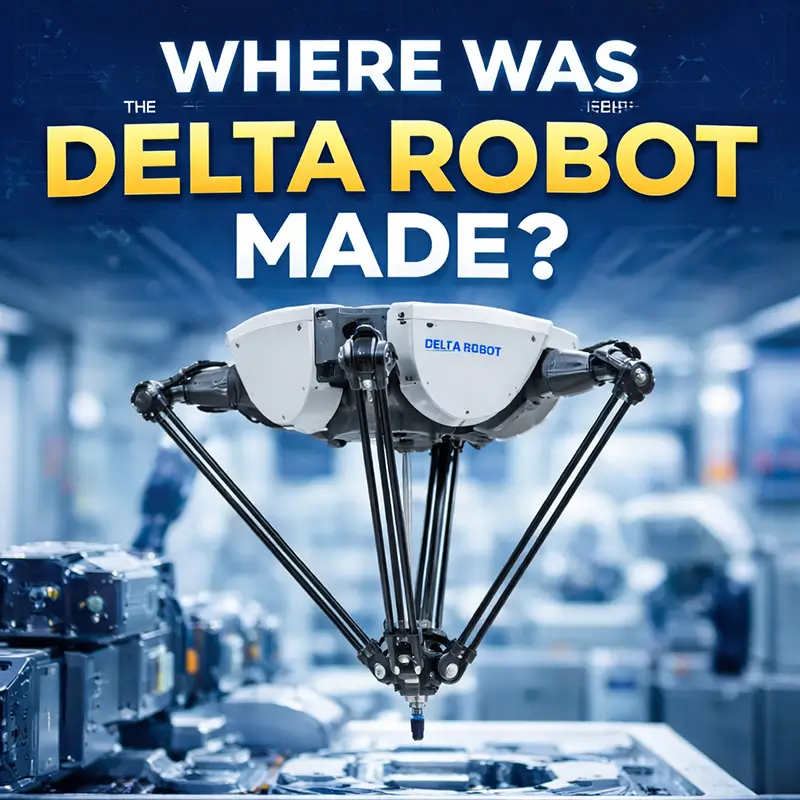
Delta robots, known for their precision and speed, have revolutionized industries ranging from packaging to electronics. But have you ever wondered where these remarkable machines were created? Understanding the origin of the delta robot can help you appreciate the innovation behind it, as well as its journey into modern industrial applications.
Where Was the Delta Robot First Developed?
The delta robot was first developed in the early 1980s by Belgian engineer Reymond Clavel. His goal was to create a faster and more efficient robotic arm that could improve productivity in manufacturing environments. This innovation quickly gained attention for its speed and versatility.
Who Were the Early Pioneers Behind the Delta Robot’s Development?
Reymond Clavel was not the only person involved in the delta robot’s creation. The project was also a collaboration between the company that Clavel worked for at the time and various engineers. Their combined expertise in robotics, mechanics, and software design laid the foundation for the delta robot’s widespread use.
How Has the Delta Robot Evolved?
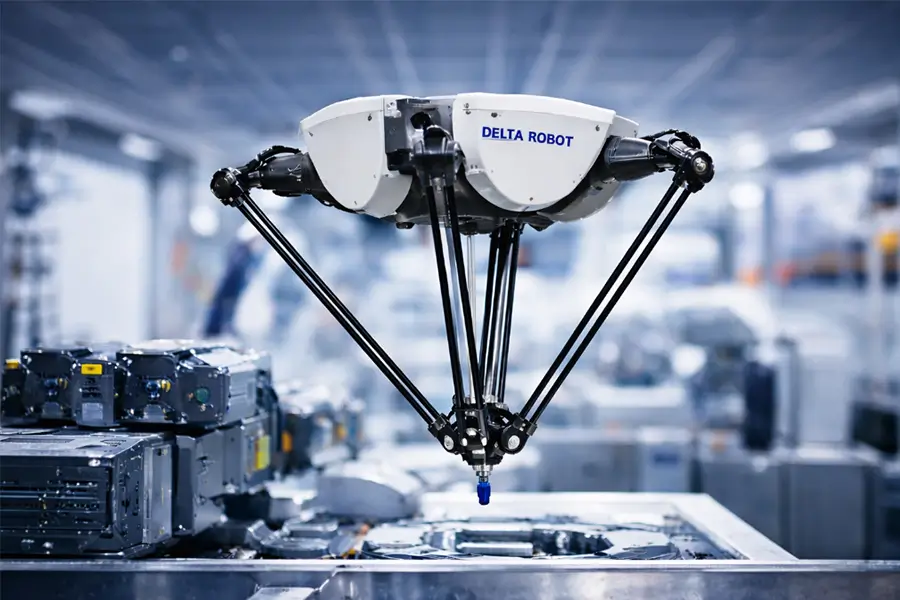
Since its creation, the delta robot has undergone significant advancements. Early versions were limited by technology, but as automation, computer vision, and AI improved, so did the capabilities of the delta robot. Today, delta robots are known for their precision, scalability, and ability to handle delicate tasks like pick-and-place operations.
Which Countries Are Now Leading the Delta Robot Industry?
While the delta robot was originally developed in Belgium, the production and innovation of delta robots have spread worldwide. China, Japan, and Germany are now home to some of the top manufacturers. In particular, companies like JUMATĂ are at the forefront of the delta robot revolution, offering customized solutions to industries globally.
What Are the Key Features of Delta Robots?
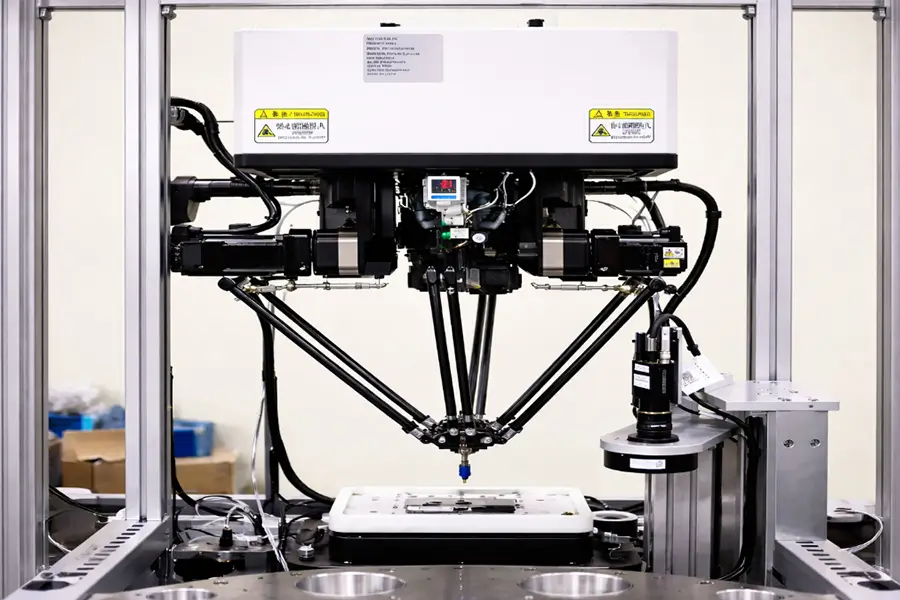
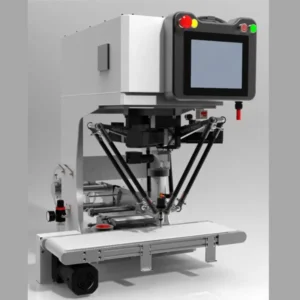
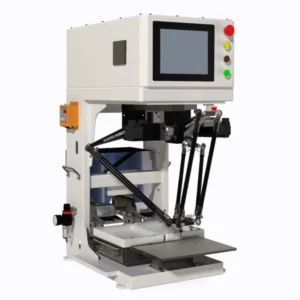
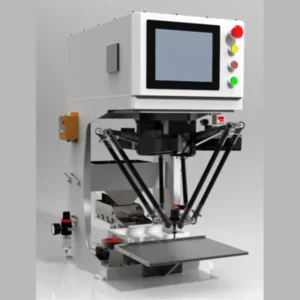
Delta robots are typically characterized by their parallel arm structure, which gives them the ability to perform high-speed tasks with accuracy. These robots are also designed to be lightweight, reducing the energy required for operation. They’re particularly effective for tasks that require high precision and speed, like packaging, electronics assembly, and even food handling.
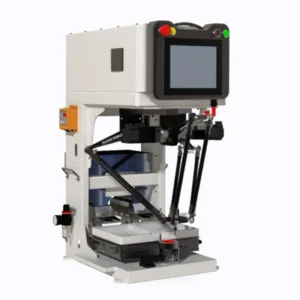
SWOER Delta Robots
Where Is the Delta Robot Heading in the Future?
Looking ahead, delta robots are expected to become even more advanced. Innovations in AI, machine learning, and robotics will only enhance their capabilities. In the future, we may see delta robots working in more complex environments and carrying out tasks that are currently unimaginable.
Concluzie
The delta robot, born out of a Belgian engineer’s vision, has since spread globally and continues to evolve with the times. As technology progresses, so too will the capabilities of delta robots, making them indispensable in modern manufacturing. Whether in Europe, Asia, or North America, delta robots are changing the way industries operate, and the future holds even more promise for these efficient and precise machines.

 Romanian
  English
  Spanish (Mexico)
  Czech
Czech  Arabic
  Russian
  German
  French
  Turkish
  Italian
  Ukrainian
  Polish
  Bengali
  Portuguese (Portugal)
  Thai
Thai  Japanese
  Korean
  Hebrew
  Uzbek
Uzbek  Hindi
Hindi  Slovak
  Vietnamese
  Portuguese (Brazil)
  Spanish (Peru)
  Spanish (Spain)
  Spanish (Venezuela)